This 20-Minute Creamy Tomato Pasta Is What to Make When the Fridge Looks Empty
Some dinners demand planning, shopping bags, and the confidence of a person who knows exactly where the fine-mesh strainer lives. This creamy tomato pasta is not one of them. It is the sort of fast, comforting meal that can come together while the pasta water boils, using a can of tomatoes or tomato paste, butter or cream, garlic, cheese, and whatever pasta is already waiting in the pantry.
The real magic is not a secret ingredient so much as a smart technique: reserve pasta water, build flavor in the skillet, and toss everything together until the sauce turns glossy and clings to every noodle. It is rich enough to feel like a proper dinner, but relaxed enough for the kind of night when the only plan was to figure something out.
The Pantry Pasta Formula That Actually Works
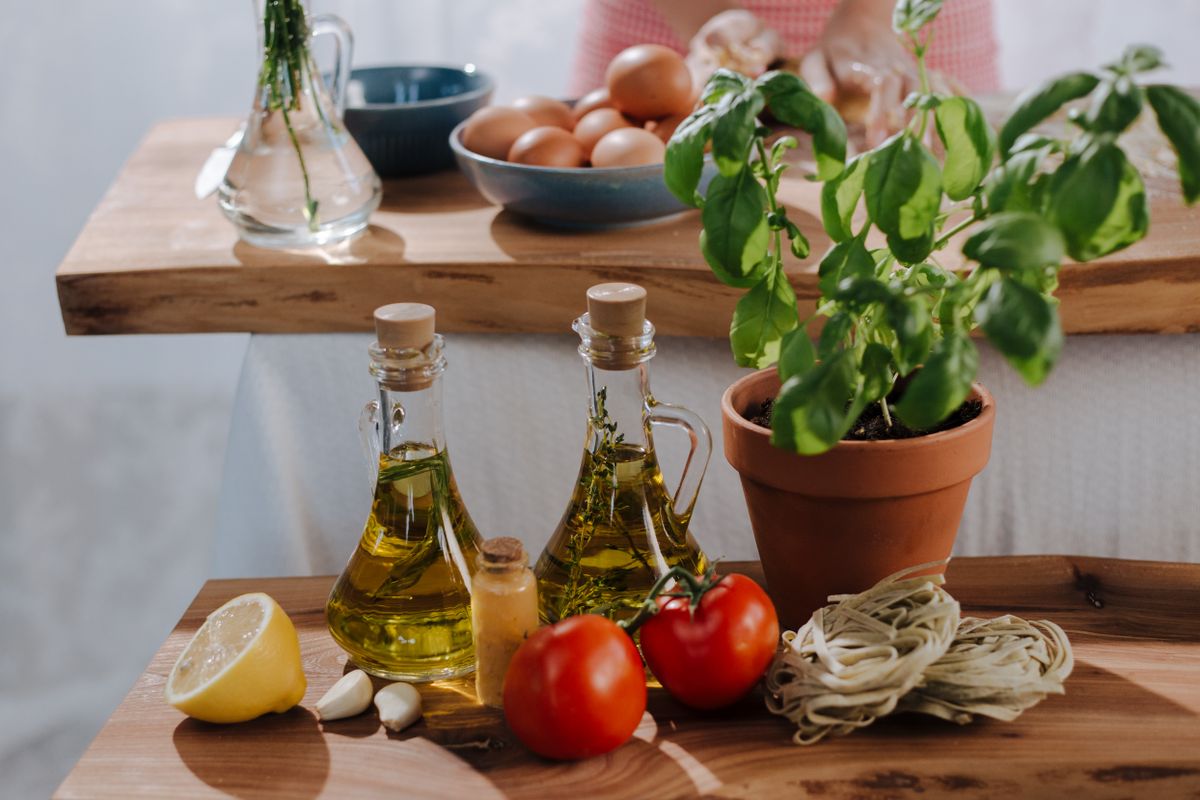
Creamy tomato pasta can take plenty of forms. Some versions use canned whole tomatoes, others rely on tomato paste, and some use jarred marinara as a shortcut. What connects them is a tomato base enriched with dairy or fat, then finished with starchy pasta water and plenty of tossing. That final step turns a skillet of ingredients into a cohesive sauce that feels more restaurant-minded than pantry-driven.
Chris Morocco, Bon Appétit’s food director, describes good pantry pasta as “simple, streamlined, and flexible,” with sauces that come together in the time it takes to boil water and cook pasta. He recommends starting with ingredients already full of flavor, including garlic, chile flakes, black pepper, tomato paste, butter, cream, Parmesan, capers, olives, anchovies, mushrooms, or cured meat.
For the easiest creamy tomato version, start a pot of well-salted water and cook about 12 ounces of short pasta, such as rigatoni, penne, shells, or fusilli. While that happens, warm olive oil or butter in a large skillet over medium heat, add sliced garlic, and cook it until it softens and just begins to turn pale gold. Add tomato paste and cook it in the fat until it darkens slightly and sizzles, which Morocco says helps it “reach a deep flavor and release all [it has] to give.”
That is the first important distinction between a sauce that tastes rushed and one that tastes intentional. Tomato paste is concentrated, but it still benefits from a few minutes in a hot pan. Don’t scorch it, but let it cook long enough to lose its raw, tinny edge. If you have crushed or whole canned tomatoes instead, simmer them until they become saucy and concentrated before moving to the creamy part.
Then comes your choice of richness. A splash of heavy cream gives the sauce a direct, velvety finish, while cold butter and Parmesan create creaminess through emulsification. Use one or both, depending on what is in the refrigerator. Food & Wine’s creamy rigatoni uses canned tomatoes, butter, heavy cream, onion, and Parmesan, proving that a short ingredient list can still create a sauce that feels full and luxurious.
Pasta Water Is Doing More Than You Think
Before draining the pasta, scoop out at least a cup of the cooking water. This small step makes the entire dinner work. Food & Wine’s Test Kitchen explains that the starches in reserved pasta water help thicken and emulsify sauce, allowing it to cling to the pasta rather than pool at the bottom of the bowl.
That is why you should not simply pour cream into a skillet of tomato sauce and call it a night. It may taste good, but it will not necessarily coat the pasta properly. Pasta water helps loosen the sauce while bringing the fat, cheese, and tomato together. Add it gradually because every pasta shape, sauce base, and stovetop behaves a little differently.
Morocco’s method calls for adding very al dente pasta directly to the skillet with roughly one cup of pasta water, then cooking and tossing it over medium-high heat. Add cold butter in pieces and grated Parmesan, then keep the pasta moving until the sauce coats every piece. “Motion is key,” he writes, whether you toss the skillet or stir vigorously.
This is not just a theatrical excuse to wave tongs around while pretending you are on a cooking show. Tossing keeps the sauce in contact with the pasta and helps the butter, cheese, pasta water, and tomato base form one glossy mixture. The sauce should look slightly looser than you expect when it is still in the pan, because the pasta keeps absorbing liquid as it sits.
If it becomes too thick, add another splash of pasta water. If it seems too loose, keep tossing it over the heat for another minute or two. The goal is not a precise formula down to the tablespoon. The goal is pasta that looks coated, not drenched, with enough sauce left to make the last few bites worth chasing around the bowl with a piece of bread.
Related:6 Cheap Frozen and Canned Foods That Can Be as Healthy as Fresh Produce
Make It Creamy, Then Make It Yours
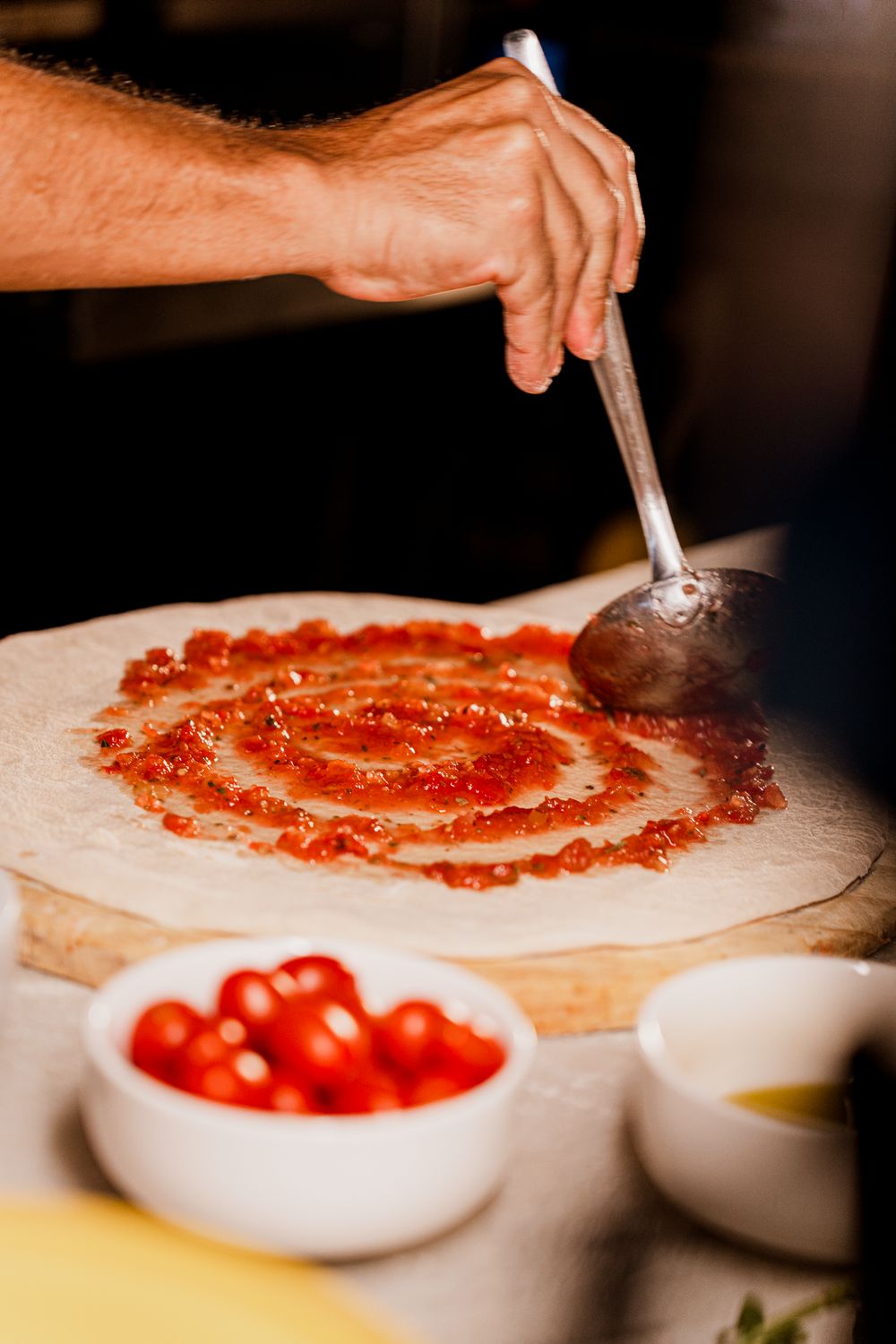
A basic 20-minute bowl can be as simple as pasta, garlic, tomato paste, butter, Parmesan, and a splash of pasta water. If you have cream, add a small pour after the tomato paste has cooked and let it warm through before tossing in the pasta. If you do not have cream, lean into butter and cheese instead. You will still get a soft, rich sauce without making a special grocery trip.
Short, ridged pasta is particularly useful here because it catches sauce inside and outside every piece. Food & Wine notes that rigatoni’s larger opening and ridged surface make it particularly well suited to saucy dishes. Penne, cavatappi, shells, or even elbow macaroni can work, too, so use what you have rather than treating pasta shape like a high-stakes personality test.
A few easy additions can shift the dish without complicating it. Red pepper flakes bring heat. A handful of frozen peas can go in near the end after thawing in hot water. Spinach or other tender greens can wilt directly into the sauce. If you have basil, parsley, chives, or mint, add them at the end for freshness. Morocco also suggests that ingredients such as capers, olives, anchovies, mushrooms, and cured meats are especially useful in pantry pasta because they bring concentrated flavor quickly.
This is also a smart way to use small amounts of leftovers. A few spoonfuls of ricotta can make the sauce softer and more luxurious. Warm leftover chicken or sausage in the skillet before adding the sauce. Fold in roasted vegetables at the end. Even a nearly empty jar of marinara can become dinner when you expand it with a little butter, pasta water, and Parmesan.
The Bottom Line: A creamy tomato pasta does not need a long ingredient list or a pot of sauce simmering all afternoon. Cook your tomato base long enough to deepen its flavor, save your pasta water, and toss the pasta directly in the skillet with butter, cream, or cheese until the sauce turns glossy. Twenty minutes later, you have the kind of dinner that makes a nearly empty kitchen feel like a very good idea.
Other post you might like: