Trump cancels bipartisan housing bill signing as affordability crisis collides with election fight
We are watching a strange scene unfold in Washington. A bipartisan housing bill that cleared Congress by overwhelming margins was supposed to become a rare victory lap on one of America’s most painful kitchen-table issues.
Instead, President Donald Trump abruptly canceled the planned signing ceremony, turning a housing affordability moment into a fight over election law.
The bill, known as the 21st Century ROAD to Housing Act, had passed the Senate 85-5 and the House 358-32. In a Congress where even basic spending fights can turn into political warfare, those numbers matter.
They show that Republicans and Democrats understood the same basic pressure point: housing costs are squeezing Americans from nearly every direction.
Then the ceremony was called off. Trump said the signing would not happen until Congress passes the SAVE America Act, a separate election bill backed by the White House.
That bill would require voter ID before registration, proof of citizenship, and would sharply limit mail-in ballots except in specific cases such as illness, disability, military service, or travel.
That is why this story matters beyond one canceled event. We are not simply looking at a scheduling change. We are looking at a rare bipartisan housing package getting pulled into a broader power struggle over voting rules, Senate procedure, and Trump’s leverage over his own party.
What the canceled signing ceremony was supposed to celebrate
The 21st Century ROAD to Housing Act was designed as a supply-focused housing reform package. It would not magically lower rent next month or make a 6 percent mortgage feel cheap. But it was built around a clear idea: America cannot solve high housing costs without making it easier to build, finance, and preserve more homes.
The bill includes measures to speed up certain housing development reviews, reduce some federal regulatory barriers, and support local efforts to identify land and zoning obstacles.
It also includes provisions connected to manufactured housing, small-dollar mortgages, housing counseling, public land databases, and community development tools.
One of the most politically explosive pieces is its attempt to curb large institutional investors from buying up single-family homes.
That provision speaks directly to a frustration many buyers feel in hot markets: families believe they are competing not just with other families, but with firms that can move faster, pay cash, and treat starter homes as assets on a spreadsheet.
This is why lawmakers from both parties wanted to claim the bill. Republicans could point to deregulation, supply growth, and limits on Wall Street-style home buying.
Democrats could point to affordability, housing counseling, public accountability, and protections for communities. The package was not everything either side wanted, but it was enough for both sides to vote yes.
Why Trump tied housing to the SAVE America Act

Trump’s move shifts the story’s center from housing policy to political leverage. By canceling the signing, he made clear that the SAVE America Act is a priority he wants Congress to treat as urgent.
The White House describes the SAVE America Act as an election integrity bill. Its core provisions would require a valid ID before registering to vote in federal elections, documentary proof of citizenship, and major restrictions on mail-in voting.
Supporters argue that these rules are necessary to protect federal elections and ensure that only citizens vote.
Opponents argue that the bill could create new barriers for eligible voters, especially those who lack easy access to passports, birth certificates, or up-to-date identity documents.
Critics also say the bill addresses a problem that the existing law already covers, since noncitizens are already prohibited from voting in federal elections.
The housing bill, in other words, became leverage in a much larger fight. Trump did not merely delay a policy win. He connected a broadly supported housing measure to a far more divisive election proposal.
The housing crisis makes the delay harder to ignore
The timing is politically dangerous because the housing crisis is not abstract. The U.S. housing supply gap widened to about 4.03 million homes in 2025.
That kind of shortage does not remain confined to economic reports. It shows up in bidding wars, long commutes, delayed marriages, families doubling up, and young adults staying at home because moving out feels financially impossible.
For renters, the pressure has become a monthly test of survival. For buyers, the math can feel even harsher. A home that looked affordable in 2019 can look unreachable in 2026 once higher prices, elevated mortgage rates, insurance costs, property taxes, and maintenance are factored in.
That is the trap Washington is trying to solve. More supply can help over time, but supply reforms work slowly. Interest rates can cool demand, but they also make monthly payments heavier.
Local zoning rules can block density. Construction costs can kill projects. Labor shortages can slow delivery. A federal bill can help, but it cannot bulldoze every barrier at the city and county level.
Still, Congress managed to pass something. That is why the cancellation landed with such force. We are in a housing emergency, and one of the few bills with a real bipartisan path suddenly became part of an unrelated election dispute.
What is actually inside the 21st Century ROAD to Housing Act
The bill is not a simple rent-cutting order. It is a layered housing package built around many smaller reforms.
Some provisions focus on construction rules. The Senate Banking Committee’s section-by-section summary says the bill would allow HUD to establish federal guidelines for point-access block buildings, which are apartment buildings using a single internal stairway under certain conditions.
Supporters of this idea argue that it can make smaller apartment buildings easier and cheaper to build where local safety rules allow.
Other provisions focus on infill development. Infill housing usually means building on unused or underused land inside already developed areas.
That matters because many cities have land that could support more housing, but projects can stall under review burdens, local opposition, financing problems, or outdated rules.
The bill also calls for a publicly accessible database of undeveloped land owned by jurisdictions receiving Community Development Block Grant funds.
That may sound technical, but it raises a real policy question: if public land sits unused in high-cost communities, should it be easier to identify and convert some of it into housing?
The Wall Street landlord provision is the political lightning rod
The limit on large institutional investors buying single-family homes is one of the most headline-friendly parts of the bill. It may also become one of the most debated.
Supporters say homes should be for families, not large investors. They argue that when institutional buyers snap up single-family homes, they reduce available inventory, turn owner-occupied neighborhoods into rental portfolios, and make it harder for first-time buyers to compete.
Skeptics argue that institutional investors own only a fraction of the total U.S. single-family market and that zoning, supply shortages, rates, and construction costs are bigger drivers of affordability. They also warn that blunt restrictions could reduce rental supply in some places. Both sides can point to real concerns.
Institutional buying is not the whole of the housing crisis, but it is a symbol that voters understand instantly. In a market where families already feel outmatched, the idea of corporate buyers competing for the same homes hits a nerve.
That is why this provision gives the bill political power. It translates a complex affordability debate into a simple question: who should get the first shot at America’s starter homes?
Why Republicans face an awkward political squeeze
This moment is uncomfortable for Republicans because many of them supported the housing bill and wanted to sell it as proof they were taking affordability seriously.
House Republicans had been promoting the bill’s supply-side reforms. Senate Republicans had helped push it through with a huge vote.
The package aligned with several conservative themes: cutting red tape, encouraging construction, helping local communities build, and restraining large investors in the single-family market.
What this means for renters, buyers, and local communities
For renters, the immediate impact is uncertainty. The bill would not have cut rent overnight, but delays in housing policy matter because supply reforms take years.
Every month spent fighting over process is another month when projects can stall, costs can rise, and local governments can wait for clearer federal rules.
For first-time buyers, the investor provision may be the most emotionally important part. Many buyers do not care about the technical language of federal housing law.
They care about whether more homes will be available and whether families will get a fairer shot when those homes hit the market.
For local governments, the bill’s provisions on public land and housing supply could matter. Communities need better tools to identify buildable land, modernize outdated rules, and decide where new housing can go without endless delay.
The political risk of calling housing “minor” in a high-cost America
Any suggestion that housing is a secondary issue carries real risk in 2026. Housing is not a niche policy area. It is the largest monthly expense for millions of households.
It shapes where people work, where children attend school, whether families build wealth, and whether young adults believe the American dream still belongs to them.
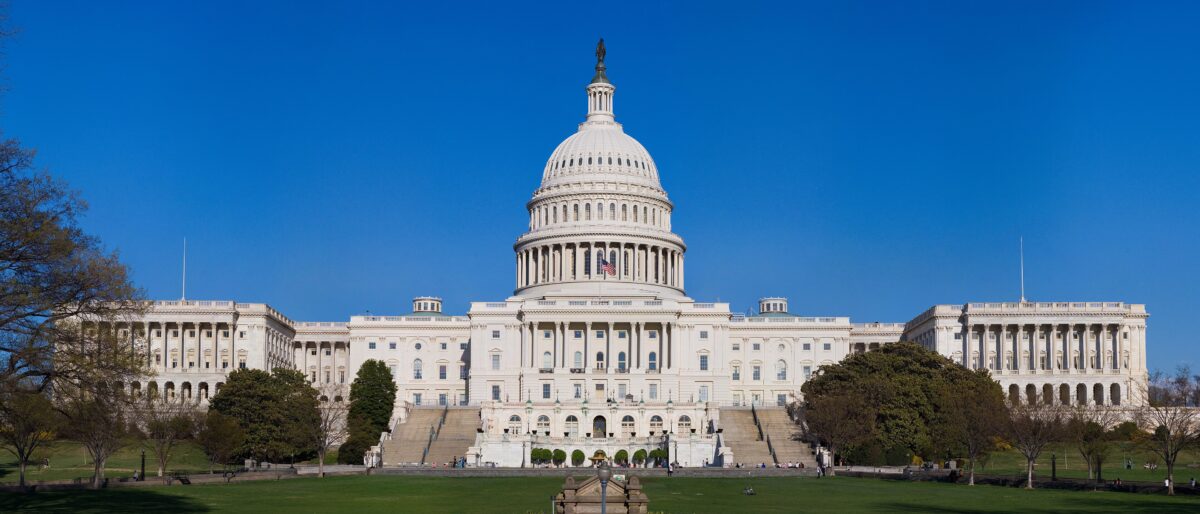
That is why the canceled signing ceremony could become more memorable than the bill itself. Images of a prepared Capitol event suddenly abandoned are politically powerful.
They create a simple story: Washington had a housing bill ready, then politics got in the way.
Trump’s supporters may see the move as hardball negotiation in the service of election integrity. Critics will see it as proof that affordability takes a back seat to partisan demands. Undecided voters may simply see dysfunction.
That middle group matters. They may not know every section of the ROAD to Housing Act. They may not know the procedural future of the SAVE America Act. But they know what rent costs. They know what a mortgage payment looks like. They know whether their adult children can afford to move out.