Trump Says Iran Ceasefire Is Over as New Strikes Put the Gulf on Edge
The fragile U.S.-Iran ceasefire is wobbling again, and this time the drama is not happening quietly in a diplomatic back room. It is playing out across the Strait of Hormuz, Gulf airspace, oil markets, military bases, and President Donald Trump’s social media feed.

The United States launched fresh airstrikes against Iran early Thursday, July 9, after Trump said recent Iranian attacks on ships in the Strait of Hormuz showed the ceasefire had effectively collapsed. Tehran fired back by targeting U.S.-allied countries in the region, including Bahrain, Kuwait, and Qatar, according to Associated Press reporting. The exchange has raised new fears that the interim deal meant to cool the war could now be sliding toward another dangerous round of escalation.
A Ceasefire That Looks Less Like a Ceasefire
The latest flare-up began after attacks on three commercial vessels moving through the Strait of Hormuz, the narrow waterway that remains one of the world’s most important energy routes. U.S. Central Command said American forces responded on July 7 by striking more than 80 targets in Iran, including air defense systems, command-and-control networks, coastal radar sites, anti-ship missile capabilities and more than 60 Islamic Revolutionary Guard Corps small boats. CENTCOM said the operation was an “immediate response” to Iran’s attacks on commercial vessels.
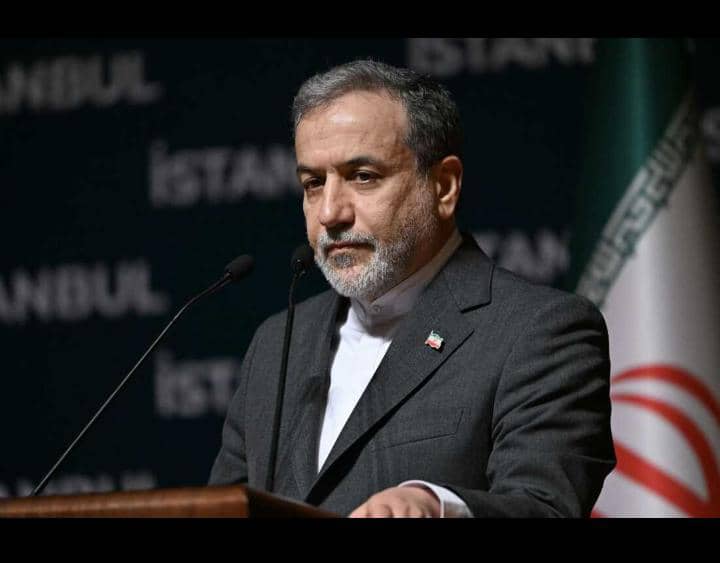
Trump then turned the volume up. After leaving a NATO summit in Turkey, he posted that the strikes were “retribution” for Iran’s bombing of ships and warned, “If it happens again, it will get much worse!” AP reported. Earlier, he had said the interim agreement was “over,” while also saying he would allow negotiations to continue, even as he suggested negotiators may be “wasting their time.”
That contradiction is part of what makes the moment so tense. Washington is saying the strikes are aimed at protecting freedom of navigation. Tehran is saying the U.S. broke the agreement first. And everyone else is watching the waterway like it is the world’s most expensive traffic jam.
Iranian Parliament Speaker Mohammad Bagher Qalibaf was blunt in a post cited by AP: “If you strike, you’ll get hit.” Iranian Deputy Foreign Minister Kazem Gharibabadi also pushed back, saying Trump’s remarks were “not a sign of power but an admission of the failure” of U.S. policy toward Iran.
Ships, Sirens, and Oil Prices
The military exchange quickly spilled beyond Iran’s borders. Sirens sounded in Bahrain, alerts were activated in Qatar and Kuwait, and Jordan also reported incoming fire from Iran. Kuwait said falling debris wounded one person after it intercepted missiles and drones. Bahrain said it shot down incoming fire, while Jordan said all incoming fire from Iran had been intercepted.

The Strait of Hormuz is why this story is bigger than a typical military back-and-forth. Reuters reported that oil tanker traffic through the strait was near a standstill Thursday, with only two tankers seen passing through in the early hours. Some vessels were reportedly switching off public tracking transponders, making it harder to know exactly who was moving and who was hiding.
Before the war began on February 28, the Strait of Hormuz handled about a fifth of global oil supplies, Reuters reported. In the past two weeks, traffic had improved to about 40 ships a day, but that was still far below the pre-conflict average of 125 to 140 daily sailings.
Jorge Leon, head of geopolitical analysis at Rystad Energy, summed up the mood sharply: “Tanker traffic through the Strait of Hormuz has essentially stopped, which tells you more about risk perception right now than any statement from Washington or Tehran.”
The International Maritime Organization also sounded the alarm. Its secretary-general, Arsenio Dominguez, condemned attacks on commercial ships and said nearly 6,000 seafarers remain stranded on vessels unable to safely leave the Persian Gulf. “No seafarer should have to risk their life simply for doing their job,” Dominguez said, calling for “maximum restraint” and urgent de-escalation.
The World Watches for the Next Move
This is where the story becomes both military and economic. U.S. strikes, Iranian retaliation, tanker slowdowns and nervous insurers all point in the same direction: the ceasefire may still exist on paper, but it is getting battered in real time.

NATO Secretary General Mark Rutte backed the U.S. response, calling the strikes “absolutely necessary” and saying Iran must never obtain nuclear capability. He also said a full reopening of the Strait of Hormuz was crucial for NATO allies.
European Union foreign affairs chief Kaja Kallas took a different kind of warning tone. She said the exchanges of fire were complicating talks to end the war and called Iran’s attacks on Bahrain and Kuwait “unacceptable.” She added that “freedom of navigation must be unimpeded.”
The human backdrop is just as heavy. AP reported that Iran was also preparing to lay late Supreme Leader Ayatollah Ali Khamenei to rest Thursday, after he was killed in the opening moments of the war. Thousands of mourners gathered around his coffin in Karbala, adding grief, anger and symbolism to an already explosive week.
For now, the big question is simple: Is this a final warning shot, or the beginning of something larger?
The answer depends on what happens next in the Strait of Hormuz. If attacks on shipping continue, Trump has already warned that the U.S. response will get worse. If the U.S. keeps striking Iranian targets, Tehran has promised more retaliation. And if tankers keep turning away from the world’s most sensitive energy chokepoint, the pain may not stay in the Gulf. It could show up in fuel prices, shipping costs, and household budgets far from the battlefield.
The ceasefire may not be officially dead. But after two days of fire, warnings, and rising fear, it certainly doesn’t look healthy.