Trump Sparks Debate With Warning: “You Cannot Be Both a Communist and a Patriot”
President Donald Trump arrived at Mount Rushmore to celebrate America’s 250th birthday. He left behind something closer to an ideological battle cry.
Speaking beneath the carved faces of George Washington, Thomas Jefferson, Theodore Roosevelt, and Abraham Lincoln on July 3, 2026, Trump warned that communism was gaining new ground inside the United States. Then he delivered the line that quickly traveled across social media:
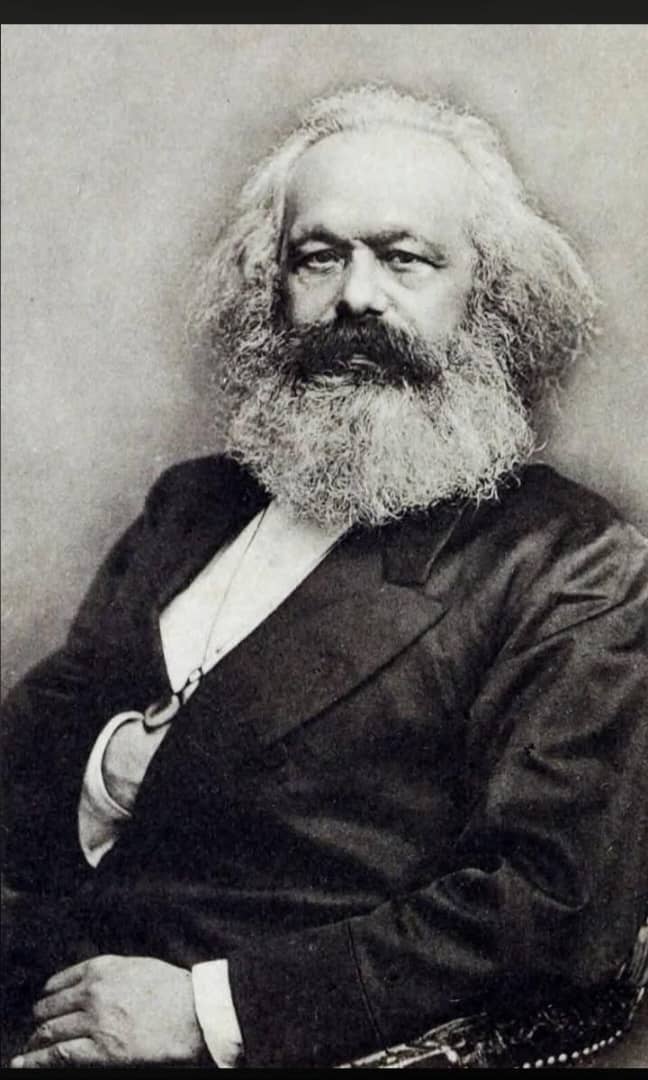
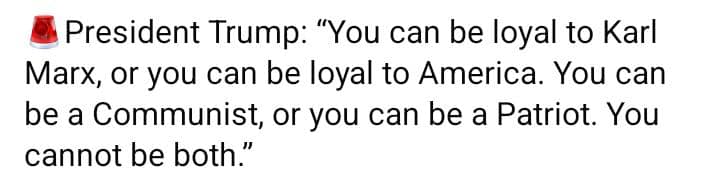
“You can be loyal to Karl Marx, or you can be loyal to America. You can be a communist, or you can be a patriot. You cannot be both.”
The comment was real, but it was not made in isolation. It came during a lengthy argument about immigration, American history, recent democratic-socialist election victories, and the upcoming midterm elections. Trump was not simply criticizing an economic philosophy. He was drawing a hard line around his definition of American loyalty.
America’s Birthday Celebration Becomes a Political Warning
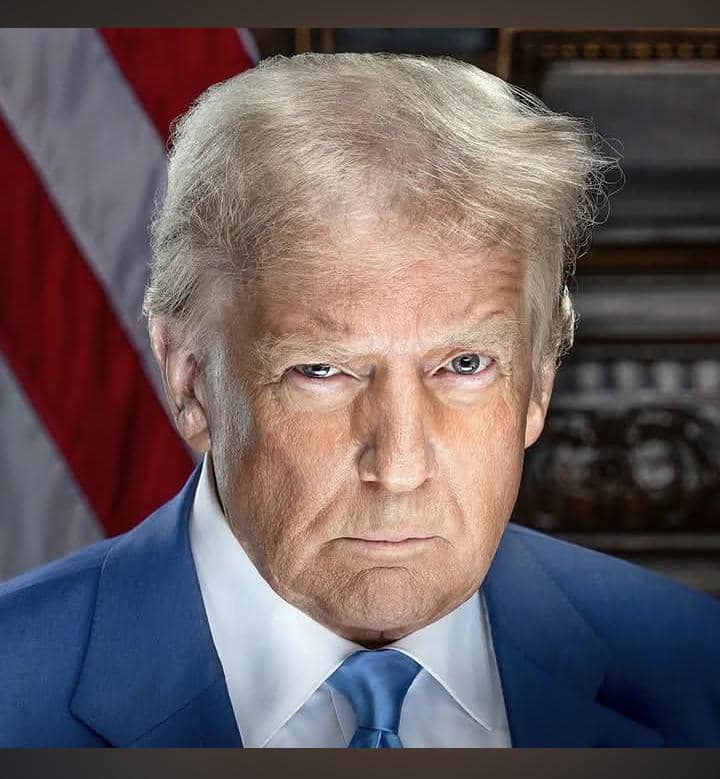
Trump began his Mount Rushmore speech by praising the country’s founders and celebrating what he described as America’s exceptional achievements. He said the nation should rededicate itself to becoming as “big, bold, noble” and great as the presidents whose faces towered above the event.
The celebratory mood did not last long.
Trump soon declared that American identity was under attack by what he called a renewed “communist menace.” He said the threat included newcomers who embraced ideas opposed to the country’s traditions and economic system. He also called communism a “mortal threat to American liberty.”
The president went even further, arguing that communism represented a greater danger than World War I, World War II, Pearl Harbor, and the September 11 attacks. That was Trump’s political assessment, not an independently established historical conclusion. Still, the comparison showed just how seriously he wanted his audience to view the issue.
Trump also attacked people who teach that America was built on stolen land or who celebrate historical figures who were oppressors. His message was unmistakable: criticism of the traditional American story, in his view, is connected to a broader Marxist effort to weaken national identity.
The speech therefore became about much more than Karl Marx. It was about who gets to define America, who qualifies as a patriot, and whether questioning parts of the country’s history should be treated as honest debate or ideological hostility.
Why Trump Is Talking About Communism Now
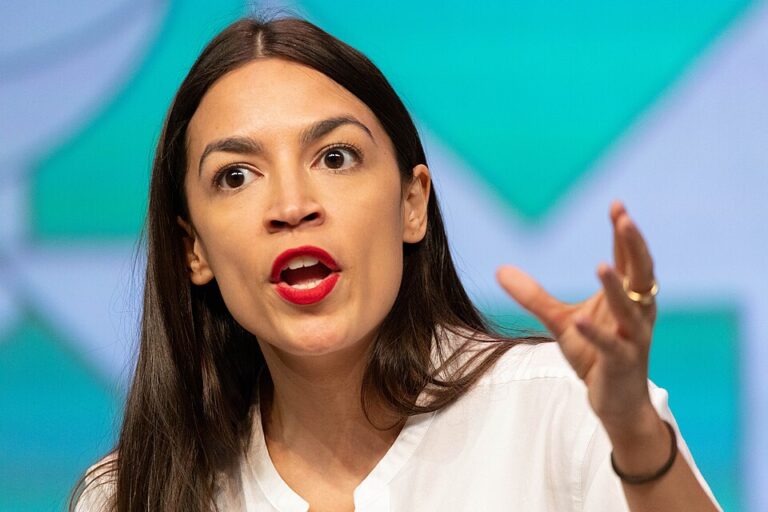
Trump’s comments followed several major victories by candidates associated with the Democratic Socialists of America.
In New York City, candidates Darializa Avila Chevalier, Brad Lander, and Claire Valdez won Democratic congressional primaries after receiving support from Mayor Zohran Mamdani. Avila Chevalier and Lander defeated sitting members of Congress, while Valdez won an open-seat contest against a candidate backed by the Democratic establishment.
Days later, 29-year-old democratic socialist Melat Kiros defeated 15-term Democratic Representative Diana DeGette in Colorado’s 1st Congressional District. Kiros entered the general election as the favorite in the heavily Democratic district.
Those victories clearly alarmed Republicans. They also unsettled moderate Democrats who worried that the party’s leftward movement could create problems in competitive districts.
Senator Bernie Sanders, an independent democratic socialist, offered a very different interpretation. He said voters were “sick and tired of status quo establishment politics” and wanted leaders willing to challenge wealthy interests.
There is also an important distinction in this debate: the candidates generating headlines describe themselves as democratic socialists or have ties to a democratic-socialist organization. They have not presented themselves as members of a communist party.
The Democratic Socialists of America says it wants working people to run society and the economy democratically. Its 2026 platform calls for major structural changes, including universal health care, stronger labor power, public control of key resources, and eventually replacing the existing capitalist system with a democratic-socialist republic. Those positions are far outside mainstream Republican economics, but describing every democratic socialist as a communist skips over differences the groups make in their own programs.
Trump, however, appears unwilling to spend much time separating the labels. His message treats democratic socialism, Marxism, and communism as parts of the same political danger.
The timing matters. Trump moved directly from declaring that America would never become communist to discussing the November midterms, the Senate filibuster, and election legislation. Reuters reported that Republicans have increasingly focused on socialist primary victories as they worry about maintaining control of Congress.
In other words, the Mount Rushmore warning was not just a matter of philosophy. It was also a campaign strategy.
Trump and Mamdani Offer Two Versions of Patriotism
Trump was not the only political leader using America’s 250th birthday to define patriotism.
Earlier that day, New York City Mayor Zohran Mamdani delivered his own anniversary address while seated behind George Washington’s historic desk at City Hall and surrounded by recently naturalized citizens.
Mamdani did not mention Trump by name. Instead, he described America as a country of contradictions, wealth and hunger, freedom and exclusion, opportunity and inequality. He praised immigrants, workers, protesters, and Americans who pushed the country to live up to its founding promises.
“Patriotism has never been about pretending our nation is without flaws,” Mamdani said, arguing that protest and dissent can also be expressions of love for the country.
That created a striking Independence Day split.
Trump presented patriotism as loyalty to America’s traditional heroes, institutions and historical narrative. Mamdani presented it as the continuing effort to challenge injustice and make the country more faithful to its stated ideals.
Both men claimed the language of American greatness. They simply defined greatness in dramatically different ways.
Trump’s full remarks also clarify one important point: he did not direct the Karl Marx statement at one named politician. The comment formed part of a broader attack on communism, progressive historical narratives, immigration, and the growing democratic-socialist movement.
His declaration was blunt, memorable, and designed for a political moment in which ideological labels carry enormous power. Supporters will hear a president defending free enterprise and national pride. Critics will hear an attempt to brand lawful political opposition as disloyal.
Either way, Trump turned America’s 250th birthday into a fight over who gets to call themselves a patriot, and that argument is unlikely to end when the fireworks fade.