Trump’s National Mall Race Sparks Questions Over Cost, Access, and America’s 250th Celebration
A major IndyCar race through Washington’s National Mall is turning one of America’s most recognizable public spaces into a national stage, but the event is also raising important questions about cost, logistics, and how the country celebrates its 250th anniversary.
The National Mall race announced as part of President Donald Trump’s broader Freedom 250 celebration plans will bring high-speed motorsports to the heart of Washington, D.C., with cars racing near some of the nation’s most historic landmarks. Supporters describe it as a unique patriotic celebration that could attract visitors and showcase American innovation. Others are asking how much the event will cost, how disruptions will be managed, and whether such a major sporting event belongs in a symbolic civic space.
The debate surrounding the race reflects a larger conversation about public events, national celebrations, and the balance between entertainment, tradition, and government responsibility.
Washington’s Historic Core Becomes a Racing Circuit
The planned National Mall race is expected to feature IndyCar vehicles traveling on a temporary street circuit near landmarks such as the U.S. Capitol, the Washington Monument, Smithsonian museums, and the National Archives.
According to IndyCar officials, the circuit will cover approximately 1.7 miles and include several turns through downtown Washington. Organizers say the event is designed to celebrate America’s 250th anniversary while highlighting motorsports, engineering, and manufacturing.
The event is expected to attract thousands of visitors, with organizers promoting free public viewing opportunities. However, transforming downtown streets into a racing venue requires extensive planning involving transportation officials, security agencies, emergency responders, and local authorities.
The Biggest Question Americans Want Answered: Who Pays?
Beyond the excitement of a race near national monuments, one of the biggest public concerns involves finances.
Large-scale events in major cities often require spending on security, transportation planning, road preparation, cleanup, and emergency services. Federal officials and organizers have discussed the economic opportunities surrounding the event, but questions remain about the exact financial breakdown between private sponsors, event organizers, and government resources.
The issue matters because taxpayers often pay attention whenever public spaces are used for major commercial or entertainment events.
A key question for Americans is whether the economic benefits from tourism, hospitality spending, and increased national attention will outweigh the public expenses required to host the race.
A Tourism Opportunity or a Transportation Challenge?
Supporters of the National Mall race argue that bringing IndyCar to Washington could create a significant tourism boost.
Major sporting events often generate revenue for hotels, restaurants, transportation services, and local businesses. Washington already attracts millions of visitors each year because of its museums, monuments, and historical attractions.
However, large events can also create challenges for residents and workers. Road closures, security restrictions, and changes to transportation routes could affect people who live, work, or travel through downtown Washington.
Local officials will likely face pressure to ensure the event delivers economic benefits without causing unnecessary disruption to the city’s daily operations.
Why the Location Has Created Debate
The National Mall is not just another public venue. It has served as a gathering place for presidential inaugurations, historic speeches, demonstrations, memorial events, and national celebrations.
That history has made the location especially meaningful to Americans across political and cultural backgrounds.
Supporters believe using the area for a major sporting event creates a memorable way to celebrate the nation’s anniversary. They argue that public spaces have long hosted festivals, concerts, and large gatherings.
Critics, however, have questioned whether a commercial racing event fits with the National Mall’s traditional role. The disagreement is less about racing itself and more about how Americans define the purpose of their most symbolic public spaces.
Presidential Influence Adds Another Layer to the Discussion

The race has also drawn attention because of President Trump’s involvement in promoting the event. Transportation Secretary Sean Duffy said Trump played a role in helping move the project forward after discussions with IndyCar officials. The administration has presented the event as part of a broader effort to create major celebrations around America’s 250th anniversary.
At the same time, presidential involvement in large public events often raises questions about transparency, decision-making, and the determination of government priorities.
Those questions do not automatically indicate wrongdoing, but they highlight why public officials are expected to provide clear explanations when government resources and nationally significant locations are involved.
Trump Presents Race as a Celebration of American Achievement
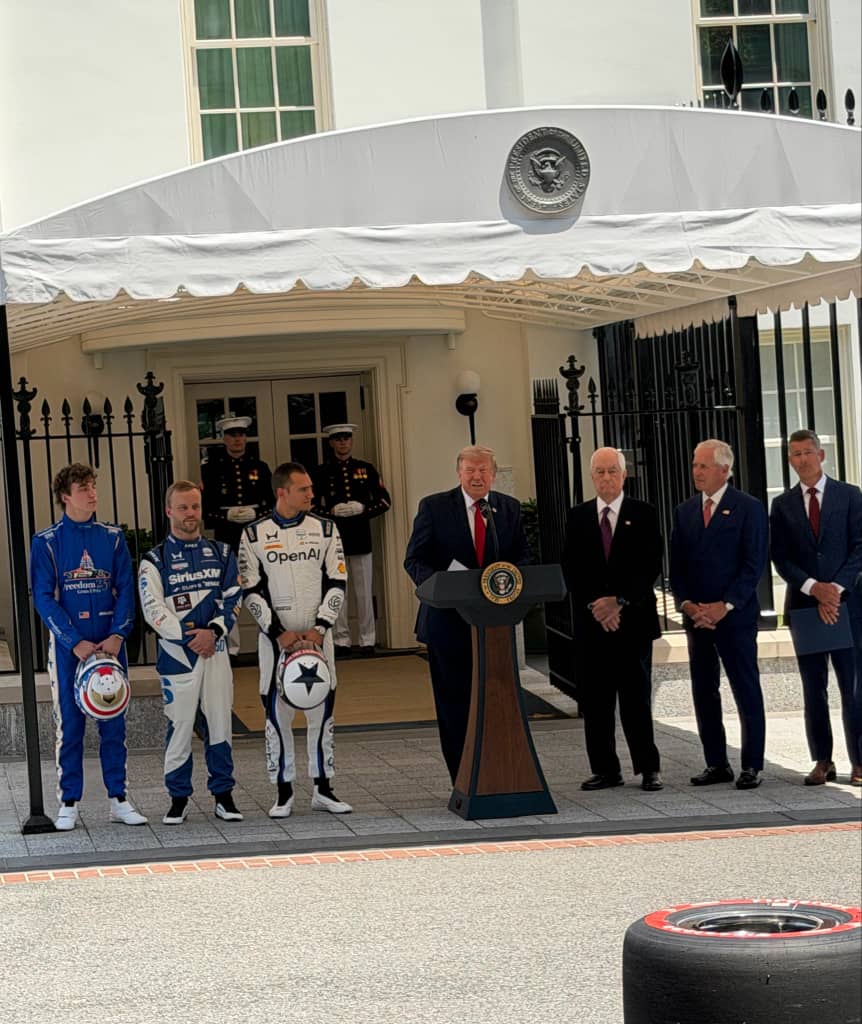
President Donald Trump has described the National Mall race as a way to celebrate America’s 250th anniversary while highlighting the country’s racing heritage, engineering, and manufacturing strength. During a White House showcase for the Freedom 250 Grand Prix, Trump praised the event as a major patriotic celebration that would bring attention to American innovation.
The administration has positioned the race as part of a broader anniversary program featuring large public events.
Safety and Planning Will Define the Event’s Success
Another major factor will be safety.
Hosting a high-speed race near major government buildings and crowded tourist areas requires careful planning. Organizers will need to coordinate barriers, emergency access, crowd management, transportation changes, and security procedures.
The success of the National Mall race may ultimately depend less on the spectacle itself and more on how effectively officials manage the practical details.
Residents and visitors will likely pay close attention to safety preparations as the event approaches.
The Larger Debate Behind the Race
The National Mall race has become about more than motorsports. It represents a broader debate over how America marks historic moments and how public spaces should be used.
For supporters, the event represents celebration, innovation, and a chance to bring millions of people together around a uniquely American tradition. For critics, it raises questions about priorities, costs, and whether national landmarks should host large commercial events.
Both perspectives reflect a common interest: ensuring that major national celebrations serve the public.
The National Mall race could become one of the most visually striking events connected to America’s 250th anniversary, placing IndyCar alongside some of the country’s most recognizable landmarks. But its lasting reputation will likely depend on more than the excitement of race day. Transparency, safety, financial accountability, and public access will determine whether Americans remember it as a historic celebration or a controversial experiment with national spaces.