Trump’s Qatar‑Gifted Air Force One Returns to the Hangar as Security Upgrades Raise New Questions About Cost and Readiness.
President Donald Trump’s much‑publicized new presidential jet, a Boeing 747‑8 generously gifted by the government of Qatar, has been pulled out of active service barely weeks after its introduction, raising fresh debate over its readiness, cost, and the very politics of presidential air mobility.
Originally heralded as a “flying White House” and a symbol of international goodwill, the aircraft’s sudden retreat back to the hangar for a month of intensive security upgrades has thrust the debate over presidential safety, fiscal priorities, and foreign influence back into the spotlight.
From the moment the jet first touched down at Joint Base Andrews in early July, its arrival sparked both awe and controversy. With its striking red, white, dark blue, and gold livery a departure from the traditional Air Force One paint scheme and an interior befitting a private VIP airliner, the plane was quickly framed as both a modern marvel and a diplomatic milestone.
But within weeks, serious questions began to circulate about whether the lavish machine was fully up to the daunting task of safely transporting the commander‑in‑chief through a world fraught with strategic tension.
A Gift Wrapped in Scrutiny
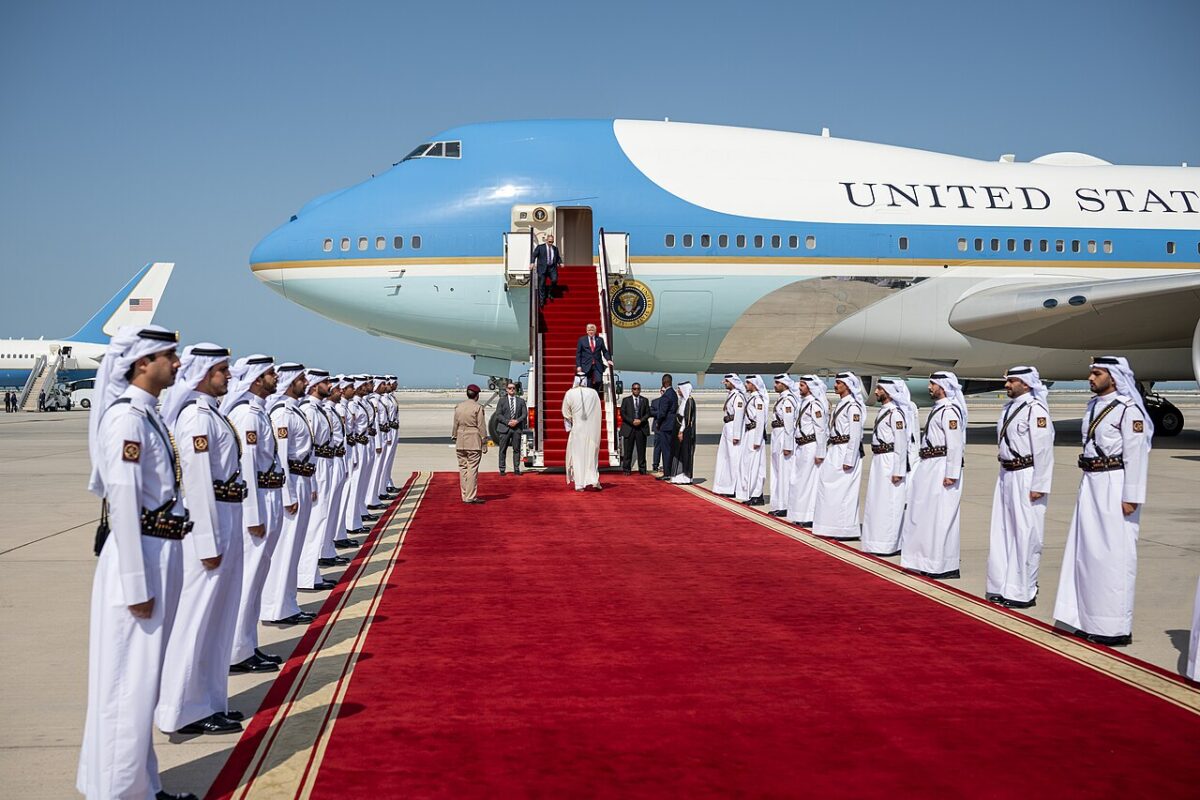
The aircraft, valued at close to $400 million, was donated by Qatar in 2025 and underwent rapid modification by defense contractor L3Harris Technologies to serve presidential duties. Trump and administration officials had eagerly showcased the jet’s capabilities, touting its modern avionics, spacious cabins, and ability to impress both allies and adversaries.
Yet the very gift that generated broad attention also carried political baggage. Critics from both sides of the aisle raised concerns about the propriety of accepting such a valuable asset from a foreign government, with constitutional questions surrounding the emoluments clause lingering in legal and public discourse.
Congressional leaders demanded transparency on the terms of the transfer, and legal scholars weighed in on whether a government gift of this magnitude could influence U.S. policy or perception abroad.
The Security Question That Changed the Flight Plan
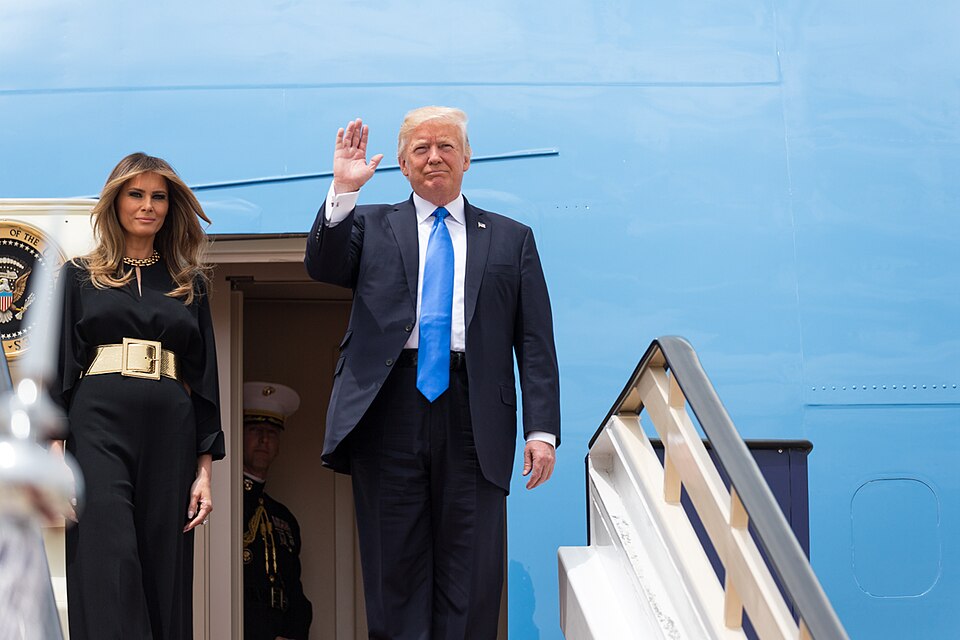
Despite the opulent interior and high expectations, it became clear almost immediately that the Qatar‑gifted jet was not, at present, a fully equipped military command center.
In mid‑July, while returning from a NATO summit in Turkey amid rising tensions with Iran, Trump abandoned the new jet for part of his journey, opting instead for an older Air Force One, citing nostalgia but inevitably fueling speculation about the new plane’s defensive readiness.
A Reuters report confirmed the switch, noting that critics and security experts were already questioning whether the rapid retrofit had left critical anti‑missile defenses and hardened communications systems underdeveloped. Trump sought to quell concerns by stating that the jet “has a lot of capability,” but also acknowledged it would be sent away “in about a month or so” to be “maxed out” with defensive upgrades an admission that has only deepened the controversy.
Details about the forthcoming modifications remain scarce, but the fact that additional work is deemed necessary so soon after the jet’s deployment underscores enduring worries about its suitability for high‑threat environments.
The existing presidential fleet, comprised of heavily fortified aircraft with decades of proven performance, has long been equipped with advanced countermeasures, encrypted communications, and emergency response capabilities that require painstaking engineering and uncompromising testing. Whether the interim gift can be brought to these levels of readiness within a month is an open question being intensely debated in defense circles.
Cost Overruns and Delays in the Broader Fleet
The backdrop to this unfolding story is a broader saga of delays, rising costs, and technical challenges in replacing the aging Air Force One fleet. Boeing, under a contract originally valued at $3.9 billion in 2018, is tasked with delivering two brand‑new 747‑8 presidential aircraft dubbed the VC‑25Bs, each fully outfitted with state‑of‑the‑art communications, defense systems, and presidential mission equipment.
However, the project is now years behind schedule and has seen significant cost increases, with delivery of the first unit expected by mid‑2028.
This makes the Qatar‑gifted jet more than a symbolic gesture; it was intended to serve as a bridge aircraft, filling a gap while the purpose‑built fleet comes online. But the same acceleration that brought the interim jet into service quickly, including skipping some planned modifications to meet tight deadlines, now appears to have left critical vulnerabilities unaddressed.
Executives at Boeing and defense experts have voiced concern that rushing a conversion of such complexity was likely to leave essential defensive systems incomplete, even as the aircraft operates on the global stage.
A Politics‑Driven Narrative
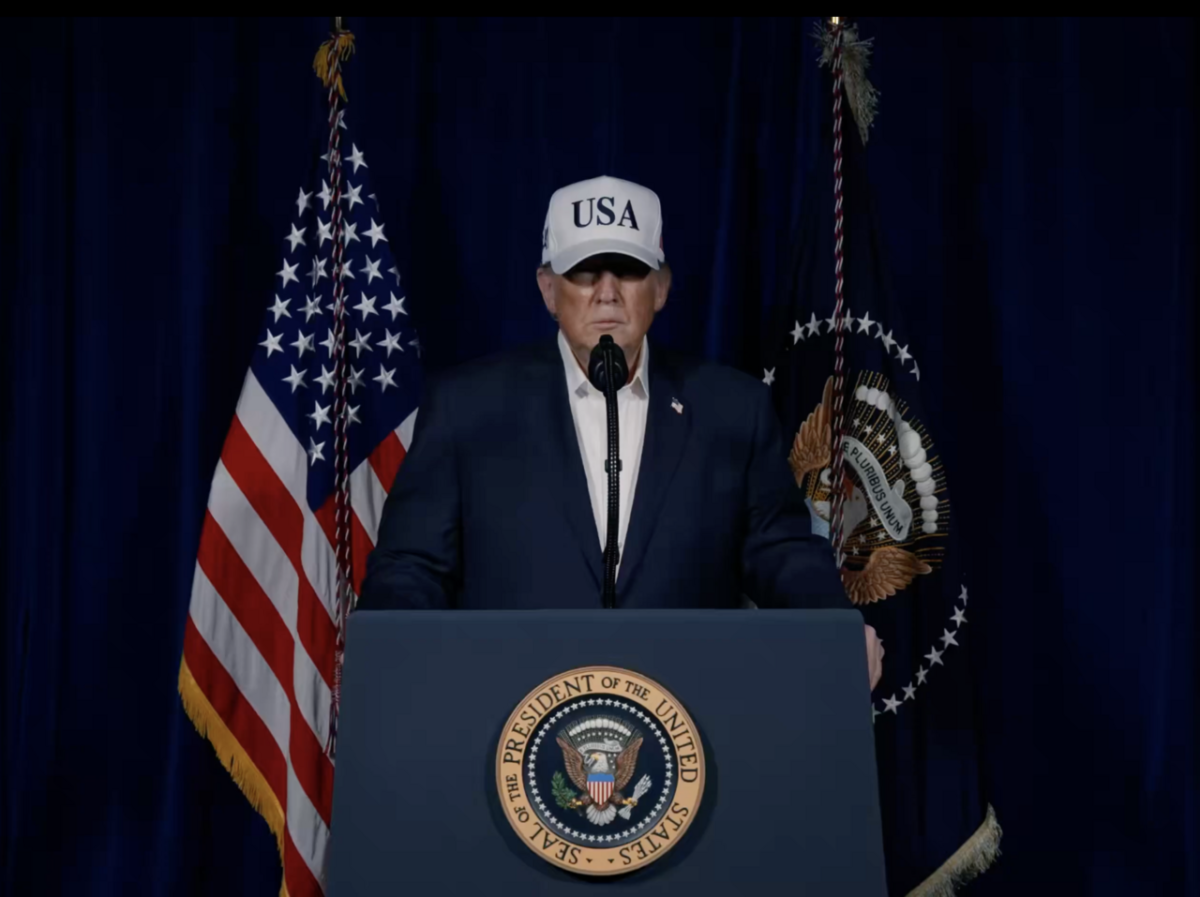
The political implications of this episode are impossible to ignore. Trump has publicly defended the arrangement with Qatar, framing the gift as a cost‑saving measure for American taxpayers and a testament to strong bilateral relations.
Yet opponents, including lawmakers, journalists, and national security specialists, have argued that the optics are troubling: a foreign government bestows a $400 million asset upon the U.S. president, only for that asset to require significant additional spending before it is deemed secure enough for presidential use.
Adding fuel to the fire, The New York Times reported that journalists investigating the jet’s security features were subpoenaed by federal prosecutors, a move critics called a direct threat to press freedom and transparency.
The Times has since sought court protection against the demands, deepening the sense that this is not merely an aviation story but a flashpoint in the larger culture war over media rights, executive power, and national security.
Operational Dilemmas and International Perceptions
For military planners, the situation presents a delicate challenge. Presidential aircraft have always been among the most secure and capable in the world, designed to ensure continuity of government, survival in hostile conditions, and command authority during crises. The current situation where the newest interim aircraft is perceived as potentially less secure than its predecessors underscores a real operational dilemma: how to balance urgency, optics, and safety in an era of rising geopolitical tensions.
Allies and rivals alike have taken notice. Abroad, diplomatic partners see a president whose aerial flagship is both cutting‑edge and controversial; adversaries could perceive operational weaknesses as exploitable vulnerabilities. Within the U.S., the perception that presidential travel might momentarily outpace the installation of crucial defensive systems fuels both partisan criticism and sober strategic evaluation.
What Comes Next
As the Qatar‑gifted jet heads back to the hangar, the focus will now shift to the specifics of its modifications and the timeline for their completion. Will the upgrades truly “max out” its defenses, bringing it on par with the hardened aircraft it is meant to supplement? Or will new complications emerge, requiring further delays or expenditures?
Meanwhile, Boeing’s delayed VC‑25B program continues to loom large. The interim jet’s retreat serves as a stark reminder of the complexity and cost of modernizing the nation’s most iconic flying symbol of American power and prestige.
Whether this episode becomes a footnote or a defining chapter in the story of presidential aviation will depend on how swiftly and transparently the Pentagon and White House can address the dual imperatives of safety and accountability.
What is clear, for now, is that the Qatar‑gifted Air Force One, a remarkable asset wrapped in controversy from its inception, remains a work in progress in more ways than one. As its wings are strengthened with new defenses, the political, strategic, and fiscal questions it raises are likely to fly right along with it for months to come.