U.S. Strikes Iran After Helicopter Downing, Tensions Soar in Gulf
WASHINGTON, The United States has launched a second round of military strikes against targets in Iran, broadening one of the most consequential confrontations between the two nations in decades and rattling global markets. The fresh wave of attacks, described by U.S. military leaders as “self‑defense strikes,” comes after a U.S. Army Apache helicopter was downed near the critical Strait of Hormuz earlier this week, sparking a sharp escalation of hostilities.
According to a U.S. Central Command (CENTCOM) statement, American forces began launching additional strikes at 5:15 p.m. Eastern Time on Wednesday. Those strikes, carried out at the direction of President Donald Trump, were aimed at “multiple targets in Iran in response to Iran’s unwarranted and continued aggression.”
“What we’re doing is necessary to safeguard U.S. forces and the international community,” a CENTCOM spokesman said in the brief announcement posted on social media platform X. “These actions are in direct response to Tehran’s ongoing hostile operations.”
A Helicopter Downing Ignites a Larger Fire

The most immediate trigger for this latest escalation was the downing of a U.S. Army Apache helicopter on June 9 near the Strait of Hormuz, a chokepoint through which roughly one‑fifth of the world’s oil shipments flow. U.S. officials have attributed the incident to hostile Iranian forces, though Tehran has not publicly confirmed its involvement.
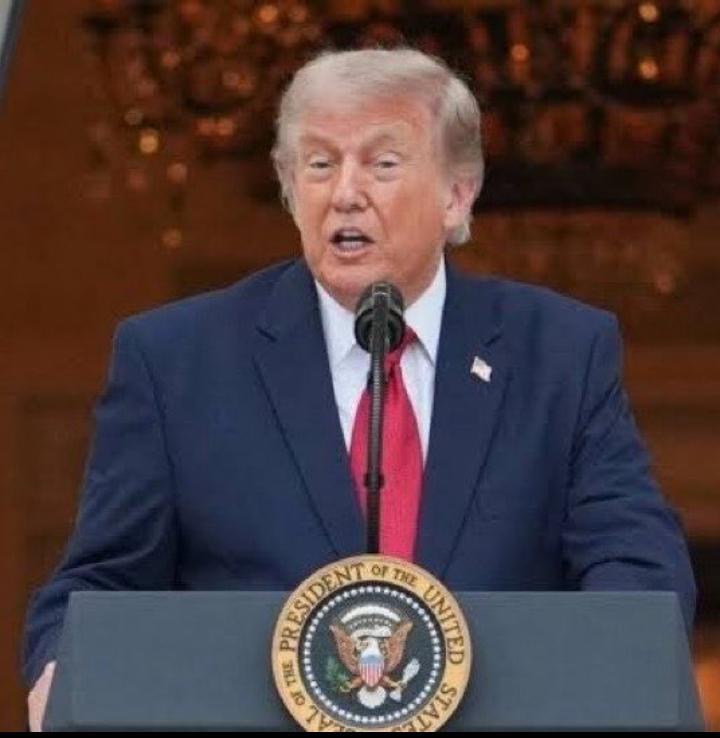
President Trump, speaking prior to the new strikes, underscored the gravity of the incident but also sought to reassure the public about the safety of American servicemembers. “I have been informed that the pilots are fine,” he said, adding that “we will respond with force when American lives are threatened.”
CENTCOM described the initial strike wave as a “proportional response” to what it called “unjustified Iranian aggression.” It noted that U.S. forces targeted Iranian air defense systems, radar sites, and surveillance operations believed to be tied to threats against U.S. assets and international shipping.
Once rescue teams confirmed the two American pilots were safe, including through a drone‑assisted recovery, the U.S. turned its focus toward crippling the perceived Iranian threat network along the coast.
The Second Wave: Precision Strikes and Strategic Messaging
On Wednesday evening, a second wave of strikes began, described as “additional self‑defense” actions. According to U.S. military sources, those strikes focused on Iranian surveillance capabilities, communications networks, and air defense sites, essential components of Tehran’s military posture in the region.
The involvement of coordinated U.S. Navy, Air Force, and Marine Corps assets suggested a complex, multi‑axis operation rather than a single, isolated bombardment. Analysts noted that such precision strikes, particularly against radar and communications infrastructure, are designed to reduce an adversary’s ability to coordinate future attacks.
“The mission remains defensive in nature,” said a U.S. military official familiar with the operation who spoke on condition of anonymity. “Our forces are acting to protect American troops and commercial shipping passing through key waterways.”
Government officials have been clear that, despite the expanding violence, the United States is not seeking a full‑scale war with Iran. Yet the repeated strikes, and the speed with which they were launched, underscore how quickly diplomatic and military tensions can spiral.
Regional Responses and Global Economic Fears

Far beyond Tehran and Washington, the latest developments are reshaping regional calculations and rattling global markets.
In response to the new U.S. strikes, Iranian authorities announced the closure of the Strait of Hormuz to all shipping, threatening to fire on any vessel attempting to transit the vital waterway, a move that sent oil prices sharply higher.
Brent crude oil closed at about $94.58 per barrel, and U.S. West Texas Intermediate futures climbed above $91 on Thursday, as traders reacted to the tensions and the strategic implications of a blocked Hormuz, a closure that could sharply constrain global fuel shipments.
That escalation has triggered fear in capitals from Doha to Rome, where energy security planners now face the prospect of tighter supply lines just as global inventories have thinned. Economic data already show U.S. crude stockpiles have fallen sharply in recent weeks, heightening sensitivity to any disruption in the Gulf.
Tehran’s Counterpunch and Regional Fallout
Iran has not remained idle. According to state media reports, its top military leadership claimed to have struck multiple U.S. allied positions across the Gulf in retaliation, though independent verification of those claims remains incomplete.
Additionally, Iranian authorities declared a readiness to target any vessel that defies the blockade, a declaration that could alarm nations dependent on Gulf shipping, from South Korea to France and beyond.
At home, Iranian officials have framed their actions as defensive, insisting that Tehran is responding to U.S. aggression and violations of national sovereignty. A senior Iranian military commander characterized the situation as dangerously volatile, warning that “the region could become hell” if the fighting broadens.
The Diplomatic Deadlock
Behind the explosions and missile trajectories lies a stalled diplomatic pathway. For weeks, mediators from Qatar and other nations attempted to revive talks between Tehran and Washington to cement a ceasefire and limit further bloodshed.
Yet those efforts appear to have collapsed in the wake of renewed hostilities. Iranian negotiators have demanded sanctions relief and the unfreezing of foreign assets as prerequisites for meaningful de‑escalation, conditions the United States says it cannot accept without concessions on Tehran’s nuclear and missile programs.
President Trump has publicly expressed a desire for a deal, framing military pressure as a lever to bring Iran back to the negotiating table. “We hit them hard yesterday, and we’re going to hit them hard again today,” he said in a recent address, urging Tehran to reconsider its stance.
But Iranian leaders, hardened by decades of tension with Washington, have rejected overtures made under threat, suggesting that military escalation will not produce the diplomatic breakthrough strategists on both sides had hoped for.
What Happens Next? The Fragile Balance

For now, the conflict remains dynamic and unpredictable:
- U.S. forces continue to maintain readiness across multiple theaters, insisting their operations are narrowly calibrated and defensive.
- Iran has signaled it will resist economic and military pressure, even if it risks regional isolation.
- Global markets are bracing for volatility, with oil and energy prices highly sensitive to any further disruption of Gulf shipping.
Diplomats, soldiers, and oil traders alike now watch anxiously as the latest chapter in U.S.–Iran hostilities continues to unfold, one that started with a helicopter downing, but may ultimately reshape the geopolitical landscape far beyond the Gulf.