USDA Says Not to Eat This Canned Food Sold in 5 States
Before opening another can of Vienna sausages, check the label. The U.S. Department of Agriculture (USDA) has issued a public health alert for two varieties of Grace canned chicken Vienna sausages illegally imported from Jamaica and distributed to five states.
The USDA’s Food Safety and Inspection Service (FSIS) issued the warning on October 6, 2026. Although officials reported no confirmed illnesses or injuries associated with the products, the agency advised consumers not to eat them.
Which Canned Sausages Are Affected?
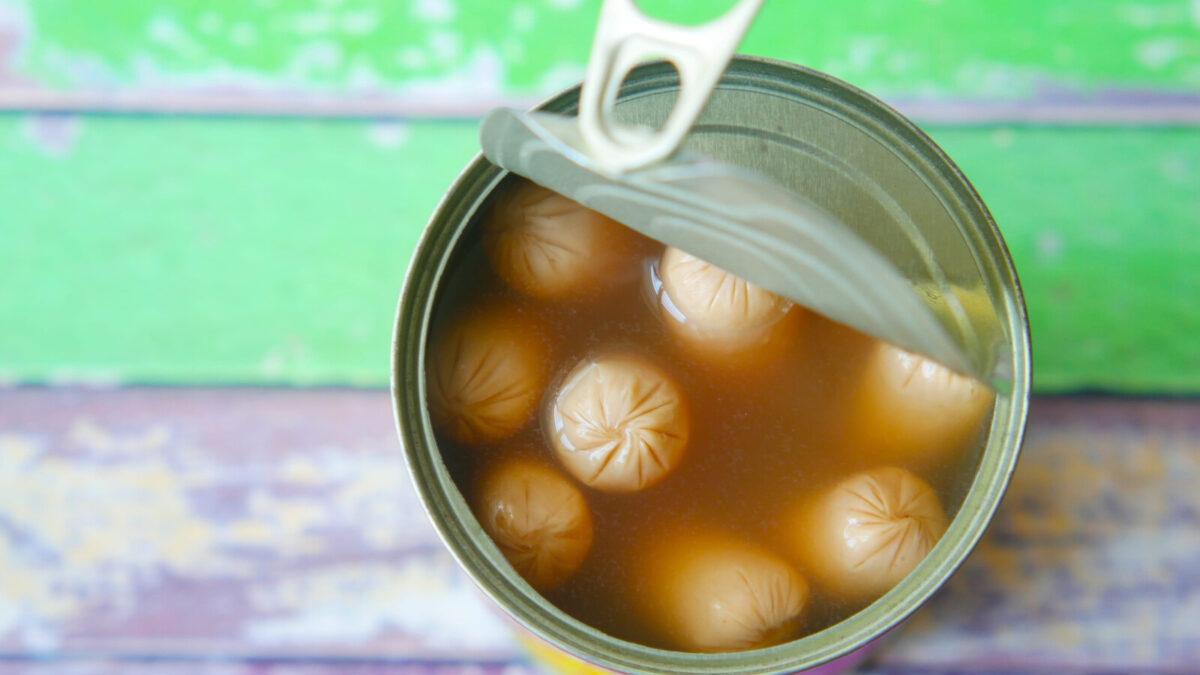
The USDA identified two ready-to-eat products sold in 140-gram cans. Both were manufactured in Jamaica and entered the United States despite federal import restrictions.
Grace Ready to Eat Chicken Vienna Sausages
The regular variety is included in the federal alert. It comes in a 140-gram can and carries the Grace brand name.
Grace Ready to Eat Chicken Vienna Sausages Hot & Spicy
This version is also covered by the alert. It is packaged in the same 140-gram size but is labeled Hot & Spicy. Both products bear the establishment number “EST. NO G-01” inside the Jamaican inspection mark. The USDA confirmed that its warning applies regardless of the product date, making the establishment number an important detail for shoppers checking their purchases.
The Products Were Distributed Across Five States
According to the USDA, the importer distributed the affected sausages to retail locations in Alabama, Florida, Georgia, Maryland, and Texas.
The federal announcement did not identify specific grocery chains or individual stores that received the shipments. As a result, consumers cannot determine from the USDA’s announcement alone whether their local supermarket was involved.
Georgia’s Department of Agriculture also published the warning on October 7, providing the same product identification details to residents. The concern is not limited to merchandise currently available in stores. Federal officials believe some imported sausages may already be in household pantries.
As FSIS stated in its announcement, “FSIS is concerned that some product may be in consumers’ pantries.” For shoppers who regularly stock canned foods, the warning makes checking the packaging particularly important.
Why Did the USDA Issue the Alert?
The federal warning centers on how the products entered the United States. Jamaica is not currently eligible to export meat or poultry products to the American market. That restriction applies even when the products are manufactured by an established food company.
FSIS discovered the issue during routine surveillance of imported products already circulating in commerce. Inspectors identified the canned sausages and determined that they had entered the country without meeting federal import eligibility requirements.
The announcement did not identify a specific contaminant or manufacturing defect.
This is also a public health alert, not a formal product recall. The USDA issued the warning to inform consumers about the imported products while federal officials investigate how they entered the country.
Related: 6 Canned Foods Linked to Increased Cancer Risk
GraceKennedy Foods Responds to the Federal Warning
GraceKennedy Foods, the company behind the Grace brand, addressed the situation in an official statement released October 7. The company said it does not export Jamaican-manufactured Grace Chicken Vienna Sausages to the United States and had not authorized another party to do so on its behalf.
According to GraceKennedy, the USDA-identified products entered the American market outside the company’s authorized export and distribution channels.
The company also explained that Grace Vienna sausages it officially distributes in the United States are manufactured at facilities that comply with USDA requirements.
That distinction matters to consumers because the federal warning does not apply to every Grace-branded sausage product sold in America.
GraceKennedy further clarified that the alert concerns import eligibility, not contamination or a food-safety defect in an identified product.
The company’s statement did not change the USDA’s instructions concerning the affected Jamaican-made products.
What Should Consumers Do Now?
First, compare any Grace chicken Vienna sausages in your pantry with the product descriptions and establishment number listed above. If your cans match the affected products, the USDA recommends throwing them away or returning them to the place of purchase.
The agency has also provided several ways to obtain additional information.
For questions specifically about the affected products, consumers can contact Sandra Campbell at 305-887-9523 or [email protected].
General food-safety questions can be directed to the USDA Meat and Poultry Hotline at 888-674-6854 or [email protected].
Consumers can also report problems involving meat, poultry, or egg products through the USDA’s online complaint system.
What Happens Next?
FSIS confirmed that it is continuing to investigate how the Jamaican-made sausages entered the United States. The October 6 announcement did not establish a completion date for the investigation or identify additional enforcement measures.
For now, the confirmed consumer guidance remains unchanged. Shoppers should rely on the USDA’s official product identification information rather than assuming that every Grace Vienna sausage is affected.
The takeaway is simple: Check the label, identify the affected cans, and follow the USDA’s instructions.
Other Posts You May Like
10 Things You Should Stop Storing in Your Kitchen Cabinets
7 Foods You Should Never Store in the Fridge Door, According to Food Safety Experts