USDA’s SNAP Proposal Would End Automatic Free School Meals for 1.78 Million Kids: What Parents Should Know
When most people hear about changes to SNAP, they think about grocery money. But a new proposal from the U.S. Department of Agriculture reaches further than the checkout line. It could also change how millions of children qualify for free breakfast and lunch at school.
The proposed rule, published in the Federal Register on November 10, 2026, would narrow a policy that lets many families qualify for SNAP automatically. The USDA estimates about 6.3 million people would lose SNAP benefits once the change takes full effect. Buried in the same document is another number that has parents and school districts paying attention: about 1.78 million children would lose automatic eligibility for free school meals.
The good news is that most of those children could still get free or reduced-price meals by applying a different way. Here’s what the proposal says, who could be affected and how families can share their views before the comment period closes on December 10.
What the Proposal Would Change
The rule targets something called broad-based categorical eligibility, often shortened to BBCE. Right now, households that receive certain non-cash services funded by the federal Temporary Assistance for Needy Families program can automatically qualify for SNAP. Those services can include things like informational brochures, child care help or job training.
According to the Federal Register notice, the USDA wants to limit automatic SNAP eligibility to households that receive actual TANF assistance, as defined in federal rules. Families who only receive those smaller non-cash services would have to meet SNAP’s regular income and asset limits instead.
Who Could Lose SNAP Benefits
The USDA estimates that about 17.6 percent of SNAP participants live in households with income or resources above the regular federal limits, and that they currently qualify only because of BBCE. That works out to about 3.2 million households containing 6.3 million people in fiscal year 2029, the first year the rule is expected to reach its full effect.
Under federal law, most households without an elderly or disabled member must have gross monthly income at or below 130 percent of the federal poverty guidelines. KGOU reported that the cutoff works out to about $42,900 a year for a family of four. The rule would also bring back asset limits for these households, so savings could count against eligibility.
Households with an elderly or disabled member are treated a little differently under the law, since they only need to meet the net income limit. Still, any household that qualifies today only through BBCE would have to show it meets the regular federal rules. For working families just above the line, that could mean the difference between getting help with groceries and getting none.
Why School Meals Are Part of the Story
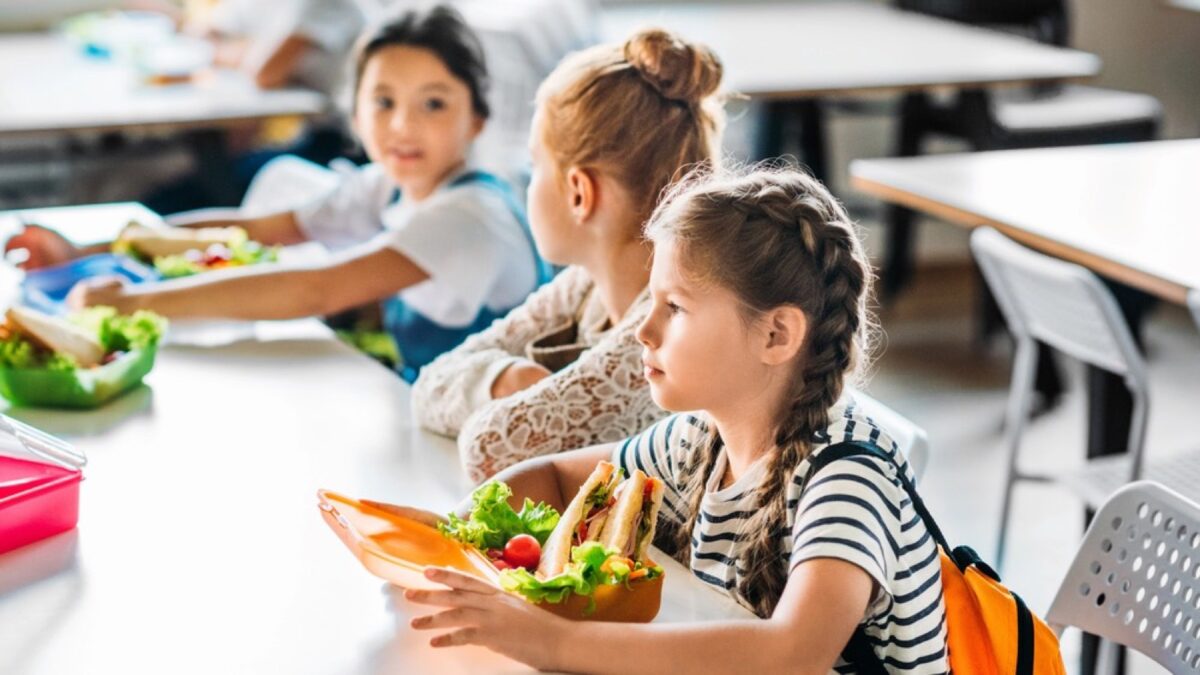
Here’s where many parents may be surprised. When a household receives SNAP, the children in that home are automatically eligible for free school meals without filling out a separate application. Schools usually confirm that through a process called direct certification, which matches student records with SNAP data.
If a family loses SNAP because of this rule, that automatic link to free school meals disappears too. The USDA estimates that about 1.78 million children would no longer be categorically eligible for free school meals. About 30 million children are served through the school meals program each year, according to the same notice.
Most Children Could Still Qualify
The USDA’s own estimate says about 97 percent of those 1.78 million children would still be eligible for free or reduced-price meals based on their household income. They would just have to qualify through a different process, usually by filling out a school meal application.
The agency breaks it down further. About 1.66 million of the children would still receive free meals, 93,000 would move from free meals to reduced-price meals and about 28,000 would pay full price based on their household’s resources. The catch is that families have to know they need to apply, and some may not realize their child’s status changed until a bill shows up.
Summer Meals and WIC Could Be Affected Too
The proposal also touches other programs that use SNAP to confirm eligibility. The USDA estimates that about 42,000 children could lose Summer EBT benefits, which help families buy groceries when school is out, beginning in the summer of 2029. That includes about 13,000 children whose families might not apply even though they remain eligible.
WIC, the program for women, infants and young children, could see a smaller change. The agency estimates that of 22,000 WIC participants who qualify through BBCE, about 16,500 would still meet the income limits, while about 5,500 women, infants and children would no longer be eligible.
What Supporters and Critics Are Saying
The USDA says the change would target SNAP to households that truly need it and would cut SNAP spending by about $44.6 billion over five years. Supporters of the rule argue that BBCE allowed households above the regular income limits into the program.
Anti-hunger groups strongly disagree. KGOU reported that Hunger Free Oklahoma called the proposal “terrible news” for every state, and warned that less SNAP spending could hurt local grocery stores, especially small rural ones. This isn’t the first attempt to end BBCE: according to Food Dive, a similar proposal in 2019 was withdrawn in 2021.
Nothing Changes Overnight
It’s important to remember that this is a proposed rule, not a final one. Families currently getting SNAP and free school meals won’t see an immediate change. The USDA says the rule would reach its full effect in fiscal year 2029, and it could still be revised or dropped after the public comment period.
Many families have already been through a lot of SNAP changes over the past year, from new food purchase limits in some states to the soda limits starting in Wyoming, Kansas and Missouri. It’s understandable if parents feel worn out trying to keep track.
How to Share Your Opinion
Anyone can comment on the proposal, whether you support it or oppose it. The Federal Register notice says written comments must be received by December 10, 2026. Comments can be submitted through regulations.gov using docket number FNA-2026-0661, which is the rule titled “Supplemental Nutrition Assistance Program: Reforming Categorical Eligibility.”
Parents who want to protect their child’s school meals can also take a simple step now. Keep an eye on letters from the school district, and if you’re ever told your child is no longer directly certified, fill out a school meal application right away. Most schools accept them all year long.
Do you think the USDA’s proposal goes too far, or is it a fair change? And did your family ever rely on free or reduced-price school meals?