Venezuela’s earthquake disaster sent a warning across the Caribbean
The ground shook in Venezuela, but the fear did not stop at Venezuela’s borders.
For a tense stretch after two powerful earthquakes struck near Venezuela’s coast, Puerto Rico and the Virgin Islands were pulled into the emergency through a tsunami advisory. The warning was later canceled, but the message was clear: in the Caribbean, one country’s disaster can become another island’s alarm in minutes.
In Venezuela, the danger did not pass so quickly.
Two major earthquakes hit northern Venezuela on Wednesday evening, jolting Caracas, the country’s capital, damaging buildings, closing key infrastructure, and sending residents rushing into the streets. Early official figures reported at least 32 people dead and about 700 injured, with rescue crews searching through collapsed structures as aftershocks continued.
It was not one frightening shake. It was a double blow.
A magnitude 7.2 quake struck west of Caracas, followed less than a minute later by an even stronger 7.5 tremor, according to reports citing the U.S. Geological Survey. That short gap gave people almost no time to understand the first quake before the second one arrived.
A normal evening turned into a rush for open ground
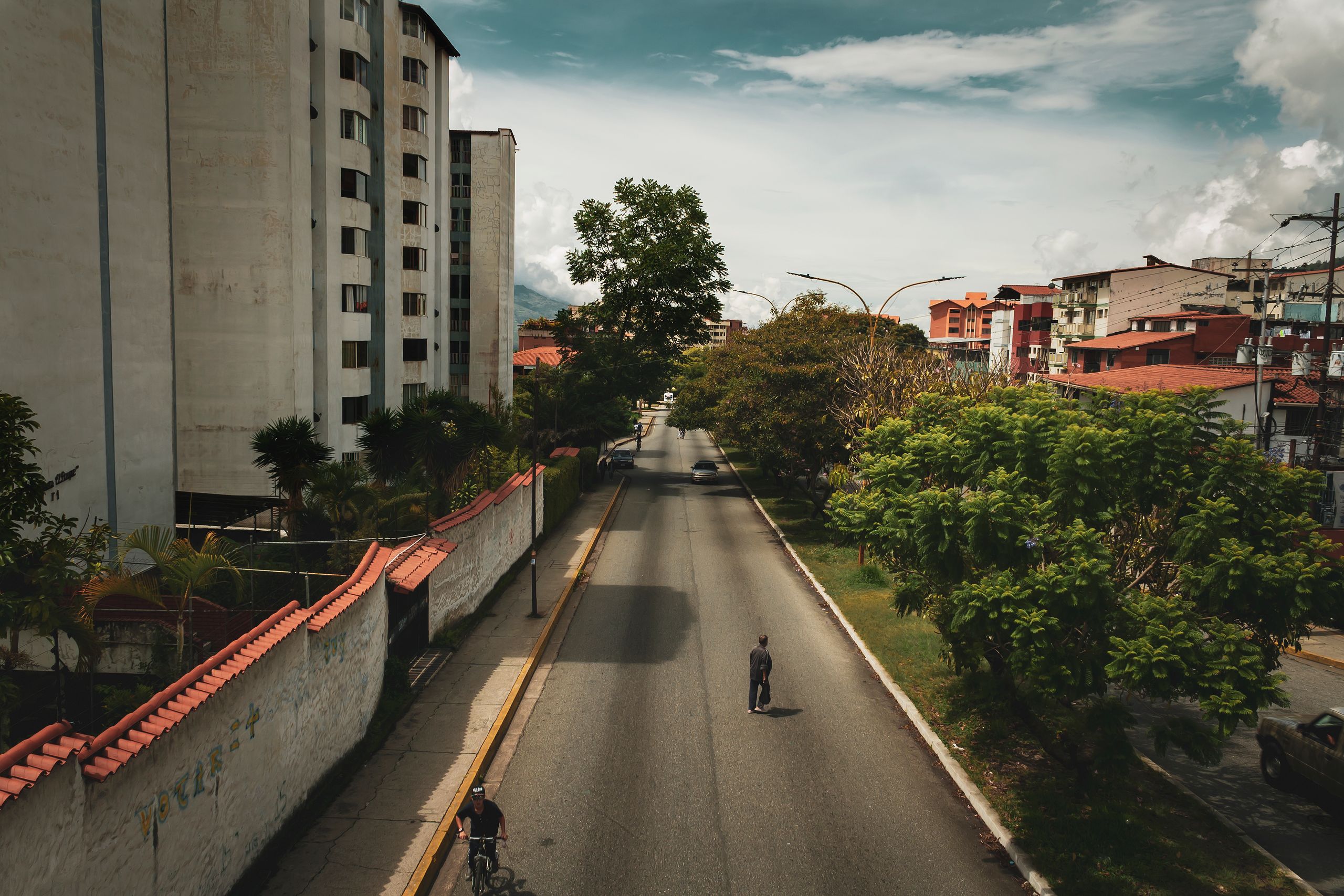
Earthquakes make familiar places feel dangerous fast.
Apartments shake. Elevators become risky. Stairwells fill. Glass breaks. People run outside not because the street feels safe, but because staying inside feels worse.
Across Caracas, residents fled buildings as walls cracked and debris fell. Some carried children. Others stood outside staring back at homes they were suddenly afraid to enter.
The strongest images from a disaster like this are not only collapsed buildings. They are the faces of people trying to understand how quickly ordinary life changed.
One moment, a room is familiar. Next, everyone is asking who is still inside.
The tsunami advisory widened the fear
For Puerto Rico and the Virgin Islands, the warning came from the sea.
A tsunami advisory does not always mean a giant wave is expected to hit land. It can mean dangerous currents and sea-level changes may threaten beaches, harbors, boats, and coastal areas.
After the earthquake in Venezuela, officials issued an advisory for Puerto Rico and the Virgin Islands. It was later canceled after the threat eased.
But the alert showed how fast fear travels in the Caribbean.
The region is built around coastlines, ports, fishing towns, ferries, beaches, cruise traffic, and low-lying neighborhoods. When a powerful quake strikes near the sea, the question is not only what happened on land. It is what the water might do next.
Venezuela’s capital still faces danger after the shaking
In Caracas, Venezuela’s capital, the end of the shaking does not always mean the end of the danger.
Aftershocks can weaken buildings that are already damaged. A wall that survived the first quake can fail later. A staircase can look stable until another tremor hits. A cracked building can become more dangerous hours after people first escaped it.
That leaves families with a brutal choice.
They may need medicine, documents, phones, pets, clothes, or supplies from inside their homes. But every return into a damaged building carries risk.
The first emergency is the quake. The second is what damaged buildings may still do.
La Guaira may face one of the hardest recoveries
Early reports pointed to serious damage in La Guaira, the coastal state north of Caracas and home to Venezuela’s main international airport.
That detail matters because airports become lifelines after disasters. They move rescue teams, medical workers, emergency equipment, food, water, generators, and foreign aid. If an airport is damaged or closed, the response becomes harder at the exact moment speed matters most.
La Guaira also sits between mountains and the Caribbean Sea. Damage there can create several problems at once: blocked roads, damaged buildings, overwhelmed hospitals, communication trouble, and coastal risk.
For residents, the disaster may not be measured only by what collapsed. It may be measured by how long it takes for help to arrive.
The early death toll may not show the full damage
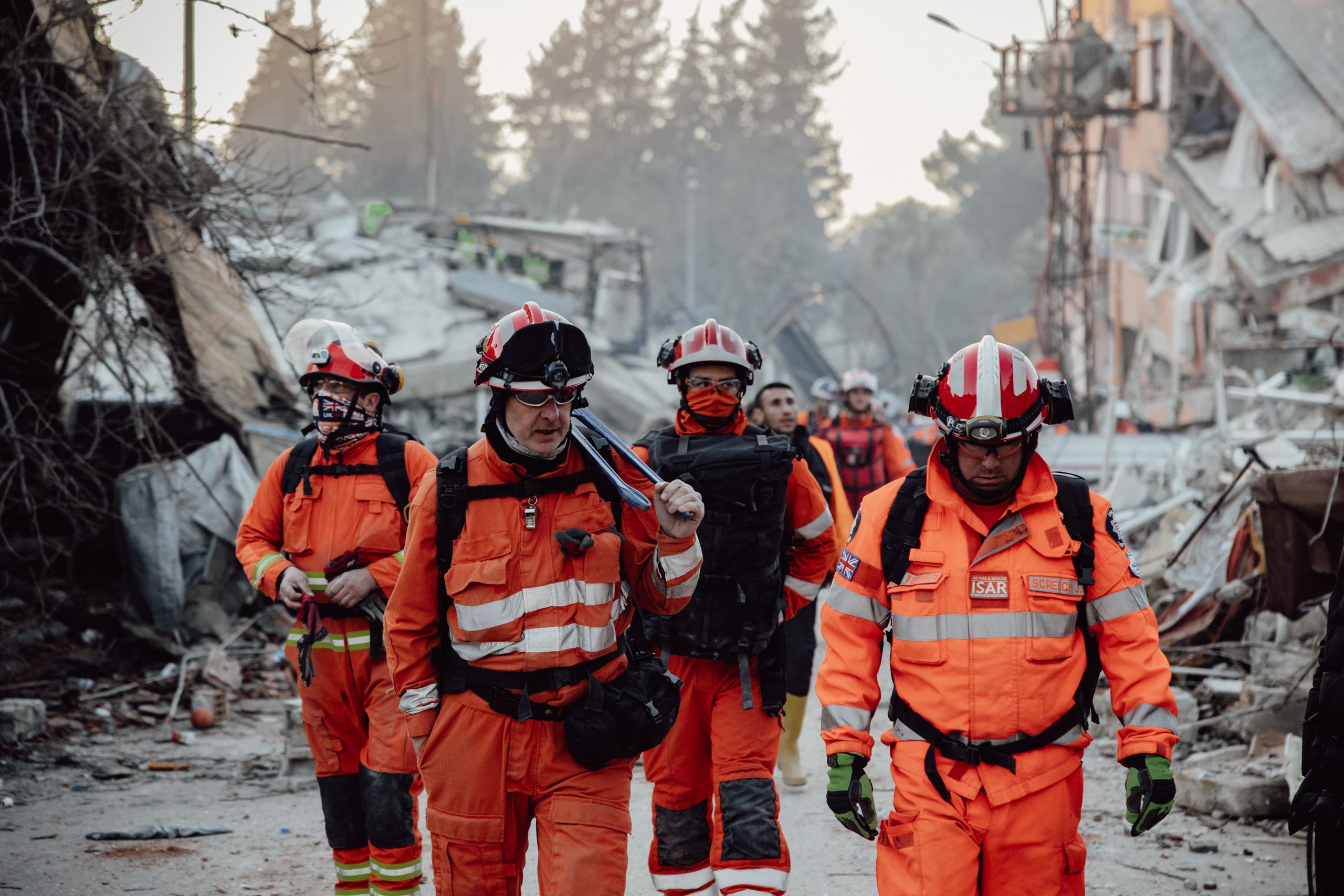
Early numbers after a major disaster are often incomplete.
That does not mean officials have all the answers and are holding them back. It means rescue crews are still reaching damaged areas, hospitals are still treating the injured, and families are still looking for missing loved ones.
In Venezuela, early official figures reported at least 32 deaths and about 700 injuries. Those numbers are already serious, but the final picture may take time to emerge.
Some areas may be harder to reach. Some families may still be searching. Some buildings may still need to be checked.
The confirmed toll tells part of the story. The unanswered calls and missing names tell another.
Venezuela’s existing struggles could slow recovery
Natural disasters do not hit countries in isolation from everything else.
Venezuela was already dealing with years of political tension, economic hardship, infrastructure problems, and pressure on public services before the earthquakes struck.
That matters because disaster response depends on systems that must work under pressure: hospitals, roads, power, water, communications, emergency services, and public trust.
Rescuers, doctors, firefighters, volunteers, and neighbors may do heroic work, but they still need equipment, fuel, medicine, shelter, and clear coordination.
In a disaster, courage matters. So do logistics.
The Caribbean received a warning it cannot ignore
The tsunami advisory for Puerto Rico and the Virgin Islands was canceled, and the worst ocean threat did not arrive.
But canceled does not mean irrelevant.
The alert reminded the wider Caribbean how connected its risks are. A quake near Venezuela can trigger emergency notices hundreds of miles away. Families, boaters, coastal residents, tourists, and local officials may have only minutes to understand what an alert means and what to do next.
Do coastal communities have clear evacuation routes? Do families know where the higher ground is? Do residents trust alerts enough to move quickly?
This time, the warning ended without major tsunami damage for Puerto Rico or the Virgin Islands.
Venezuela was not as fortunate.
The shaking lasted seconds, but the questions remain
Venezuela’s next days will be measured in rescues, hospital updates, aftershocks, inspections, and names.
Names of the dead. Names of the injured. Names of the missing. Names shouted outside damaged buildings. Names typed into phones by relatives abroad waiting for a reply.
For Puerto Rico and the Virgin Islands, the danger has passed this time. For Venezuela, the emergency is still unfolding.
The first headlines will focus on magnitude, death tolls, injuries, and tsunami alerts. But the longer story will come from what happens after the ground stops moving.
How many buildings are safe? How many families need shelter? How fast can aid reach the worst-hit areas? How many aftershocks will follow? How ready is the Caribbean for the next warning?
The earthquakes lasted seconds.
The consequences will not.