What Happens When You Add Salt to Wine? The Surprising Science Behind This Unusual Trick
Adding salt to wine might sound like a terrible idea, especially if you enjoy a carefully selected glass of red or white. However, this unusual trick has a scientific basis, and it could change how certain wines taste. Researchers have found that sodium can suppress bitterness, potentially making some harsh flavors less noticeable without changing the wine’s underlying composition.
While wine enthusiasts may disagree about adding anything to their drinks, the relationship between salt and wine is hardly new. Historical records show that ancient winemakers experimented with seawater during wine production. Today, researchers understand more about how salt affects taste, though that doesn’t mean every glass will benefit.
Why Salt Can Make Wine Taste Different
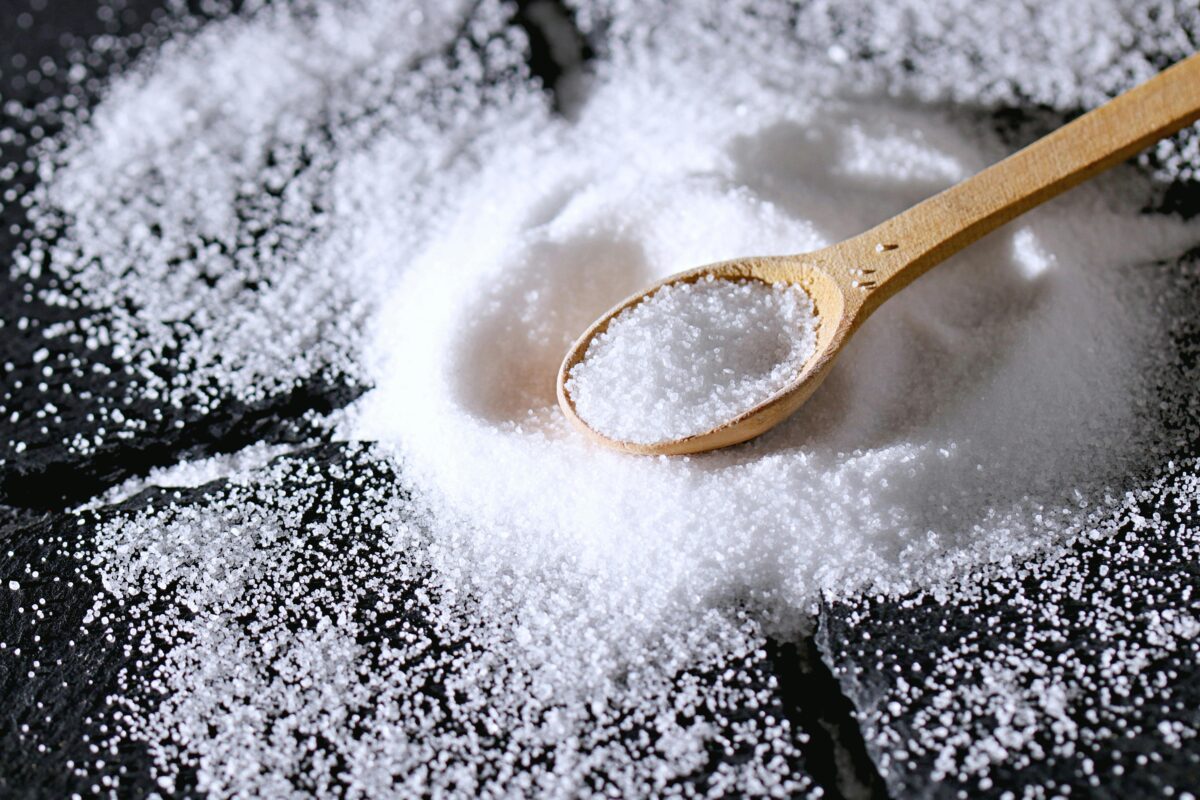
Salt is commonly associated with bringing out flavors in food, but its influence extends beyond making something taste salty. Sodium can also interfere with how people perceive bitterness, one of the tongue’s basic tastes. This interaction helps explain why adding salt to certain foods and beverages can change their overall flavor.
In a 1995 study published in the scientific journal Chemical Senses, researchers Paul Breslin and Gary Beauchamp investigated how different salts affected the perception of bitter substances. They found that salts suppressed bitterness in many combinations, though their effectiveness varied by substance. Their findings suggested that sodium ions played an important role in reducing certain bitter sensations.
For wine drinkers, the findings may explain why salt can make an overly bitter wine seem more approachable. However, the study did not establish that adding salt improves every type of wine. The effect depends on the substances involved, making it difficult to predict how any particular glass will respond.
What Tannins Have to Do With It
Anyone who regularly drinks red wine has probably experienced the dry, puckering sensation that sometimes follows a sip. This sensation is commonly associated with tannins, naturally occurring compounds found in grape skins, seeds, and other plant materials. Tannins can also enter wine when it comes into contact with oak barrels during aging.
During red wine production, grape juice typically remains in contact with the skins during fermentation. This allows the wine to extract color and tannins, contributing to its characteristic structure and mouthfeel. White wines are generally produced with less skin contact, which helps explain why many taste less astringent.
Tannins interact with proteins in saliva, contributing to the drying sensation some wines create when drinking. This feeling is called astringency, and it isn’t identical to bitterness. Although the two sensations can occur together, reducing perceived bitterness doesn’t necessarily eliminate tannins’ mouth-drying effects.
Related: 9-fascinating-and-bizarre-stories-about-wine/
Can Salt Actually Make Red Wine Smoother?
The idea behind adding salt is relatively straightforward: reducing an unpleasant bitter taste might make other wine characteristics more noticeable. If bitterness becomes less dominant, a drinker may perceive the overall flavor as softer or more balanced. However, this is a possible sensory effect, not a guaranteed improvement.
Wine contains numerous compounds that influence its flavor, including acids, sugars, tannins, and aromatic substances. These components interact to produce the experience associated with each variety and individual bottle. Adding salt introduces another factor to an already complex combination of tastes and sensations.
There is also an important limitation to consider before experimenting with this technique. Salt does not simply remove tannins from the wine, nor does it necessarily correct excessive astringency. As a result, someone hoping to eliminate the drying sensation of a particularly tannic red may find the addition doesn’t deliver the expected result.
The Ancient Greeks Had Their Own Version
Modern drinkers might find salted wine unusual, but the combination has historical roots in classical antiquity. Ancient Greek winemakers developed techniques involving seawater, showing that salt played a role in certain traditional production methods. These practices were considerably different from seasoning a finished glass at the dinner table.
The Greek island of Kos was associated with seawater-based winemaking. Historical accounts also describe salt being used in winemaking for purposes that included influencing flavor and helping preserve the finished product. Roman agricultural writers later documented related methods, showing that these ideas remained part of Mediterranean winemaking traditions.
The historical connection is fascinating because it demonstrates how winemakers experimented with available ingredients long before modern sensory science developed. However, ancient methods should not be interpreted as proof that adding ordinary table salt improves contemporary wines. Production techniques, ingredients, and individual preferences all influence the final result.
Winemaking Goes Back Thousands of Years
Wine has an extensive history that predates the Greek and Roman civilizations. Archaeological evidence from Georgia indicates that communities produced grape wine about 8,000 years ago. These findings provide some of the earliest known chemical evidence of grape winemaking.
A 2017 study published in Proceedings of the National Academy of Sciences examined ancient pottery recovered from archaeological sites in Georgia. Researchers identified evidence consistent with grape wine production dating to approximately 6000 to 5800 B.C. The discoveries helped establish the South Caucasus as an important region in the early history of winemaking.
Although these discoveries do not show that prehistoric winemakers used salt, they illustrate the long history of experimentation in wine production. Over thousands of years, people developed different approaches to fermentation, storage, and flavor. The later use of seawater represents one chapter in that much broader history.
Should You Add Salt to Your Next Glass?
For anyone curious about how flavors interact, adding salt to wine raises an interesting question rather than an established technique for improvement. Scientific evidence supports sodium’s ability to suppress certain bitter tastes, but no universally verified amount guarantees better wine. Too much salt could introduce an unpleasant salty flavor.
The distinction between bitterness and astringency matters, especially with red wine. Someone who dislikes a bitter aftertaste might notice a different result than someone bothered by mouth-drying tannins. Wine varieties, individual bottles, and personal preferences also make universal recommendations unreliable.
Ultimately, adding salt to wine is neither a proven secret to better drinking nor a completely baseless idea. The underlying taste science is credible, and historical winemaking practices provide an intriguing connection to the past. Whether it improves your glass remains a matter of individual taste, and a wine that already tastes balanced may need nothing added at all.
Other articles you may like:
– 6-creative-ways-to-repurpose-old-wine-bottles/
– if-he-does-these-8-things-on-the-first-date-there-wont-be-a-second/
– what-happens-to-your-body-when-you-drink-wine-every-day/