What Really Happens to Grocery Store Turkeys That Don’t Sell After Thanksgiving?
Every year, American grocery stores fill their freezers and refrigerated displays with thousands of turkeys in preparation for Thanksgiving. Some shoppers buy their birds weeks in advance, while others wait until the final days before the holiday to choose one.
But once Thanksgiving dinner is over, an interesting question remains: What happens to all the turkeys that never make it into someone’s shopping cart?
It might seem as though grocery stores are left with enormous amounts of unwanted poultry after the holiday. However, retailers generally plan for this possibility. Their goal is to sell as much inventory as possible while safely managing any remaining products.
Some turkeys are discounted, others are stored for Christmas, and some are donated or processed into smaller portions.
Here are six things that can happen to unsold Thanksgiving turkeys after the holiday.
Some Turkeys Are Marked Down to Attract Bargain Hunters
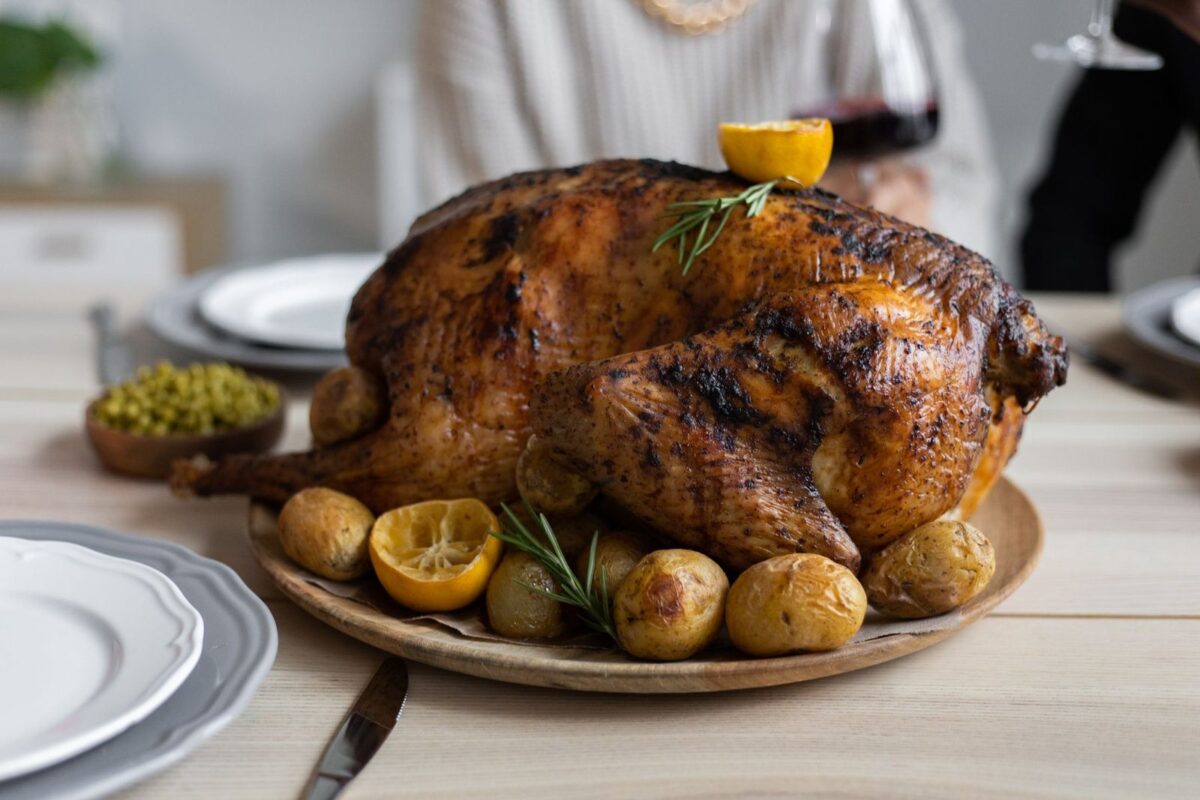
One of the simplest ways grocery stores handle unsold Thanksgiving turkeys is by reducing their prices.
Before the holiday, stores often advertise special turkey prices to attract customers. Once Thanksgiving passes, remaining fresh birds may be discounted to encourage shoppers to purchase them.
This can create opportunities for people who enjoy turkey but do not necessarily want to prepare it on Thanksgiving Day.
Some households deliberately wait until after the holiday to look for discounted poultry. Others purchase additional birds to freeze for future meals.
Discounts can vary by retailer, remaining inventory, and product condition.
For bargain hunters, the days immediately following Thanksgiving can therefore be worth checking.
Related: 4 “Polite” Thanksgiving Habits Everyone Secretly Finds Rude
Frozen Turkeys May Be Saved for Christmas
Not every turkey needs to be sold before Thanksgiving.
Frozen birds last longer than fresh poultry when kept continuously at the proper freezing temperature.
That means grocery stores may retain suitable frozen inventory and offer it to customers during the Christmas shopping season.
Thanksgiving and Christmas are two major occasions when American households traditionally prepare turkey, so retailers can sometimes use the remaining inventory to meet demand for the next holiday.
The important distinction is that frozen products must remain properly stored. Retailers cannot simply leave poultry in unsuitable conditions and assume it will remain safe until December.
For shoppers, this also explains why turkey displays may stay well stocked even after Thanksgiving.
Some Turkeys Are Taken to the Butcher for Smaller Cuts
A whole turkey can be a large purchase, especially for someone who only needs enough meat for a small household.
Rather than selling every remaining bird whole, some grocery stores send unsold turkeys to their meat departments for processing.
The birds can be separated into smaller portions, including:
- Turkey breasts.
- Thighs.
- Drumsticks.
- Wings.
- Other usable cuts.
This gives customers more choices and lets stores sell products that may appeal to people who don’t want to buy an entire turkey.
A 2013 report from NBC Right Now documented this approach at Wray’s Grocery Store in Washington state. The store’s owner explained that remaining Thanksgiving turkeys were sent to the butcher, where they were separated into individual cuts for sale.
This is a practical way to use remaining inventory rather than relying entirely on whole-bird sales.
Some Surplus Turkeys Are Donated to Food Banks
Another possible destination for unsold turkeys is a charitable organization.
Some grocery retailers work with food banks and community organizations to distribute surplus poultry to people who need assistance.
One notable example involved Giant Food in the Washington, D.C., region. According to reporting by Tasting Table, the retailer donated 11,000 turkeys in 2023, supporting community organizations.
These arrangements can help retailers reduce food waste while providing valuable food to households facing financial difficulties.
However, donating poultry requires careful planning. Frozen and fresh products must be handled properly, and receiving organizations need suitable refrigeration or freezer capacity.
The U.S. Food and Drug Administration encourages food retailers to donate wholesome surplus food while following appropriate food-safety procedures.
Not every food bank accepts frozen turkey donations, so retailers generally need established arrangements with organizations that can receive and store the products safely.
Related: Boomer Cooking Habits That Younger Generations Don’t Get
Some Stores Repurpose Turkey for Prepared Foods
Grocery stores with in-house kitchens and prepared-food departments may have another option.
Depending on their facilities, food-safety procedures, and inventory policies, some retailers can use suitable surplus poultry in prepared meals.
For example, turkey can be incorporated into sandwiches, salads, soups, and other ready-to-eat products.
This approach allows stores to offer customers something different from a whole Thanksgiving bird.
However, there is an important distinction between repurposing suitable inventory and attempting to rescue food that has already become unsafe.
Stores must follow food-safety requirements, including appropriate temperature controls and handling procedures. Not every unsold turkey can be used this way.
The practice also varies between retailers, since some stores have prepared-food departments while others do not.
Unfortunately, Some Turkeys Still Become Food Waste
Despite efforts to sell, store, donate, or repurpose surplus poultry, not every turkey finds another destination.
Some products may become unsuitable for sale because of damaged packaging, temperature-control problems, or other food-safety concerns.
In those circumstances, stores may have to discard the products rather than risk selling or donating unsafe food.
Food-waste researchers have identified several possible destinations for unsold grocery products, including donations, animal feed, composting, anaerobic digestion, and disposal.
The ReFED food-waste research framework also identifies grocery donations and other recovery programs as important ways retailers can divert surplus food from landfills.
This means that while stores have several options, there is no guarantee that every remaining turkey will be sold or donated.
Why Grocery Stores Order More Turkeys Than They Expect to Sell
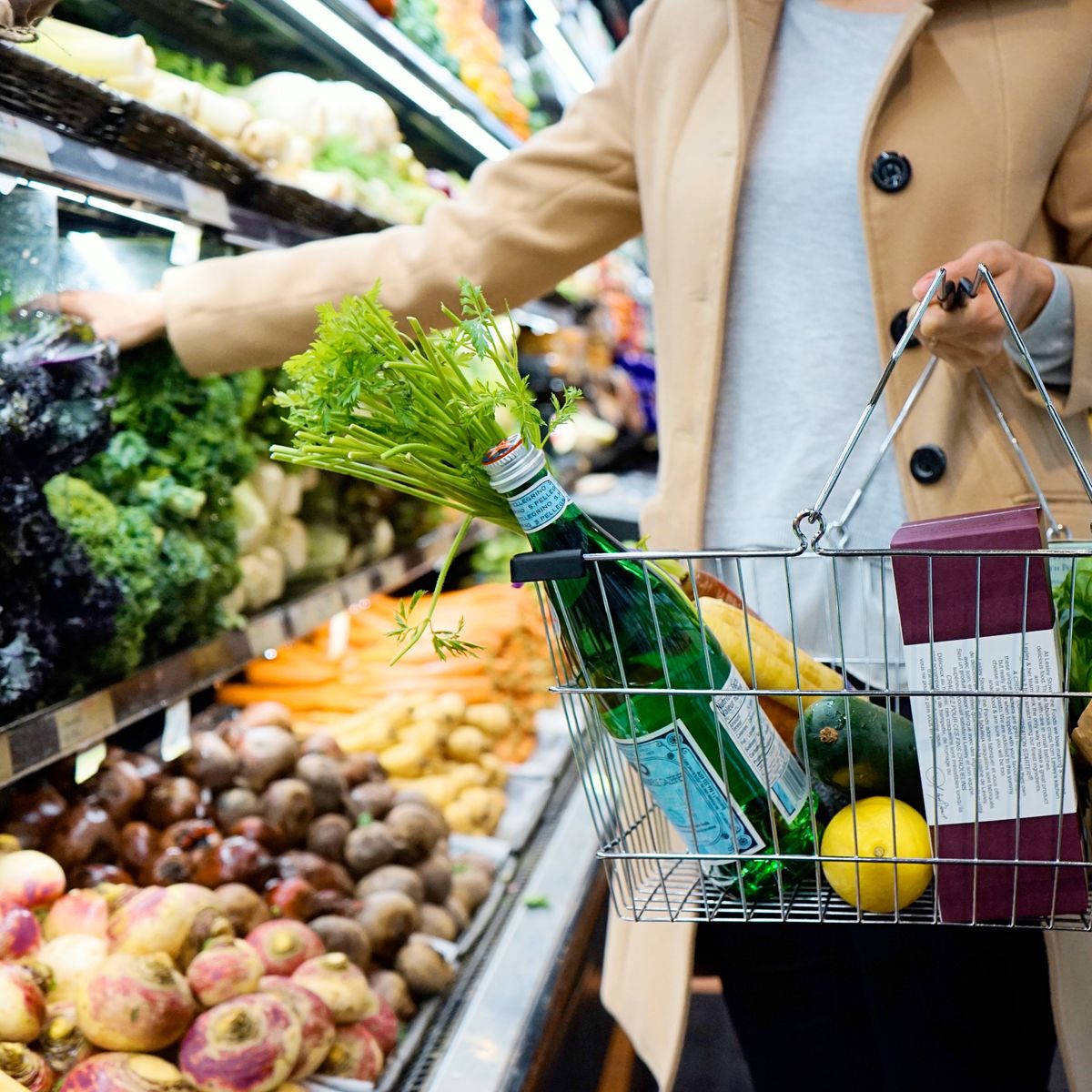
You might wonder why supermarkets don’t simply order the exact number of turkeys they expect customers to buy.
The problem is that holiday demand is hard to predict.
Some families buy their birds weeks before Thanksgiving, while others buy at the last minute. Promotions, weather conditions, local preferences, and changes in household plans can also influence sales.
If a store orders too few turkeys, customers may find empty shelves during one of the busiest grocery-shopping periods of the year.
Ordering slightly more inventory can help retailers avoid that problem, although it may leave some products leftover.
Stores therefore have to balance two competing concerns: keeping enough turkeys available for customers while avoiding excessive unsold inventory.
Related: 4 Foods Everyone Hated Until They Tried Them the Right Way
The Next Time You See a Discounted Turkey, Here’s What to Remember
The days after Thanksgiving can provide an opportunity to find poultry at reduced prices, but shoppers should still pay attention to storage and handling information.
A discounted turkey isn’t automatically unsafe, just as an expensive one isn’t automatically better.
The FDA explains that surplus food can remain safe to eat when it has been handled and stored properly. However, damaged packaging and improper temperature control can create safety concerns.
For frozen birds, check that they have remained frozen and that the packaging is intact. For fresh poultry, follow the product’s storage instructions and use it within the recommended period.
The larger lesson is that grocery stores have more options than simply throwing away every turkey that fails to sell before Thanksgiving.
Some birds become Christmas purchases, some are divided into smaller cuts, and others help support charitable food programs.
Have you ever bought a discounted turkey after Thanksgiving, or do you usually wait until the next holiday season to purchase one?