Why More Young Adults Are Renting Instead of Buying Homes
For many young adults, the American dream has not disappeared. It has simply become too expensive to reach on schedule.
Buying a home once felt like the natural next step after getting a stable job, starting a family, or settling into a city. Today, that path feels less certain. More young adults are renting longer, not because they hate homeownership, but because the numbers often do not work in their favor.
The modern housing market has turned patience into a survival strategy. Between high home prices, costly mortgage payments, student debt, uncertain careers, and the pressure to stay flexible, renting has become the practical choice for many Americans trying to build a life without drowning in financial risk.
Home Prices Have Moved Faster Than Paychecks
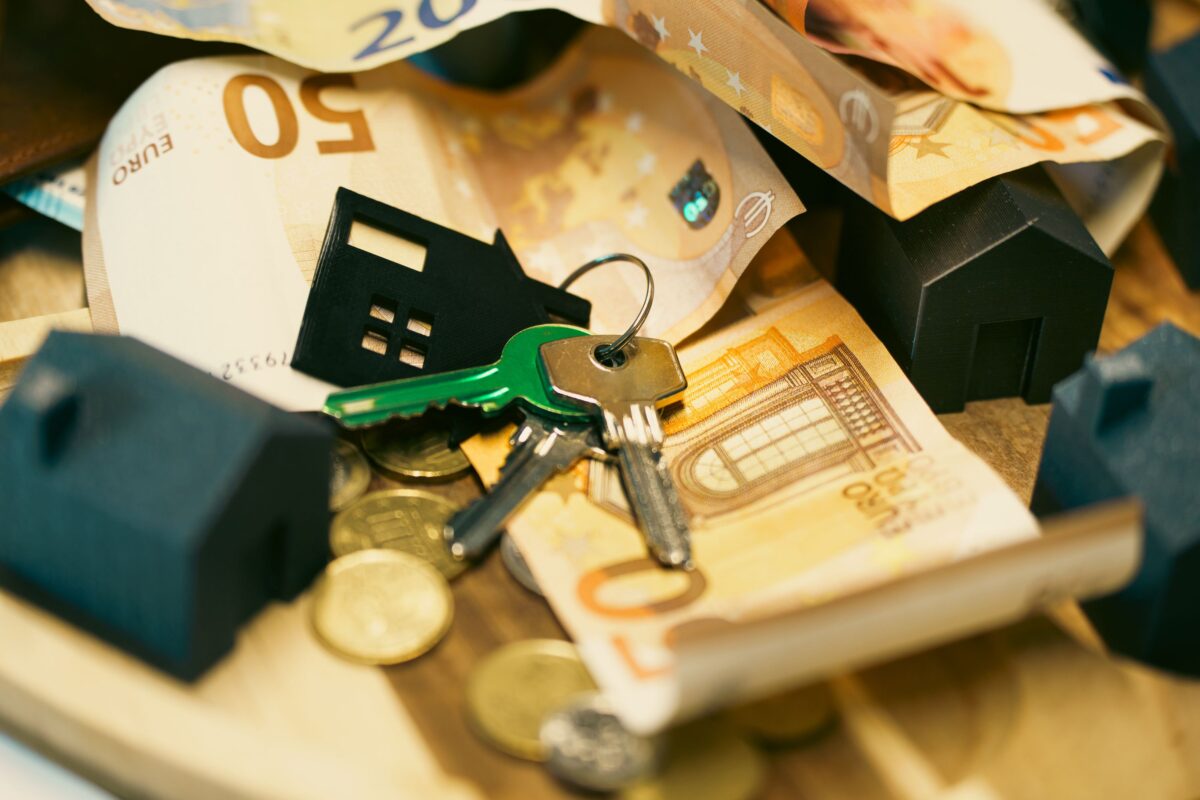
The biggest reason young adults are renting longer is simple: homes cost too much.
In many cities, the price of a starter home no longer feels like a starter price. What used to be a modest first step into ownership now comes with a monthly payment that can swallow a large share of income. Even young adults with decent jobs often find themselves priced out before they ever make an offer.
This creates a frustrating gap. They may be earning more than their parents did at the same age, but housing costs have risen faster than wages in many markets. A paycheck that looks solid on paper can quickly feel small when compared with mortgage payments, insurance, taxes, repairs, and closing costs.
Renting becomes the safer choice because it keeps the dream alive without forcing a financial leap too early.
The Down Payment Feels Like a Wall

For many young adults, the monthly mortgage is only part of the problem. The down payment is the wall they cannot climb.
Saving thousands of dollars is hard when rent, groceries, transportation, health care, and debt payments already take up most of the budget. Even disciplined savers can feel like they are running on a treadmill. They save for months, only for prices to rise again. They cut spending, then an emergency wipes out progress.
This is why renting continues to dominate the lives of young workers. It gives them a place to live without requiring a massive upfront payment. It may not build equity, but it also does not demand a giant check before the keys are handed over.
For many, renting is not a failure. It is a pause button.
Student Debt Still Shapes Big Decisions

Student loans continue to influence how young adults think about homeownership. Even when payments are manageable, debt changes how lenders view borrowers and how borrowers view themselves.
A young adult carrying student debt may hesitate to add a mortgage on top of existing obligations. They may worry about job loss, rising costs, or being trapped in a home before their finances are strong enough.
This is especially true for people who entered adulthood during years of economic uncertainty. Many watched as layoffs, inflation, shifts to remote work, and rising living costs reshaped the financial rules. That experience made caution feel smart.
Renting allows them to keep more options open while they work through debt and build stronger savings.
Flexibility Matters More Than It Used To
Older generations often saw buying a home as a sign of stability. Younger adults still value stability, but they also value flexibility.
Careers are less predictable now. Many people change jobs, cities, industries, and work arrangements more often than previous generations did. Remote work has also changed how people think about location. A city that makes sense today may not make sense two years from now.
Buying a home can feel like locking into a life that is still changing. Renting gives young adults room to move for better jobs, lower costs, relationships, family needs, or lifestyle changes.
For a generation raised in an unstable economy, flexibility is not a luxury. It is protection.
Maintenance Costs Scare First-Time Buyers
Owning a home sounds exciting until the roof leaks, the water heater fails, or the air conditioner breaks in the middle of summer.
Young adults understand that homeownership comes with hidden costs. A mortgage payment may be predictable, but repairs are not. One major problem is that it can quickly drain savings, especially for first-time buyers who have already spent most of their cash on the down payment and closing costs.
Renting shifts the burden to the landlord. If something breaks, the renter is not usually responsible for paying thousands of dollars to fix it.
That peace of mind matters. Many young adults would rather rent a smaller place they can afford than buy a home that turns every repair into a financial emergency.
Lifestyle Priorities Are Changing
Not every young adult wants the same version of success their parents wanted. Some want to travel. Some want to build businesses. Some want to stay close to city centers. Some do not want yards, long commutes, or decades of mortgage pressure.
For many, renting fits their lifestyle better. It can offer access to walkable neighborhoods, public transit, restaurants, nightlife, gyms, and workplaces without the cost of buying in those same areas.
This does not mean young adults are careless with money. It means they are weighing freedom against ownership. For some, the ability to live where life feels full is worth more than owning a house far from everything they enjoy.
Renting Can Feel Less Risky Than Buying

Homeownership is often described as the safer long-term choice, but for many young adults, buying now feels risky.
They worry about overpaying in a tight market. They worry about getting stuck with a high mortgage. They worry about buying a home that loses value or needs expensive repairs. They worry about being tied to one place while their careers are still developing.
Renting may not create wealth the same way ownership can, but it offers a different kind of safety. It gives people time to study the market, improve their credit, save more money, and decide where they truly want to settle.
In a difficult economy, waiting can be a form of wisdom.
The Dream Has Changed, Not Disappeared

It is easy to say young adults do not care about buying homes anymore. That is not the full truth.
Many still want homeownership. They want space, stability, privacy, and the chance to build wealth. But they also want to buy without wrecking their finances. They want a home to feel like progress, not punishment.
That is why renting has become the longer road for many young Americans. It is the bridge between where they are and where they hope to be.
The problem is not a lack of ambition. It is a housing market that has made ambition more expensive.