State Department Diplomatic Mission Closures Trigger Debate Over America’s Global Influence and Strategic Future
A diplomatic building can appear ordinary from the outside, but behind its walls exists a network of relationships, intelligence gathering, economic connections and emergency support systems. The planned State Department diplomatic mission closures across Africa, Asia and the Western Hemisphere have therefore become a debate about far more than government spending.
The Trump administration says the closures are part of an effort to reduce costs, eliminate inefficiencies and create a more focused diplomatic structure. Officials argue that America’s global presence must adapt to changing priorities and that resources should move toward regions where they create the greatest strategic value.
Critics, however, warn that closing diplomatic missions could create long-term challenges. They argue that smaller posts often provide important benefits that cannot be measured only through staffing numbers or operating budgets. These missions build relationships, collect local knowledge, and provide direct assistance when unexpected events occur.
The planned State Department diplomatic mission closures involve five locations: the U.S. Embassy in Grenada; the U.S. consulates in Nagoya, Japan, and Medan, Indonesia; the American Presence Post in Winnipeg, Canada; and an embassy branch office in Douala, Cameroon.
The decision reflects a larger question about American foreign policy. Can Washington reduce its diplomatic footprint while protecting the influence it has built over decades?
A Cost-Cutting Decision That Could Carry a Larger Price
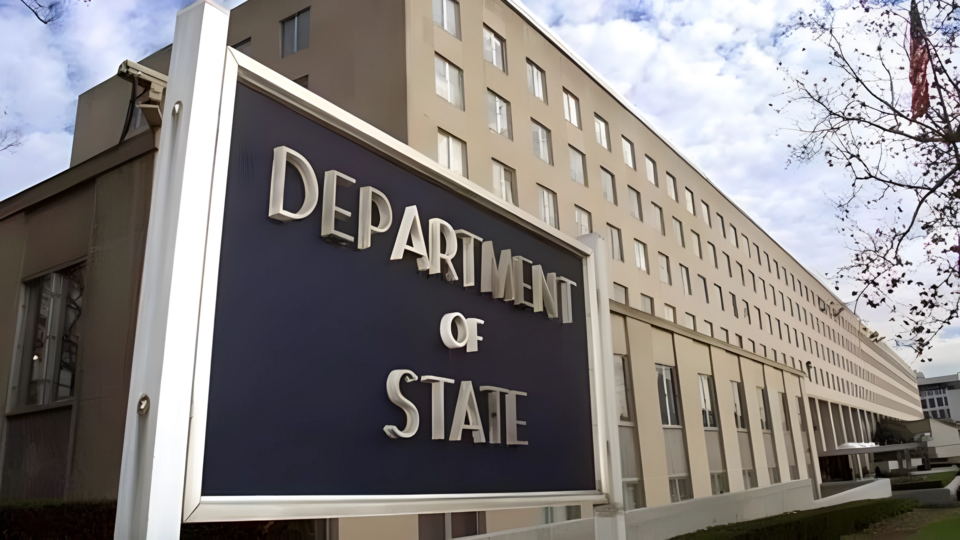
The administration’s argument behind the State Department diplomatic mission closures centers on efficiency. Supporters believe the State Department operates an extensive overseas network that requires significant funding, security resources and personnel.
Secretary of State Marco Rubio has emphasized the importance of creating a diplomatic system that is more effective and less burdened by unnecessary bureaucracy. From this perspective, smaller missions with limited staffing can be reorganized without damaging America’s ability to engage internationally.
The logic is based on concentration. Instead of maintaining every existing location, the United States can direct more resources toward countries and regions considered critical to national security, economic competition and global stability.
However, diplomacy does not function like a traditional government expense program. A mission’s value often comes from relationships that develop quietly over many years.
A small diplomatic office may employ only a few people, but those employees often maintain direct connections with local officials, business leaders, universities and community organizations. Those relationships can become extremely valuable during political changes, natural disasters or security emergencies.
Critics of the State Department diplomatic mission closures argue that the savings may be easy to calculate, while the potential losses are harder to measure.
The concern is not only about buildings closing. It is about whether America loses visibility in places where influence depends on consistent engagement.
Five Missions That Reveal a Changing American Strategy
The five diplomatic locations targeted for closure represent different regions and different strategic roles. Their differences explain why the decision has created such a complex debate.
The U.S. Embassy in Grenada represents direct diplomatic relations with a Caribbean partner. The Nagoya consulate connects American officials with one of Japan’s most important manufacturing regions. The Medan consulate provides access to northern Sumatra, a major economic area in Indonesia.
The American Presence Post in Winnipeg represents a smaller approach to regional outreach. The Douala embassy branch office connects the United States with Cameroon’s largest commercial city and a key Central African trade center.
The variety of these locations demonstrates why critics oppose evaluating them only through budget calculations. A small embassy or consulate may serve a purpose that cannot easily be transferred elsewhere.
For example, a regional office can understand local concerns in ways that a distant embassy may struggle to replicate. Officials who live in a region often develop deeper knowledge of political trends, economic shifts, and community priorities.
The State Department diplomatic mission closures represent a move toward a more centralized diplomatic model. The success of that model will depend on whether larger offices can maintain the same level of connection.
The Empty Space Problem: Who Gains When America Steps Back?
One of the most significant concerns surrounding the State Department diplomatic mission closures involves international competition.
Diplomatic influence is often built through presence. Countries gain trust and access by consistently showing up, meeting local leaders and maintaining long-term partnerships.
Critics argue that when the United States closes a mission, other countries may find more opportunities to expand their own influence.
China has increased its diplomatic and economic engagement in Africa, Southeast Asia and the Caribbean. Through infrastructure projects, trade partnerships and political relationships, Beijing has created stronger connections in many regions where Washington also competes for influence.
The concern is not that another country will immediately replace the United States. International influence rarely changes overnight. Instead, critics warn about gradual shifts. A country that maintains regular contact with local governments and communities may gain advantages over one that becomes less visible.
The timing of the State Department diplomatic mission closures has increased these concerns because global competition is becoming more focused on regional relationships. Africa, Southeast Asia and the Caribbean have become important areas for economic partnerships, technology cooperation, energy investment and security collaboration.
Supporters of the closures argue that America can remain competitive by focusing resources where the stakes are highest. Critics believe that influence requires presence before competition reaches a crisis point.
The Americans Who Could Feel the Impact First
Diplomatic closures affect more than foreign governments. They also influence Americans who travel, work, study, or live overseas.
Embassies and consulates provide services that many citizens do not think about until they need them. They assist with passport emergencies, support citizens during crises, and help Americans navigate unfamiliar legal and political environments.
A diplomatic office may seem like a distant government institution, but during an emergency it can become a direct connection between citizens and their country.
The State Department diplomatic mission closures raise concerns about whether Americans will experience longer travel distances, fewer appointments, and reduced access to support. Technology has changed how governments provide services. Online systems can make communication faster and more convenient.
However, critics argue that technology cannot fully replace physical presence. A digital platform can provide information, but it cannot always replace local understanding or immediate assistance.
The challenge for the State Department will be maintaining effective services after responsibilities move to larger regional centers.
Nagoya’s Closure Highlights the Importance of Economic Diplomacy
The planned closure of the U.S. consulate in Nagoya demonstrates how diplomacy connects directly with economic interests.
Nagoya is located in one of Japan’s most important industrial regions. The area has a strong presence in automotive manufacturing, advanced technology, aerospace, and global supply chains.
The region’s importance extends beyond Japan’s borders. American companies and investors rely on relationships with Japanese industries that operate far from Tokyo.
A local U.S. diplomatic presence helps support those connections. Diplomats often engage with businesses, universities and regional officials to strengthen economic cooperation. The closure does not end America’s relationship with Japan. The United States will continue working through its embassy in Tokyo and other facilities.
However, critics argue that removing a local office could reduce opportunities for direct engagement. The State Department diplomatic mission closures raise a broader economic question: Can diplomacy remain effective when it becomes increasingly concentrated in national capitals?
Modern economies are shaped by regional centers, not only government headquarters. Industrial cities and commercial hubs often determine the direction of global trade.
Medan’s Closure Raises Questions About Southeast Asian Influence
The planned closure of the Medan consulate comes as Southeast Asia becomes increasingly important in global affairs.
Indonesia plays a major role in regional security, trade and economic development. Its geographic position between the Indian and Pacific Oceans gives it strategic importance.
Medan serves as a major economic center in northern Sumatra. The region is connected to agriculture, energy production, transportation and international trade. A local American diplomatic presence provides direct access to regional officials, businesses and communities.
Critics argue that closing the Medan consulate could reduce America’s visibility in a region where China has strengthened its economic relationships.
The administration argues that larger diplomatic facilities can manage these responsibilities effectively. The challenge will be proving that centralized diplomacy can maintain the same depth of understanding as local engagement.
Douala Closure Raises Concerns About America’s Africa Presence
The closure of the Douala embassy branch office comes at a time when Africa has become increasingly important in global competition. Douala is Cameroon’s largest city and a major commercial center. Its port supports regional trade and connects Cameroon with neighboring economies.
The city’s importance is not limited to business. It also provides access to political, social, and economic developments across Central Africa. Supporters of the closure argue that the U.S. Embassy in Yaoundé can continue representing American interests.
Critics believe that removing a presence in Douala could reduce America’s ability to understand regional developments quickly. Africa has become a major focus for international partnerships. Countries are competing for influence through infrastructure, technology, energy and investment.
The State Department diplomatic mission closures therefore raise questions about whether reducing local access could affect America’s ability to compete for future partnerships.
Grenada Closure Sends a Message Beyond Numbers
The planned closure of the U.S. Embassy in Grenada carries symbolic importance because embassies represent more than administrative operations. They represent commitment, partnership and visibility.
Although Grenada is a small Caribbean nation, the region remains strategically important because of security cooperation, maritime routes and international competition.
Critics argue that closing the embassy could create concerns among Caribbean partners about America’s long-term commitment. The administration maintains that diplomatic relations will continue through alternative arrangements.
However, international relationships are shaped by perception as well as policy. A physical embassy often serves as a visible reminder of cooperation. Removing that presence may influence how countries interpret America’s priorities.
The Information Gap Created When Diplomats Leave

Another major concern surrounding the State Department diplomatic mission closures involves information gathering.
Diplomatic missions do more than provide public services. They help Washington understand political developments, economic changes, and social trends. Local diplomats often recognize early warning signs before they become international issues.
Critics argue that reducing the number of overseas posts could weaken America’s ability to understand events as they unfold.
A larger embassy can receive reports from smaller countries or regions, but critics argue that local presence provides a level of awareness that distance cannot easily replace.
Supporters believe modern technology and communication systems can close many of these gaps. The debate reflects a larger question about the future of diplomacy. Can digital communication replace the human relationships that have traditionally shaped international engagement?
America’s Diplomatic Future Will Be Defined After the Closures
The impact of the State Department diplomatic mission closures will not be measured only by immediate savings.
The true test will be whether America can maintain strong relationships, protect citizens abroad, and compete effectively in regions where global influence is becoming more contested.
Closing a diplomatic mission is a simple administrative decision compared with rebuilding trust after years of reduced engagement.
The Trump administration believes a smaller and more focused diplomatic network will make America stronger. Critics warn that influence can disappear slowly, without an obvious moment when it is lost.
The debate surrounding these closures reflects a larger challenge facing the United States. In a world where competition is increasing and partnerships are constantly shifting, America must decide whether global leadership depends more on efficiency or continued presence.
The answer will determine whether these closures become an example of strategic modernization or a decision that creates consequences far beyond the savings found in the budget.