Willie Nelson, 93, Sends Emotional Message as he Prepares to ‘Fight’: Country Legend Sounds the Alarm Over the Future of America’s Farmland.
At 93 years old, Willie Nelson is still fighting for what he says matters most: family farms, open land, and the communities that have defined America’s rural identity for generations. In a new open letter, the country music legend is warning that the rush to build massive data centers could permanently change the landscape he has spent decades protecting.
For most artists, reaching their 90s means reflecting on a lifetime of achievements. For Willie Nelson, it means stepping into another battle.
The Texas-born singer, songwriter, and longtime activist has never been known for staying silent when he believes something important is at stake. From fighting for struggling farmers through Farm Aid to speaking out on environmental issues, Nelson has spent much of his life defending rural America.
Now, his attention has turned toward a new challenge: the rapid expansion of artificial intelligence infrastructure and the massive data centers being built to power it.
In an emotional open letter, Nelson raised concerns about a proposed data center project near Abbott, Texas, the small town where he was born and where he still owns a home and farmland. His message was not simply about opposing a single construction project. Instead, it reflected a broader concern about what happens when technology growth begins to reshape communities that have long depended on agriculture and open spaces.
For Nelson, the fight is deeply personal. The land represents history, family, and a connection to the roots that shaped his legendary career.
Willie Nelson’s connection to the land runs deeper than music.
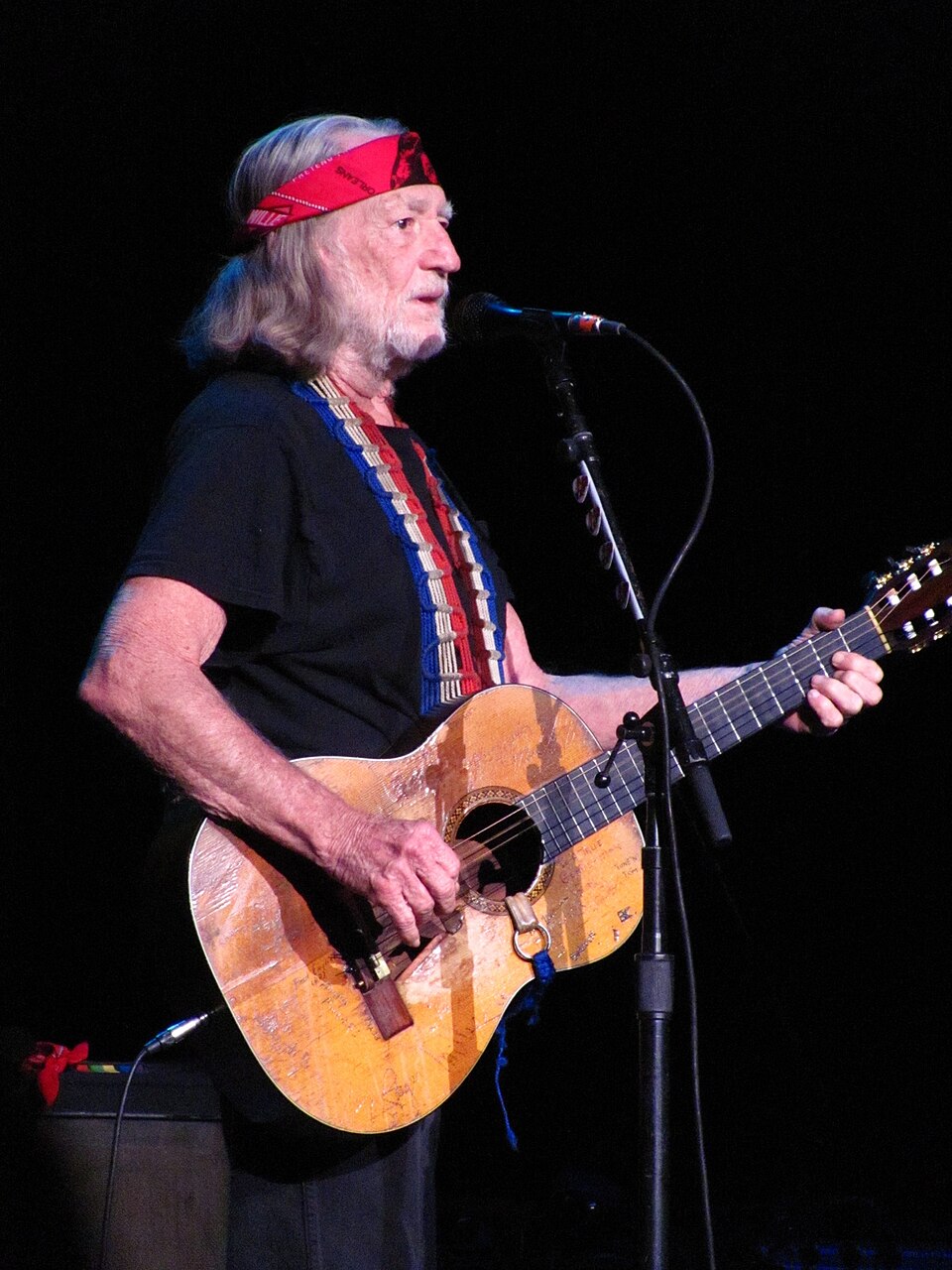
Long before Willie Nelson became a symbol of country music rebellion, he was a small-town Texan who understood the importance of the land around him.
Born in Abbott in 1933, Nelson grew up in a farming community where agriculture was not just an industry but a way of life. The rhythms of rural Texas influenced his music, his values, and his lifelong appreciation for the people who work the land.
That connection has remained a central part of his identity.
In 1985, Nelson helped establish Farm Aid alongside fellow musicians including Neil Young and John Mellencamp. The organization was created to support family farmers facing financial struggles and to raise awareness about the challenges affecting agricultural communities across the United States.
Over the decades, Farm Aid became one of the country’s most recognizable movements supporting independent farmers. Nelson has repeatedly argued that protecting farmland is about protecting families, traditions, and the future of rural America.
His latest concerns follow that same philosophy.
The growth of artificial intelligence has created enormous demand for data centers, facilities that store and process the information needed to power everything from online services to advanced AI systems. These buildings can cover large areas of land and require significant energy and water resources.
Supporters say these projects bring investment, jobs, and technological advancement. Critics, including some rural residents, worry about the long-term effects on their communities.
Nelson’s warning reflects that larger debate: whether economic development should move forward without changing the character of the places where it happens.
The AI boom is creating a new battle over rural America.

As artificial intelligence expands, the race to build data centers is putting technology companies and rural communities at the center of a growing national conversation.
Data centers have become the backbone of the digital economy. Every search, streaming service, cloud application, and AI tool depends on massive computing infrastructure operating behind the scenes.
The demand for these facilities has increased dramatically as companies invest billions of dollars into artificial intelligence. States such as Texas have attracted major development because of available land, energy resources, and favorable business conditions.
But the expansion has also created concerns.
Large data centers often require enormous amounts of electricity to operate. Many facilities also use water for cooling systems, raising questions in areas where water availability is already a concern.
Residents near proposed projects in several parts of the country have raised similar issues. They have questioned whether local communities receive enough benefits compared with the potential costs involving environmental changes, increased demand on utilities, and the transformation of rural landscapes.
Nelson’s message taps into those concerns.
His argument is not focused on rejecting technology itself. Instead, it centers on whether communities should have a stronger voice when large projects arrive and whether some places deserve protection from rapid industrial development.
That distinction is important because the debate is no longer only about artificial intelligence. It is about how America chooses to balance innovation with preservation.
For many rural residents, farmland represents more than space waiting for development. It represents history, food production, wildlife habitats, and a connection to previous generations.
Willie Nelson’s warning carries the weight of decades of activism.
Few public figures have spent as much time defending rural America as Willie Nelson, and his latest fight continues a message he has delivered for decades.
Nelson has never limited his activism to one issue. Throughout his career, he has spoken about agriculture, environmental protection, renewable energy, and the struggles faced by working Americans.
His annual Farm Aid concerts have brought together some of the biggest names in music while highlighting the challenges facing family farmers. The organization has helped direct attention toward issues such as fair prices for farmers, sustainable agriculture, and the survival of small farms.
Because of that history, many supporters see Nelson’s opposition to the data center development as another chapter in his lifelong mission.
At the same time, the conversation highlights a difficult reality. Communities across America are constantly weighing economic opportunities against concerns about preserving their identity.
A new data center can represent investment and jobs. But for residents who have spent generations connected to farmland, it can also represent a major shift in the landscape they know.
That tension is becoming more common as industries compete for land and resources.
The challenge facing policymakers and developers is finding a way to encourage innovation while respecting the concerns of the communities hosting these projects.
Nelson’s letter has brought renewed attention to that challenge because it comes from someone whose entire career has been built around telling stories about ordinary people, small towns, and the American experience.
A country legend still using his voice for what he believes.
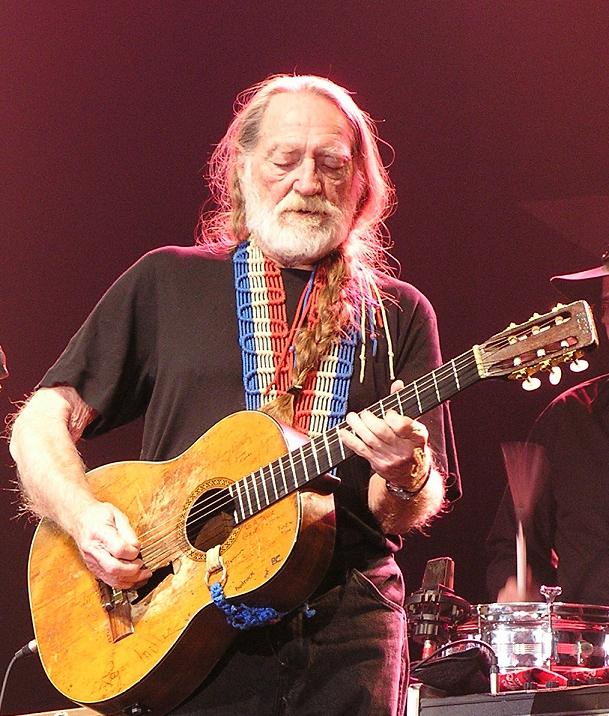
At an age when many people step away from public battles, Willie Nelson continues to speak out because he believes some fights are too important to ignore.
His latest message is not just about one construction project in Texas. It represents a larger question about the direction of the country.
As artificial intelligence transforms industries and creates demand for new infrastructure, America must decide how to handle the changes that come with that progress.
Will rural communities have enough influence over developments that reshape their surroundings? Can technology grow without overwhelming the landscapes and traditions that define certain regions?
Those questions will likely continue as more data centers are proposed across the country.
For Willie Nelson, the answer begins with respecting the land.
The same songwriter who spent decades capturing the emotions of working people and forgotten places is now warning that some things cannot be replaced once they disappear.
At 93, Nelson remains a powerful reminder that advocacy does not have an expiration date. His voice may have changed over the years, but his message remains familiar: protect the people, protect the land, and remember the communities that built America.