Yesterday’s Rice Has a Dinner Plan: The Fried Rice Trick That Makes Leftovers Worth Saving
A container of rice in the fridge can look like a side dish waiting for a purpose. Give it a hot pan, a few vegetables, and an egg, though, and it can become tonight’s main event. The trick is to start with rice that was chilled promptly, then break up the cold clumps so the grains can fry instead of sitting in a damp mound. You do not need a restaurant wok or a fridge full of specialty ingredients to make that plan work.
Why Yesterday’s Rice Works
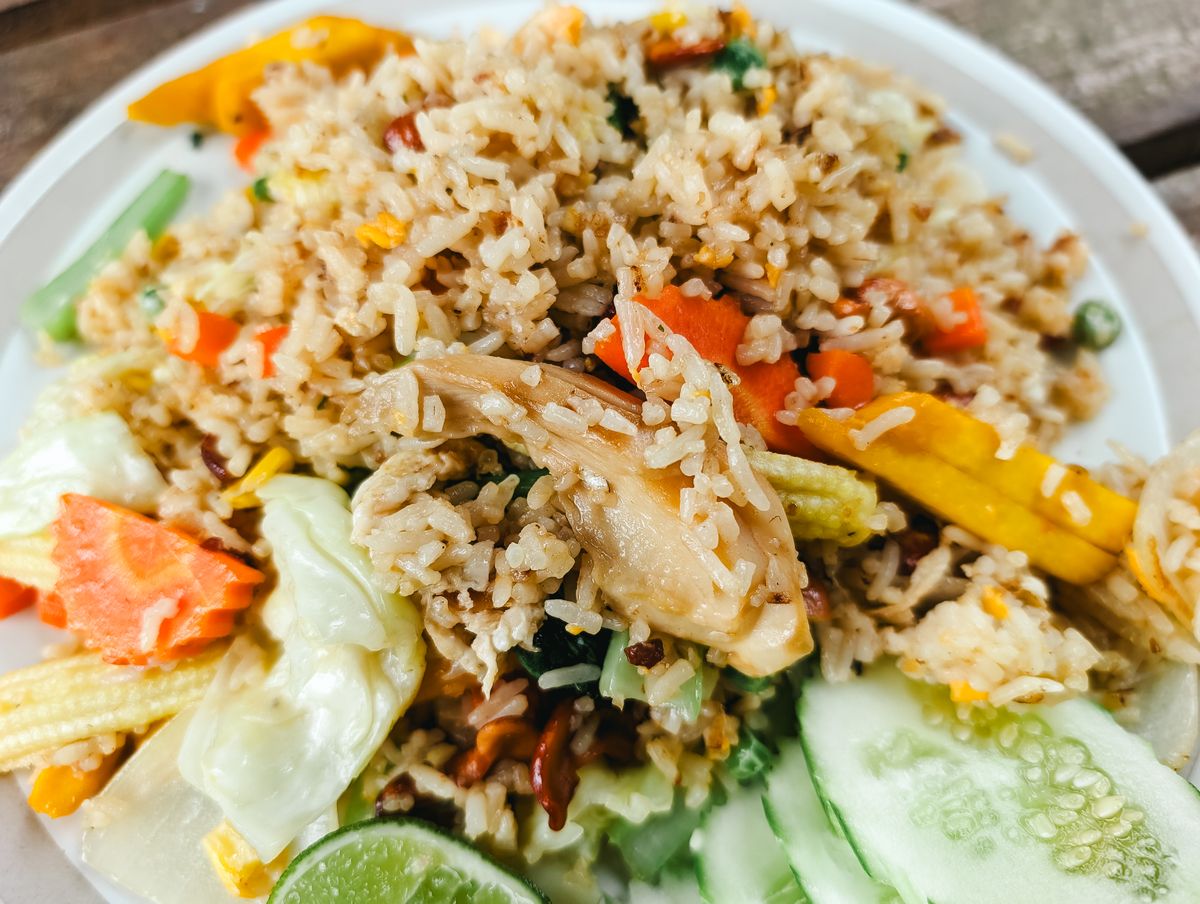
Cold leftover rice is useful because its surface has had time to dry, making the grains easier to separate in the pan. Freshly cooked rice carries more surface moisture, which can work against the texture you want when frying. Bill Leung, the experienced cook behind The Woks of Life’s fried-rice guide, makes the goal clear: “individual grains instead of soggy clumps.” Before heating the pan, gently loosen refrigerated rice with clean, slightly damp hands or a fork.
That does not mean rice must sit in the fridge overnight to qualify. Serious Eats notes that freshly cooked rice can also work if you spread it out in a wide, shallow layer to shed moisture before frying. For a dinner built around leftovers, however, the practical advantage is already waiting in the refrigerator. You can skip cooking a new pot and use that time to prepare the ingredients that will turn the rice into a meal.
One important distinction: “day-old” means properly refrigerated, not rice left on the stove since yesterday. University of Maine Cooperative Extension dietitian Alex Gayton explains that the concern with leftover rice is chiefly how it was cooled and stored. Uncooked rice can contain Bacillus cereus spores that survive cooking, and rice left at room temperature can become unsafe. Reheating may kill bacteria, but it will not reliably remove toxins that have already formed.
For a U.S. home kitchen, Gayton advises refrigerating cooked rice within two hours, or within one hour when the temperature is 90°F or higher. Divide a large batch among smaller containers so it cools faster, then keep it chilled until you are ready to cook. When reheating leftovers, use a food thermometer to check that they reach 165°F. If the rice sat out overnight, fried rice is not a rescue operation; throw it away.
Related: As England Bans Fried Foods in Schools to Curb Obesity, America Turns to GLP-1s for Teens
Build Dinner Before Heating the Pan
For an approachable version, set out cooked, chilled rice, eggs, vegetables, a little cooking oil, and soy sauce. Onion or scallion adds flavor, while frozen peas or finely diced carrots make easy vegetable choices. Cooked chicken or another properly stored, already-cooked protein can make the dish more substantial, but it is optional. The point is not to buy a long list of additions; it is to have everything ready because stir-frying moves quickly.
Keep ingredients in the order they will enter the pan. Firmer vegetables such as raw carrots need more cooking than frozen peas or chopped scallions, so they should not all go in at once. Leung recommends preparing each component before heating the wok or skillet and keeping longer-cooking vegetables separate from quick-cooking ones. His reassuring rule for the vegetable choices is simple: “You are the cook; you make the decisions!”
Start by scrambling the eggs in a little oil, then move them to a clean plate. Cook the onion and firmer vegetables next, letting them soften before adding the rice. Turn up the heat, add the loosened rice, and spread it across the pan so more grains touch the hot surface. Stir and break up remaining clumps, but give the rice brief moments against the pan between tosses if you want some lightly browned bits.
Add frozen peas once the rice is frying, then season with a modest splash of soy sauce and mix well. Return the cooked egg and any cooked protein, stirring until everything is heated through; finish with scallions if you have them. A little toasted sesame oil can go in after the pan comes off the heat, though the dish doesn’t depend on it. Taste before adding more soy sauce, since adding too much liquid can undo the effort you put into separating and frying the grains.
Make the Trick Fit Your Kitchen
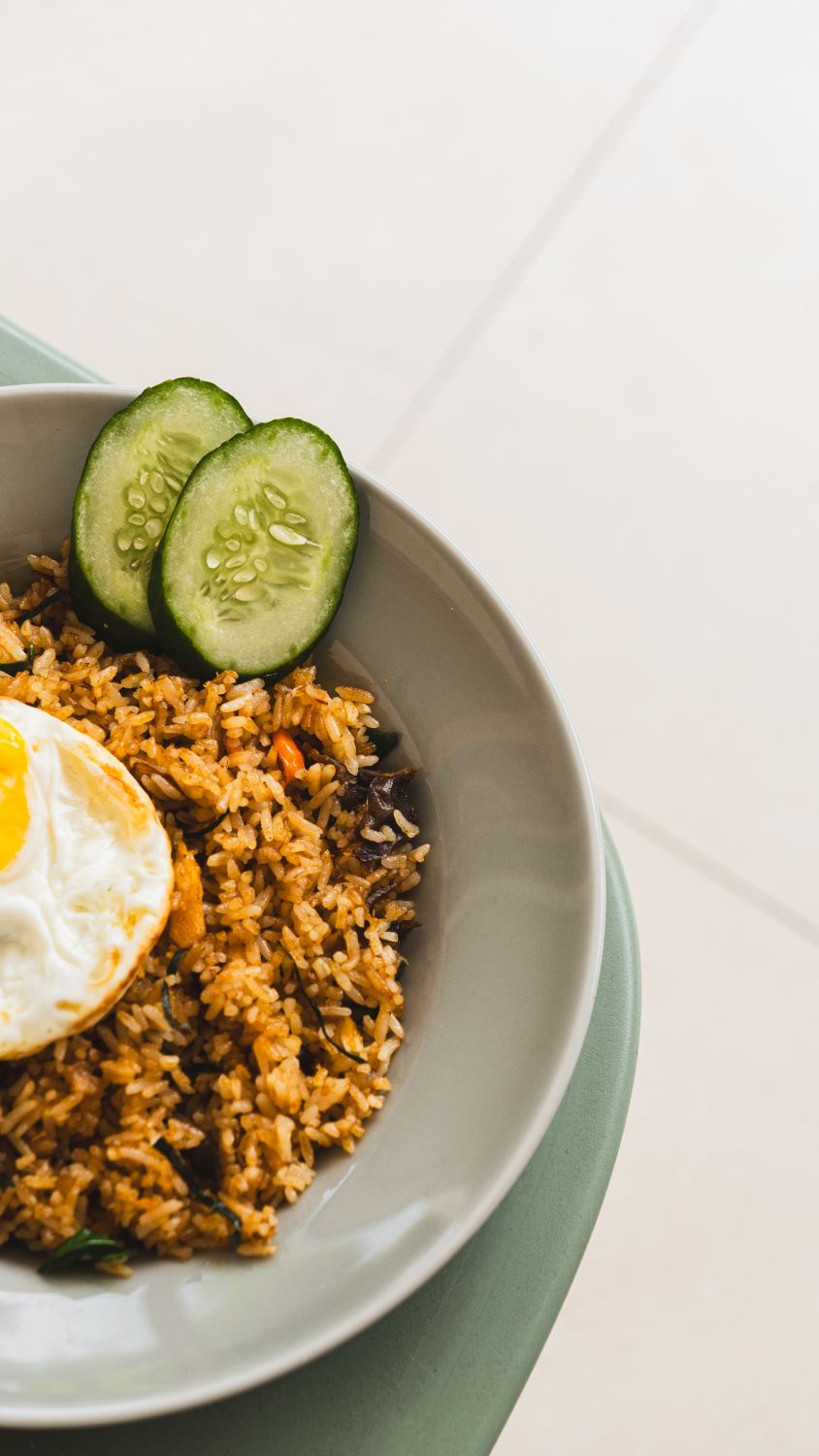
A wok is useful,but a large skillet is enough to make fried rice at home. Give the ingredients room: if the pan is crowded, divide the rice and cook it in smaller batches. The Woks of Life specifically recommends smaller batches when scaling up its fried-rice recipe. That may mean an extra round at the stove, but it is more useful than trying to force a big container of rice into a pan where it cannot fry evenly.
You can change the additions without changing the method. A handful of frozen mixed vegetables can replace chopping several fresh ones, and properly stored leftover roast chicken can go in near the end. If you prefer an egg-and-vegetable dinner, leave out the meat entirely. Keep the basic sequence: cook what needs longer first, fry the rice, then bring the finished components together, and the contents of your fridge can guide the rest.
The food-safety rules still apply after you cook the new meal. Heat the rice and other leftovers thoroughly, serve the fried rice promptly, and refrigerate any portion you are saving rather than leaving the pan on the stove. UK food-safety guidance takes an especially cautious approach to cooked rice, advising that it be chilled quickly, used within 24 hours and reheated no more than once. For the simplest next-day dinner, make only the amount you intend to eat tonight.
That is the real appeal of the trick: yesterday’s rice doesn’t need disguising, and tonight’s dinner doesn’t need a complicated recipe. Proper chilling makes the leftover suitable to use; separating the grains and frying them in stages gives the dish its satisfying texture. Vegetables, egg, and whatever suitable cooked additions you have turn the container into a complete plan. Instead of asking what to do with extra rice, you may find yourself glad you made extra in the first place.