You Grow Up With Thrifty Parents If You Remember These 8 Kitchen Habits
If you grew up with thrifty parents, you probably remember butter tubs filled with leftovers, grocery coupons scattered across the kitchen table, and the unmistakable instruction not to waste paper towels. Nothing useful disappeared into the trash without someone questioning it first.
Those everyday routines weren’t necessarily signs of financial hardship. For many families, they were simply practical ways to stretch grocery budgets, avoid unnecessary purchases, and make household supplies last longer. Some of those childhood habits still make surprisingly good sense today.
Empty Butter Tubs Became Storage Containers
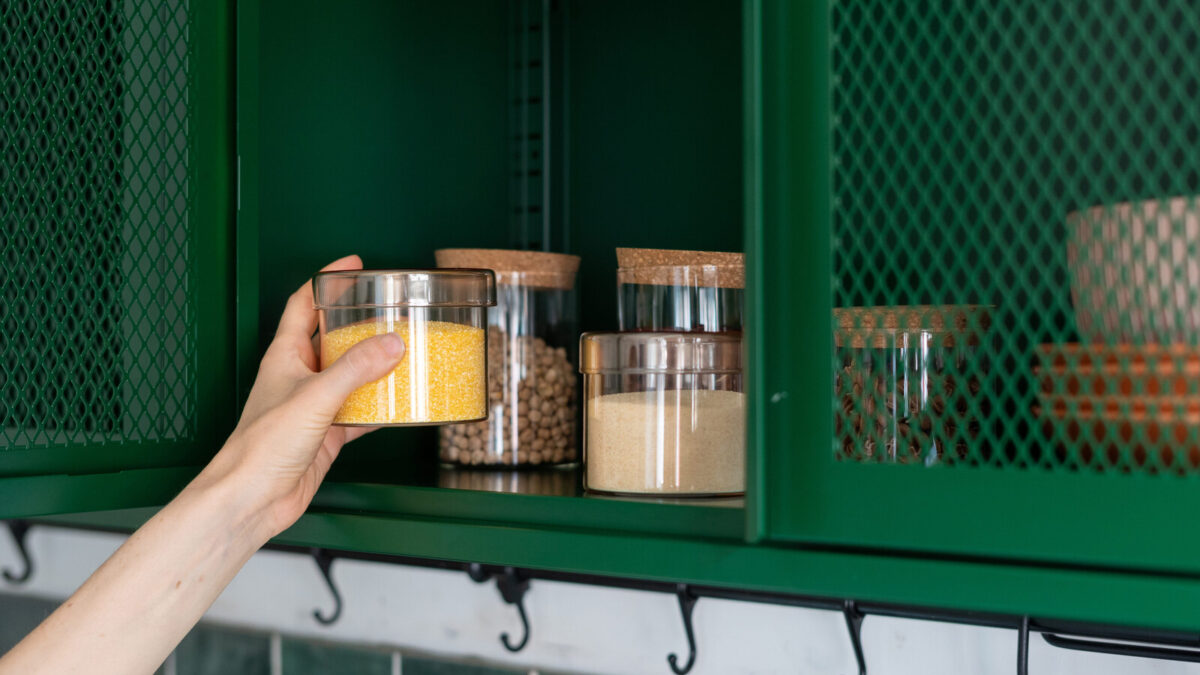
Opening a butter container and discovering something completely different inside was a familiar surprise in many thrifty kitchens.
Empty margarine tubs, coffee cans, and glass jars rarely went straight into the garbage. Parents washed them and found new uses, whether that meant organizing dry household supplies, storing small kitchen accessories, or collecting loose change.
The idea was simple: why purchase another organizer when something already available could do the job? This resourceful approach also shows up in frugal habits older generations still practice.
Today, repurposing suitable containers remains practical, although disposable packaging shouldn’t automatically replace containers designed for long-term food storage.
Leftovers Always Had a Second Appearance
In some households, Sunday’s roasted chicken had a surprisingly busy schedule. It might appear alongside potatoes for dinner, become sandwich filling the following afternoon, and eventually find its way into a pot of soup.
Thrifty parents often planned additional meals around cooked food instead of treating leftovers as an inconvenience. The trick was making the next meal feel different enough that nobody complained about eating the same thing again.
That approach still offers a useful way to reduce grocery waste. The U.S. government’s food storage guidance recommends refrigerating leftovers promptly and using cooked leftovers within four days. A little planning can turn yesterday’s dinner into tomorrow’s easy meal.
The Grocery List Stayed on the Refrigerator
Before shopping apps and digital reminders, many families relied on a handwritten list attached to the refrigerator with a magnet. Whenever the milk ran low, or someone used the last can of tomatoes, the item went on the list.
Shopping day usually began with checking the pantry and refrigerator to see what was already available. This prevented unnecessary purchases and helped parents stay focused at the grocery store.
The habit remains relevant today. These practical money-saving habits include making shopping lists and avoiding impulse purchases. Sometimes, better grocery budgeting starts with a pencil and a scrap of paper.
Grocery Coupons Were Clipped at the Kitchen Table
Remember watching your parents spread newspaper grocery advertisements across the kitchen table? They circled discounts, clipped coupons, compared store promotions, and occasionally organized everything inside a little envelope.
Shopping wasn’t always about choosing the nearest store. Sometimes, it involved checking where familiar household essentials cost less.
Of course, experienced bargain hunters understood that buying something unnecessary didn’t become sensible just because a coupon existed. The same principle applies to modern grocery-saving strategies involving discounts and coupons.
Today’s digital coupons make the process easier, but the underlying lesson hasn’t changed: compare the final price before deciding whether something is a bargain.
Homemade Snacks Replaced Expensive Convenience Packs
In a thrifty kitchen, snack time didn’t always involve opening a colorful package from the grocery store. You might remember a parent popping corn on the stovetop, baking a tray of cookies, or cutting a homemade cake into portions that lasted several days.
These snacks required more prep than grabbing individually packaged alternatives, but they let parents use ingredients already in the cupboard. Making food from scratch isn’t automatically cheaper, especially when recipes require expensive ingredients or a lot of prep time.
Still, simple homemade snacks can offer good value when families prepare only what they’ll actually eat. Sometimes, a big bowl of freshly popped popcorn was all anyone needed.
Paper Towels Were Reserved for Special Messes
If you reached for a paper towel to wipe up a few drops of water, a thrifty parent might have immediately handed you a dishcloth instead. Reusable kitchen towels were everyday essentials, while disposable paper products were used more selectively.
Old cotton shirts and worn towels sometimes became cleaning rags after they were no longer useful for their original purpose. These habits reflect broader old-fashioned kitchen expenses worth reconsidering.
Keeping washable cloths on hand for suitable cleaning jobs can reduce how often a household needs to replace disposable supplies. The lesson was memorable: not every small spill required something brand-new.
Lunches Were Packed Before Anyone Left Home
The kitchen counter often became a lunch-packing station before school or work. Sandwiches were wrapped, fruit was packed, and drinks were poured into reusable bottles. Some families used lunchboxes for years, replacing them only when necessary.
Buying lunch wasn’t necessarily forbidden, but bringing food from home was often the ordinary weekday routine, not an occasional money-saving challenge. That practice remains relevant as more people consider homemade lunches instead of regular takeout.
Packing lunch takes some planning, but it gives households more control over daily food spending. For many children, the familiar lunchbox represented a small daily lesson in household budgeting.
The Freezer Was Stocked With Grocery Store Bargains
For some thrifty parents, the freezer was almost as important as the grocery store itself. Extra loaves of bread, discounted meat, frozen vegetables, and other suitable ingredients found their way into carefully arranged freezer compartments.
The goal wasn’t simply to buy more food. It was to purchase useful items at favorable prices and preserve them for future meals. This approach also appears in everyday money-saving advice about stocking up on sale items.
Of course, buying extra only makes financial sense when there’s enough storage space and a realistic plan to use everything. A well-organized freezer could make a busy evening’s dinner much easier to prepare without another grocery trip.
Growing up with thrifty parents meant learning that saving money wasn’t always about spending less, but about getting more value from what your family already had.