Zoox Recalls Robotaxis After Software Issue Raises Questions About Autonomous Vehicle Safety
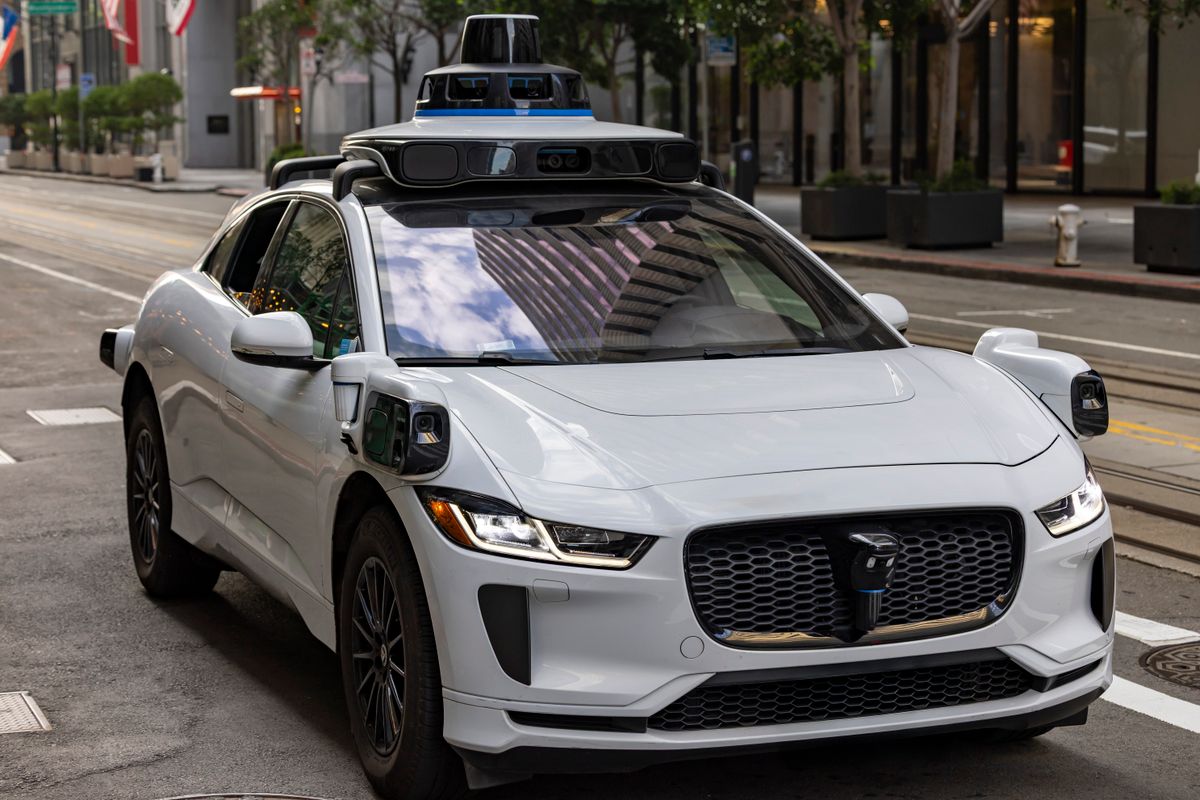
The future of self-driving cars is being tested by a simple but difficult question: how should a vehicle without a human driver react when the road suddenly becomes dangerous?
Zoox, the autonomous vehicle company owned by Amazon, is addressing that challenge after recalling its robotaxi fleet because of a software issue that may affect how vehicles respond to heavy smoke conditions.
The recall involves 105 autonomous vehicles, according to Reuters. Zoox is addressing the issue with a software update designed to improve how its vehicles handle smoke and emergency conditions.
The incident highlights a broader challenge facing the autonomous vehicle industry. While self-driving technology continues to improve, companies must prepare vehicles for unusual events that happen outside normal driving conditions.
A Real-World Situation Put Zoox Technology To The Test
The issue came to attention after a Zoox vehicle encountered an active fire scene on June 20. According to Reuters, the vehicle entered an area with heavy smoke, then braked sharply, and was later moved with assistance from a remote operator.
The event did not result in any reported injuries, but it provided important information about how autonomous systems respond to unexpected conditions.
Traditional drivers often rely on experience and visual cues when approaching emergencies. Seeing smoke, emergency vehicles, or blocked roads can immediately signal a need to slow down or change direction.
For autonomous vehicles, those decisions depend on sensors, cameras, mapping systems, and software that interprets the environment around the vehicle.
Zoox Uses Software Update To Address The Issue

Unlike traditional vehicle recalls that often involve replacing physical parts, Zoox is addressing this issue through a software update.
Autonomous vehicles rely heavily on software that can be updated as companies learn from real-world driving experiences. These updates allow developers to improve how vehicles respond to situations that may not have been fully anticipated during earlier testing.
The recall reflects a common part of developing advanced technology. As autonomous vehicles operate in more real-world environments, companies continue to collect data and adjust their systems.
Zoox’s approach shows how software development has become a major part of modern vehicle safety and performance.
Why Smoke And Emergency Scenes Are Difficult For Self-Driving Cars
Emergency situations are among the most complicated challenges for autonomous vehicles.
Normal driving involves predictable patterns such as traffic signals, lane markings, and common road behavior. Emergency scenes can be much less predictable.
Smoke can reduce visibility, alter road conditions, and create situations in which vehicles must make quick decisions. A self-driving system must determine whether it should continue moving, stop, wait, or adjust its route.
The challenge becomes even more important as autonomous vehicles share roads with emergency responders.
Firefighters, police officers, and medical crews depend on drivers responding appropriately around active scenes. Autonomous vehicles must be able to recognize and safely navigate those environments.
The Bigger Test Facing The Robotaxi Industry
Zoox is one of several companies working to expand autonomous transportation. The industry has invested heavily in developing vehicles that can operate without a human driver, but real-world testing continues to reveal new challenges.
Supporters of autonomous vehicles argue that the technology has the potential to improve transportation by reducing human mistakes and creating new mobility options.
At the same time, regulators and the public continue to examine how these vehicles perform in unusual situations.
The question is not only whether a robotaxi can complete a normal trip. It is whether the vehicle can respond appropriately when something unexpected happens.
What This Means For The Future Of Autonomous Driving
The Zoox recall does not represent the end of autonomous vehicle development. Instead, it shows the ongoing process of improving a technology that is still evolving.
Every unusual situation provides companies with more information about how autonomous systems perform outside controlled testing environments.
For passengers and the public, safety remains the most important measure of success. A self-driving vehicle must not only navigate familiar roads but also understand complicated situations where human judgment has traditionally played a major role.
As companies continue to expand robotaxi services, the industry faces a defining challenge: building vehicles that are not only capable of driving themselves but also of making the right decisions when the unexpected happens.
The question many people will continue asking is: how much trust should we place in autonomous vehicles before they prove they can handle every unpredictable moment on the road?