Trump Threatens New Tariffs on Canada Over Wildfire Smoke as Cross-Border Tensions Rise

A cloud of wildfire smoke has once again crossed the U.S. Canada border, but this time the response is not only about air quality. President Donald Trump has turned the issue into a trade dispute, warning that Canada could face additional tariffs over what he described as the economic and health costs of wildfire pollution reaching American communities.
Trump’s comments have opened a new debate about who should be responsible when environmental disasters cross national borders. While officials on both sides agree that wildfire smoke is affecting millions of people, they disagree over the causes, solutions, and whether tariffs are the right response.
Trump Says Canada Could Face More Tariffs Over Smoke
On July 17, 2026, Trump criticized Canada’s handling of wildfires and said the United States should consider adding the cost of wildfire-related impacts to existing tariffs on Canadian goods.
Trump argued that Canada’s forest management policies contributed to the worsening smoke conditions affecting parts of the United States. He described the smoke as harmful to Americans and said Canada should face financial consequences.
“I will be calling the Prime Minister of Canada to let him know that this is unfair and that the cost of this pollution must be added to the tariffs that Canada pays,” Trump said, according to Rueter.
However, Trump did not announce a specific tariff percentage, a list of targeted products, or an official executive action. At this stage, the statement represents a threat rather than a confirmed trade measure.
The White House has not released a detailed calculation explaining how the cost of wildfire smoke would be measured or collected through tariffs.
Wildfire Smoke Creates Health Concerns Across The U.S.
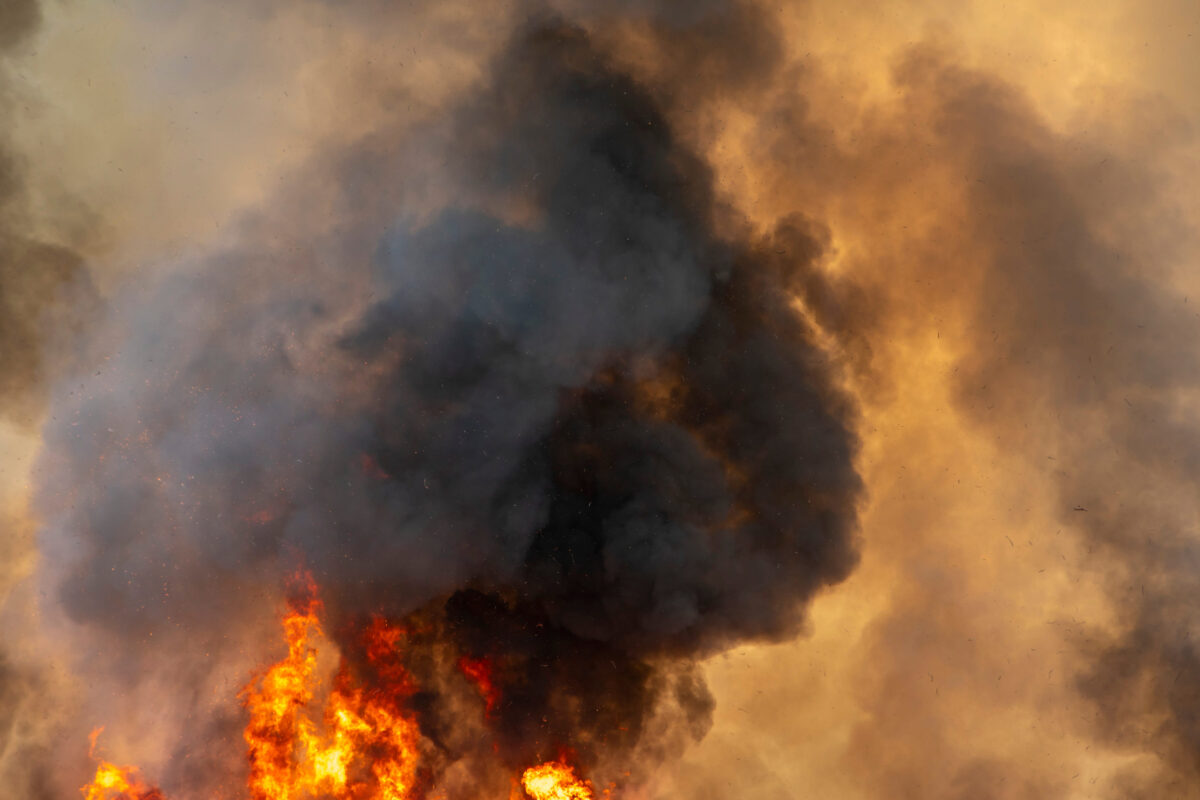
The dispute comes as wildfire smoke continues to affect air quality across parts of North America.
Smoke from Canadian wildfires has moved into several U.S. states, creating periods of unhealthy air quality. Officials have warned residents to limit outdoor activity when pollution levels rise, especially people with asthma, heart conditions, older adults, and children.
The main concern is fine particulate matter known as PM2.5, which can travel deep into the lungs and create health risks during heavy smoke events.
The Environmental Protection Agency has warned that wildfire smoke exposure can cause coughing, breathing difficulties, and worsening symptoms for people with existing respiratory conditions.
While the smoke problem is serious, experts have noted that wildfires are influenced by multiple factors, including dry conditions, high temperatures, wind patterns, and forest geography.
Canada Pushes Back Against Trump’s Criticism
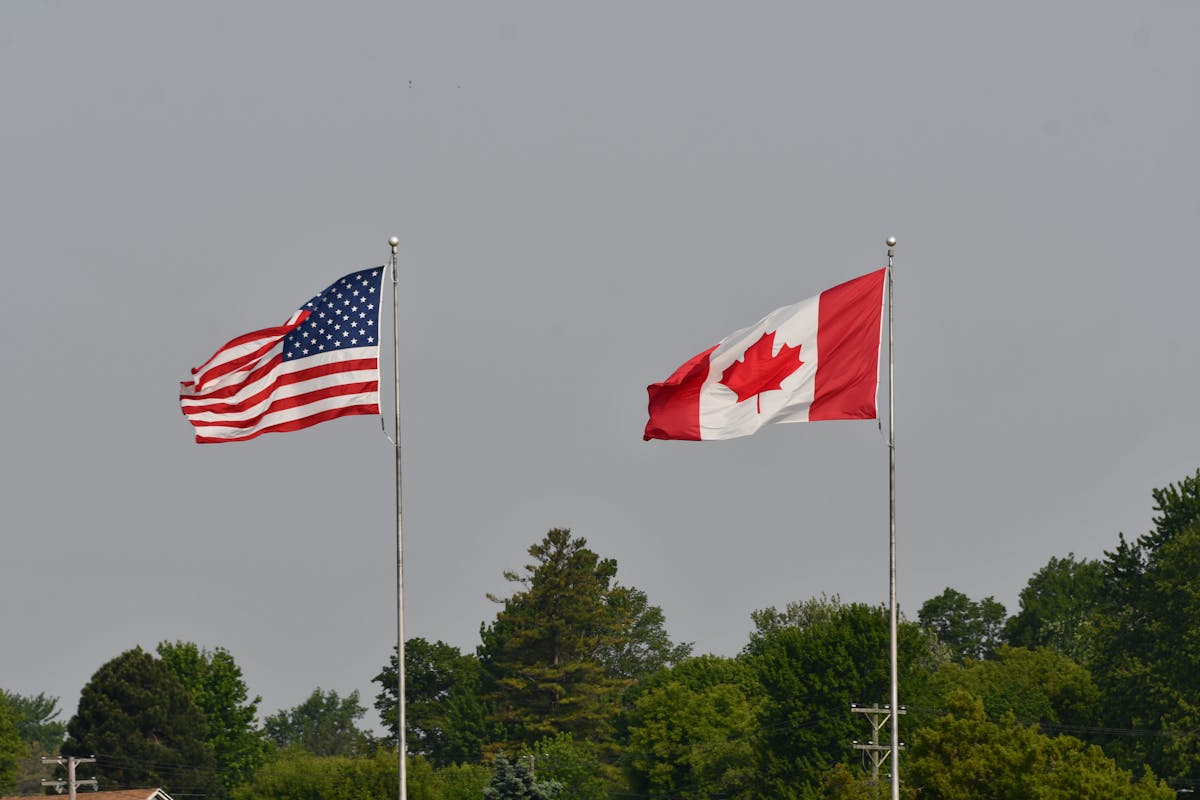
Canadian officials have rejected the suggestion that the country is ignoring wildfire prevention.
Canadian Emergency Management Minister Eleanor Olszewski said Canada has invested billions of dollars in wildfire response, prevention, and forest management efforts.
She also highlighted the long history of cooperation between Canada and the United States during wildfire emergencies, including sharing firefighters, aircraft, and resources.
Ontario Premier Doug Ford also responded to Trump’s criticism, arguing that the situation requires cooperation rather than blame.
Ford said Ontario has been dealing with a major wildfire challenge and announced plans to expand firefighting resources, including the purchase of additional aircraft.
Canadian officials have emphasized that wildfire seasons have become more difficult due to changing weather conditions and prolonged periods of heat and dryness.
Communities Face Evacuations As Fires Continue
Behind the political dispute are communities dealing directly with the effects of the fires.
In Ontario, several communities have faced evacuations as firefighters battle hundreds of active wildfires. Some Indigenous communities have been among those forced to leave their homes because of approaching flames.
Emergency officials have worked to provide temporary shelter and transportation for residents displaced by the fires.
The situation has also placed pressure on local governments managing evacuations while coordinating firefighting operations across large areas.
For many residents affected by the fires, the issue is less about political arguments and more about safety, emergency support, and returning home.
Republicans Also Call For Stronger Action Against Canada
Trump’s comments came as some Republican lawmakers called for additional pressure on Canada over wildfire smoke.
Senator Bernie Moreno of Ohio announced plans for legislation addressing wildfire pollution. His proposal included possible sanctions against Canadian officials and a review of whether financial penalties should be considered.
The proposal has not become law and would require approval from Congress before any action could take effect.
Other Republican lawmakers have also criticized Canada’s wildfire management policies, arguing that more aggressive forest maintenance is needed.
Canadian officials have disputed the idea that wildfire problems can be solved with a single approach, citing the scale of Canada’s forests and the role of weather conditions.
Trade Experts Question Whether Tariffs Would Solve The Problem
The tariff threat has also raised questions about how effective such a move would be.
Tariffs are paid by companies importing goods into the United States, and businesses often pass some or all of those costs to consumers. A tariff connected to wildfire smoke could affect trade between two countries whose economies are closely connected.
The United States and Canada share one of the world’s largest trading relationships, with billions of dollars in goods crossing the border every year.
Trade experts have also questioned how a government would calculate the financial value of wildfire smoke damage and determine which industries or products to target.
At the moment, there is no confirmed plan showing how such a tariff would work.
A Border Problem That Requires a Cross-Border Response
Wildfire smoke does not stop at international boundaries, making the issue more complicated than a traditional trade dispute.
Both Canada and the United States have experienced increasingly challenging wildfire seasons in recent years. Officials in both countries have relied on cooperation during major emergencies because fires and smoke can affect communities far beyond where they begin.
The latest dispute highlights a growing question for North America: when environmental problems cross borders, should countries respond with penalties or stronger cooperation?
For now, Trump’s tariff threat has added another layer of tension to the U.S. Canada relationship, but the details of any possible action remain unclear.
The smoke may eventually disappear, but the debate over responsibility, climate challenges, and how countries respond to shared disasters is likely to continue.