Stop Risking Your Life on the Grand Canyon: How Heat-Related Illness Can Turn Deadly
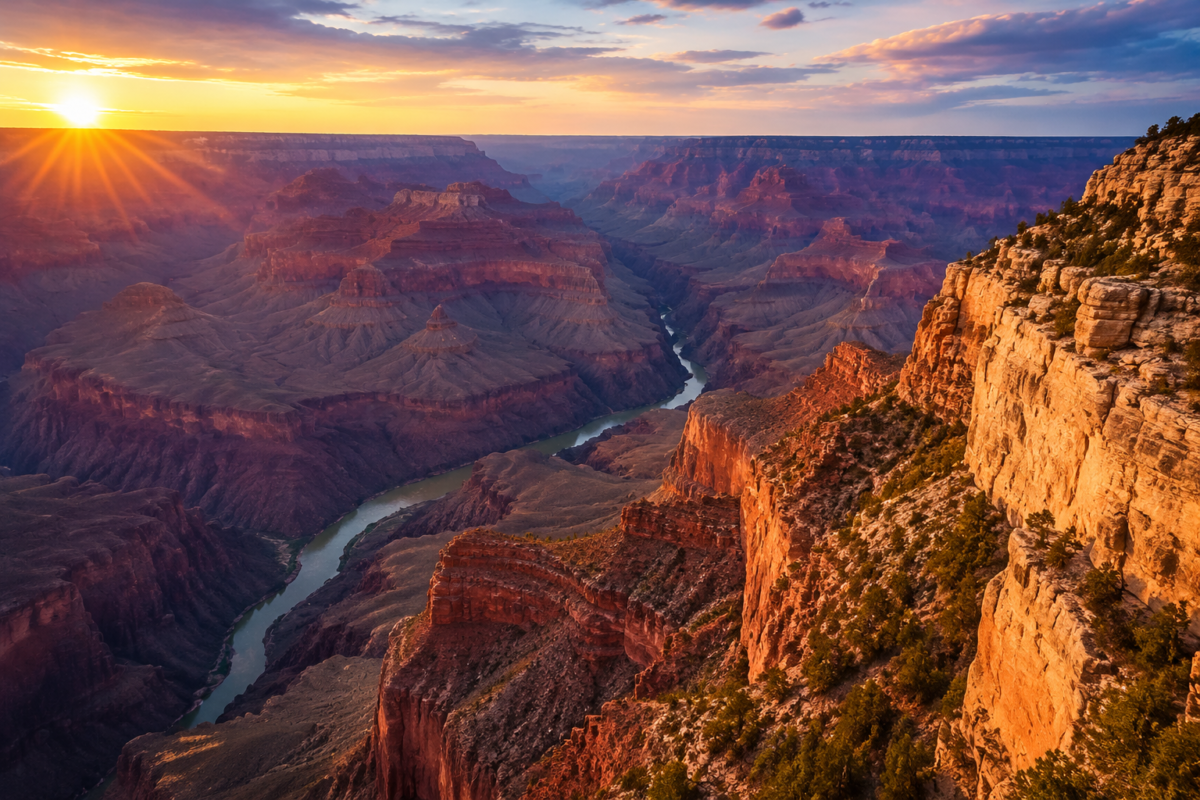
The Grand Canyon is awe-inspiring, but its beauty can be dangerous. An 18-year-old hiker recently lost his life on the Bright Angel Trail after suffering from heat-related illness, a stark reminder that extreme heat, strenuous activity, and steep terrain can overwhelm even the fittest hikers. For families, adventurers, and first-time visitors, the tragedy underscores the importance of preparation and situational awareness in America’s most iconic natural landscapes.
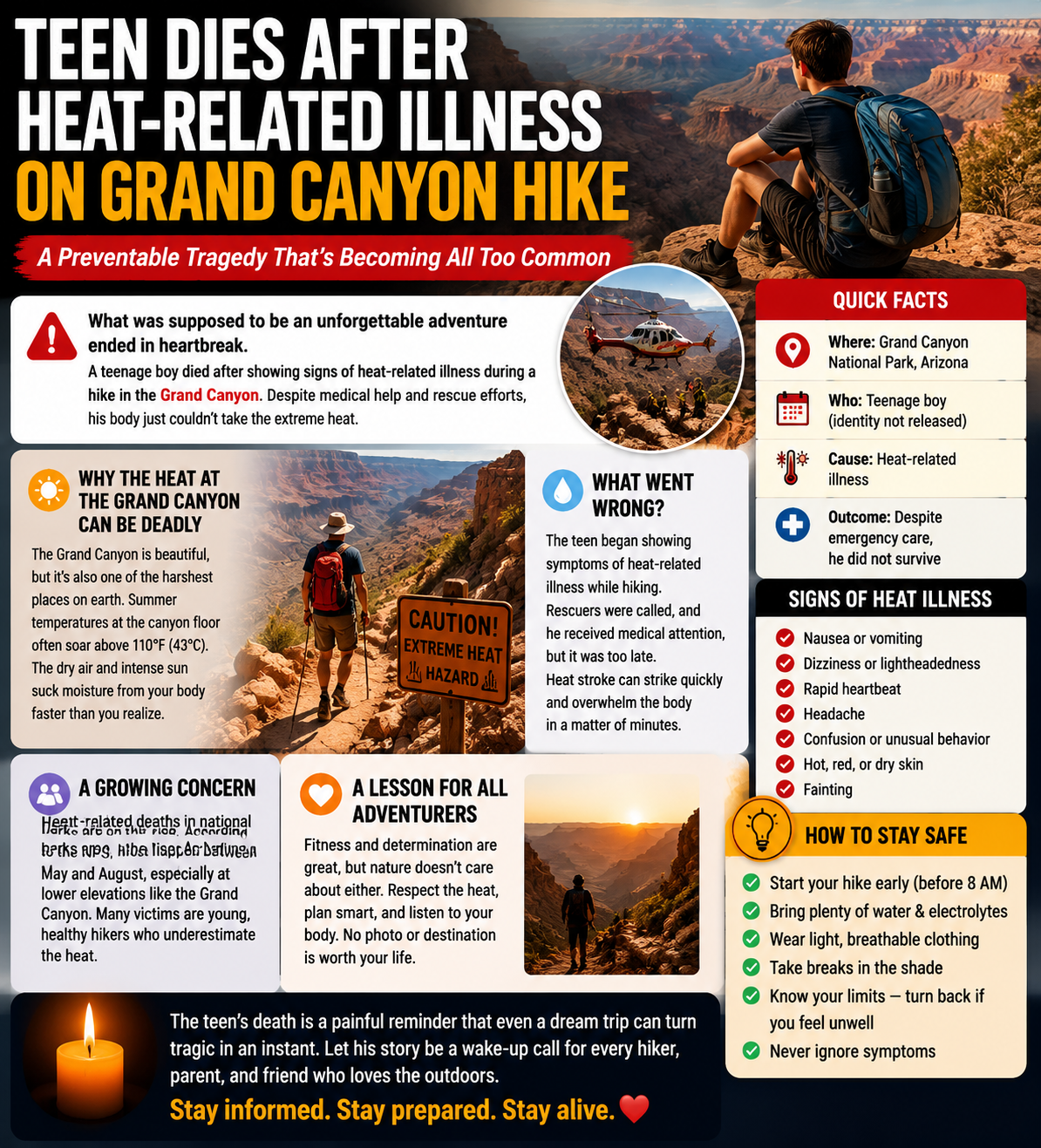
The teenager attempted a round-trip hike from the South Rim to the Colorado River in a single day, a route experts classify as highly challenging. He began showing symptoms such as dizziness, nausea, and fatigue near Garden Creek, a remote spot far below the rim. Despite the park rangers’ rapid response and a helicopter rescue attempt, the extreme heat and demanding conditions proved fatal. This incident highlights that even well-planned trips can become life-threatening when environmental extremes are underestimated.
The Hidden Dangers of Canyon Heat
Hiking below the rim is deceptively challenging. Inner-canyon temperatures frequently exceed 100°F during summer, making heat stress a constant risk. The steep elevation changes compound the challenge, requiring the body to exert tremendous energy over long climbs. Even experienced hikers may find themselves vulnerable to heat exhaustion or, in the worst cases, heat stroke, which occurs when the body can no longer regulate core temperature.
The canyon’s microclimates intensify the danger. Low elevations trap heat, while reflected sunlight from canyon walls further raises the effective temperature. Trails like Bright Angel offer limited shade, leaving hikers exposed for hours at a time. Many underestimate how quickly dehydration, fatigue, and disorientation can escalate into a life-threatening situation.
The Human Cost: Lessons Beyond the Statistics
This tragedy illustrates that age, fitness, or hiking experience alone do not guarantee safety. Even young, healthy hikers can be overwhelmed by the combination of heat and exertion. The impact extends beyond the individual: families, friends, and fellow hikers feel the loss, while emergency personnel must respond to preventable crises in difficult terrain.
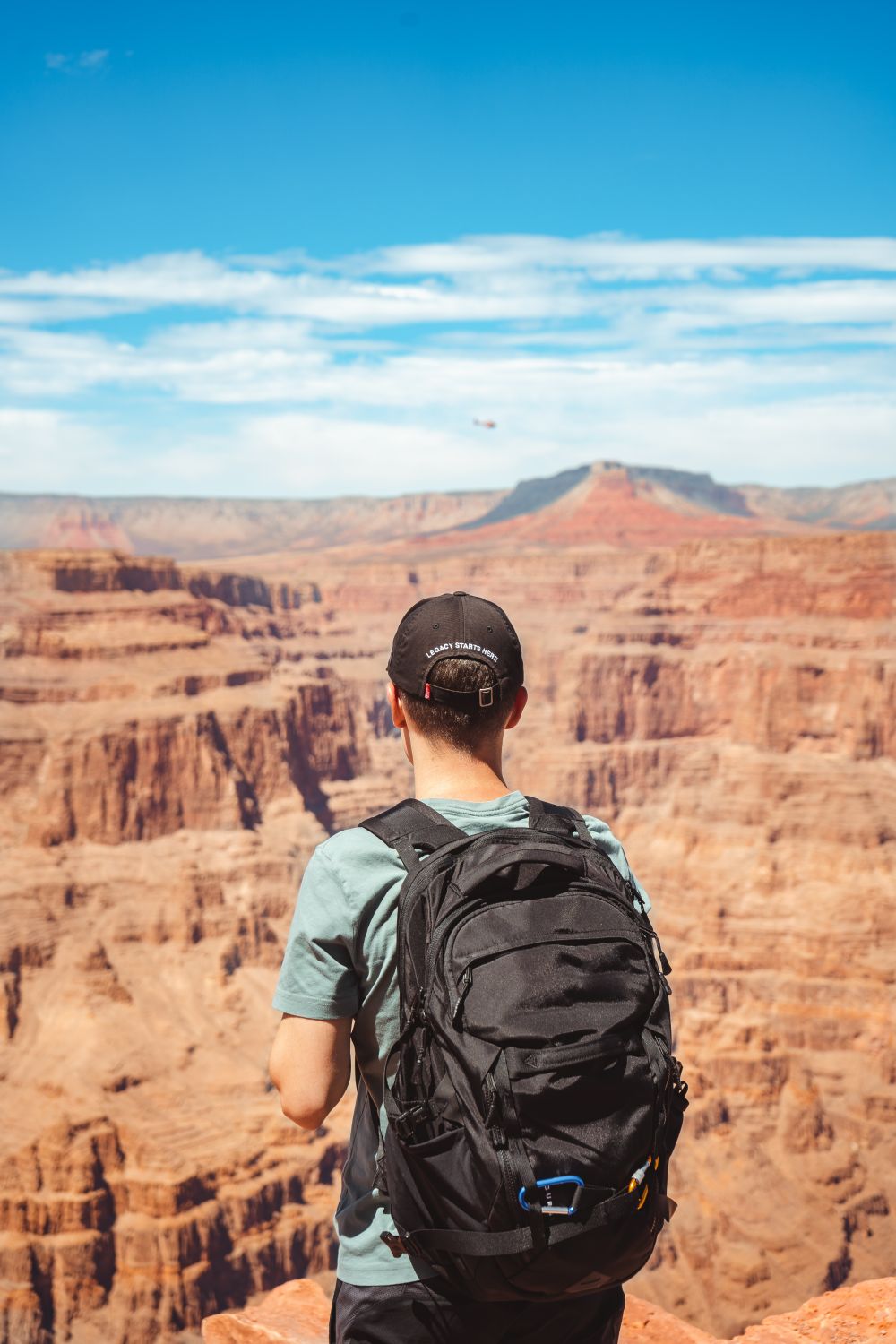
Popular trails can create a false sense of security. Crowds and well-maintained paths may mislead hikers into assuming the route is low-risk. Early warning signs of heat illness, such as dizziness, confusion, and excessive fatigue, can be subtle and easily ignored. Park rangers often face the challenge of reaching remote hikers quickly, which can limit the effectiveness of even the fastest rescue response. Each incident reinforces the importance of education, preparation, and awareness in outdoor recreation.
Understanding the Risk
The combination of sun exposure, heat, and steep elevation changes creates a perfect storm for heat-related illness. Temperatures in the inner canyon can feel 20–30°F hotter than the rim. Long hikes, particularly in the middle of the day, significantly increase heart rate, accelerate fluid loss, and raise the risk of heat stroke. Even small errors in hydration, pacing, or timing can escalate rapidly.
Trail congestion and slow-moving groups further increase exposure, reducing opportunities for rest. Personal gear choices, such as insufficient water, heavy clothing, or a lack of sun protection, can exacerbate the risk. This combination makes single-day hikes from rim to river among the most dangerous in the park during the summer months.
How Hikers Can Protect Themselves
Fortunately, heat-related incidents are largely preventable with proper planning. Key strategies include:
- Plan Smart: Avoid extreme single-day hikes. Begin early, finish before peak temperatures, and consider breaking the hike into multiple days if possible.
- Hydrate Constantly: Drink water before feeling thirsty. Supplement with electrolytes or salty snacks to maintain balance and prevent rapid dehydration.
- Dress Appropriately: Light-colored, breathable clothing, a wide-brimmed hat, and sunscreen help reduce heat absorption. Take breaks in shade wherever possible.
- Recognize Warning Signs: Early symptoms, such as dizziness, nausea, confusion, or excessive fatigue, require immediate action. Stop, seek shade, and cool down before continuing.
- Pace Yourself: Gradual climbing, frequent rest, and awareness of physical limits reduce the risk of heat emergencies.
Following these precautions dramatically lowers the likelihood of heat-related illness while ensuring a safer hiking experience.
Climate, Tourism, and Outdoor Safety
As global temperatures rise, heat-related incidents in parks are likely to increase. National landmarks like the Grand Canyon attract millions of visitors, many of whom underestimate environmental extremes. Effective educational campaigns, trail advisories, and hydration awareness programs are essential to reduce risk. Providing visitors with real-time heat warnings and safety recommendations can save lives while preserving the park’s appeal.
Trends indicate that heat-related emergencies are already placing significant demands on park resources. Emergency evacuations, medical interventions, and ranger response are complicated by remote terrain and extreme conditions. Increasing public understanding of trail difficulty, environmental hazards, and early warning signs is crucial for both visitor safety and efficient park management.
Human Stories Behind the Numbers
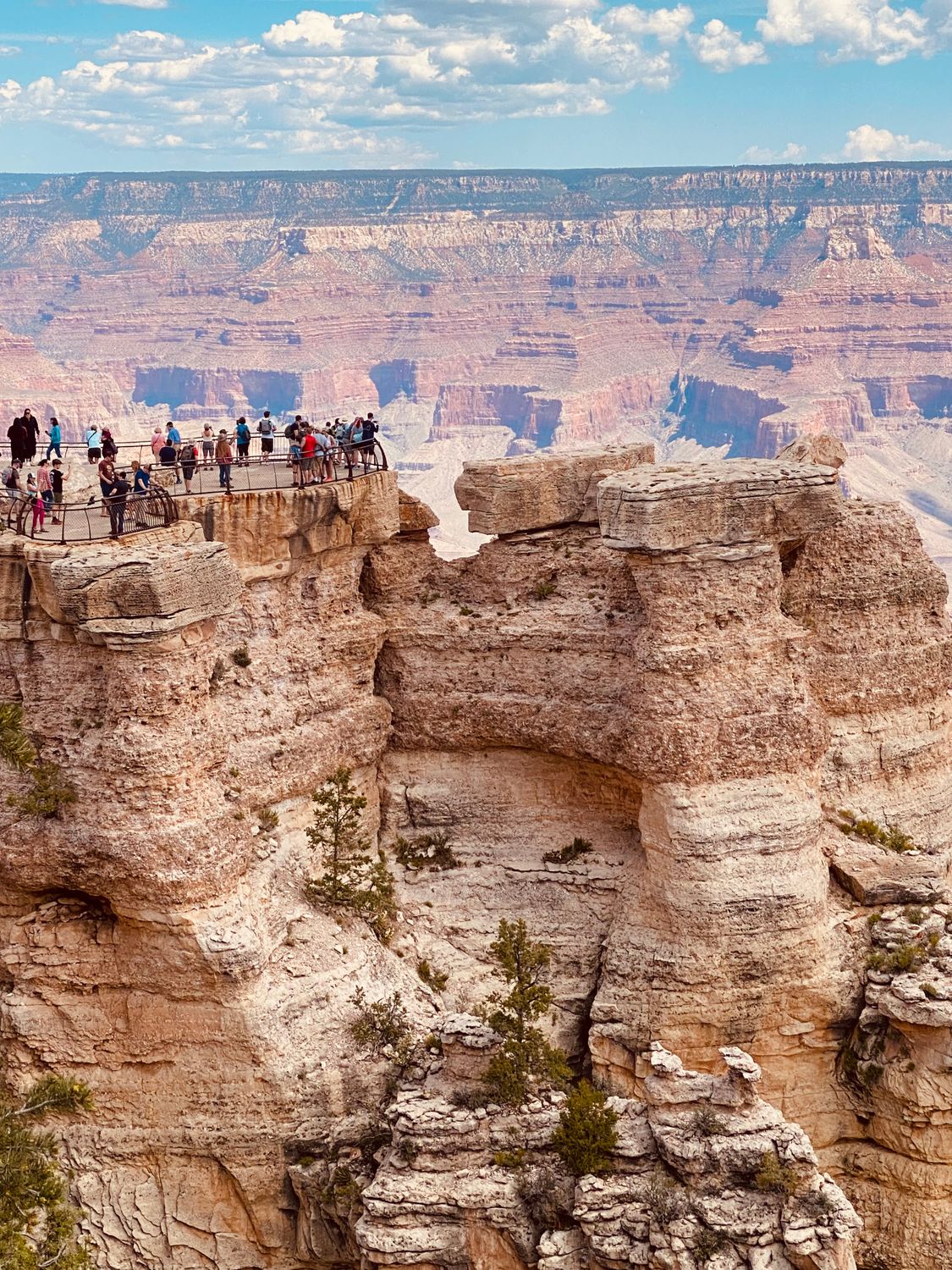
While statistics reveal patterns, the human impact resonates more profoundly. Families and friends endure the loss of a young life; fellow hikers may witness trauma; and rangers face high-stress rescues under extreme conditions. Sharing stories of hikers who have successfully navigated heat or suffered incidents can educate and inspire safer practices. Small actions, such as carrying enough water, starting early, or turning back when conditions worsen, can prevent a tragedy.
Even subtle personal anecdotes, like hikers pausing in the sparse shade to rest or helping companions stay hydrated, highlight how awareness and community contribute to safety. These human elements make the risks tangible and relatable, ensuring readers don’t just read about statistics but connect emotionally to the realities of canyon hiking.
The Grand Canyon is awe-inspiring, but its grandeur demands respect. Extreme heat does not discriminate; any hiker, regardless of age, fitness, or experience, can fall victim. Planning, pacing, and hydration are essential to avoid preventable tragedy. As visitors, we must ask ourselves: are we truly prepared for the challenges beneath the rim, or are we risking our lives for a breathtaking view? Awareness, preparation, and careful decision-making are as critical as physical stamina when navigating nature’s most iconic landscapes.