10 Worst Fashion Trends That Still Make Old Photos Look Like Evidence
Fashion is supposed to be fun, but some trends feel like the industry collectively lost a bet. One minute, everyone is convinced a strange look is bold and stylish, then a few years pass, and the photos start looking like courtroom exhibits. The worst fashion trends are not always ugly; they’re just a reflection of people’s lack of confidence. Many were ugly because people had too much confidence, and no one close enough whispered, “Maybe not.”
Some trends were uncomfortable. Some were loud for no reason. Others made perfectly normal people look like they were dressed for a themed party they forgot to leave. These are the fashion choices that had their moment, took over closets, dominated malls, and then aged like milk under a heat lamp.
Shoulder Pads That Made Everyone Look Like Office Furniture
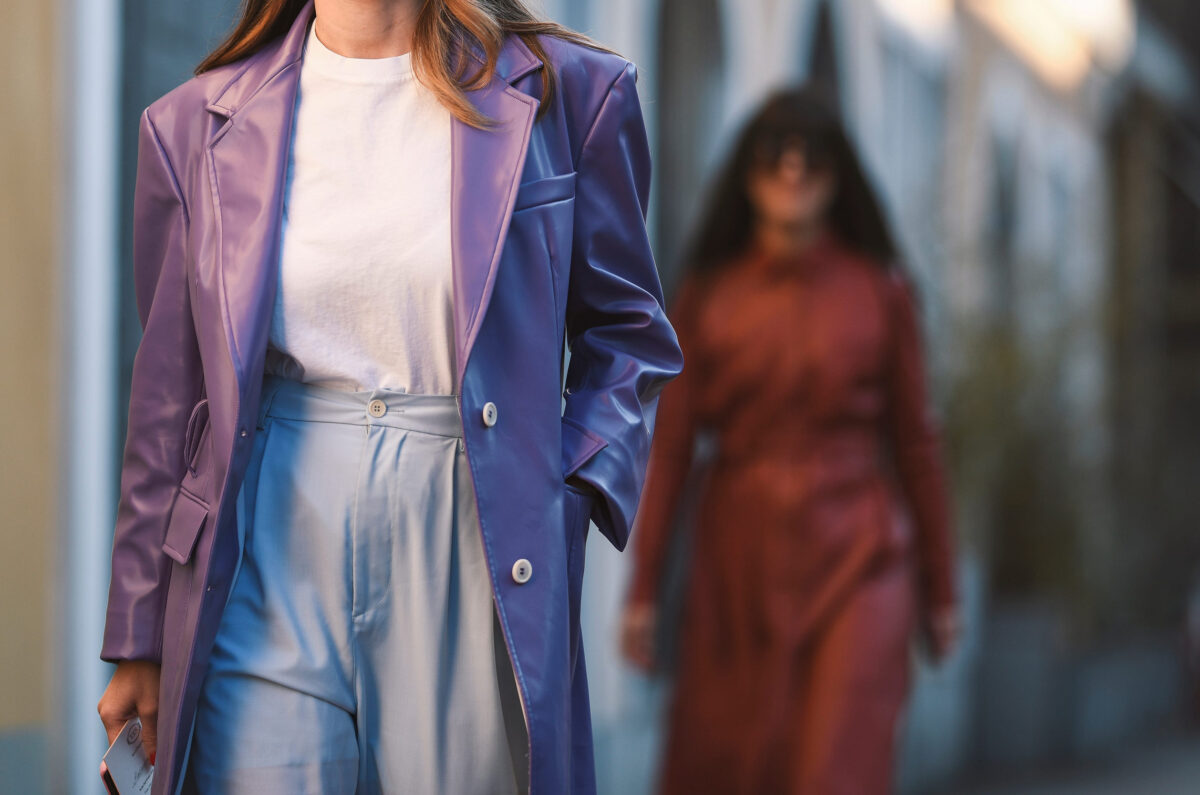
Shoulder pads were meant to convey power, but many of them came across as “human filing cabinet.” In the 1980s, jackets, blouses, dresses, and even casual tops came with shoulders so wide they looked ready to enter a boardroom without the rest of the body.
A little structure can look sharp, but the extreme version overwhelmed the wearer. Instead of elegance, it gave cartoon authority. The shoulders arrived before the personality, and that is never a good sign.
Acid Wash Denim That Looked Like a Laundry Accident
Acid-wash denim had the confidence of a trend that never looked good in a mirror under natural light. It covered jeans, jackets, skirts, and vests in cloudy, high-contrast patterns that clashed with everything around them. Instead of making denim feel lived in, it made denim look attacked.
The problem was visual noise. Denim usually grounds an outfit, but acid wash did the opposite. It dragged attention everywhere at once, then left the whole look feeling messy, dated, and oddly aggressive.
Low-rise jeans that made sitting down a Public Event
Low-rise jeans ruled the early 2000s with the kind of arrogance only a truly uncomfortable trend can have. They sat so low on the hips that every chair, stair, and casual bend became a risk. They did not just shape an outfit; they controlled how people moved through the day.
The worst part was how unforgiving they were. They worked for a very narrow celebrity body ideal and made everyone else feel like denim had personally betrayed them. A good pair of jeans should make life easier, not turn lunch into a styling crisis.
Bell Bottoms That Kept Sweeping the Floor
Bell-bottoms had drama, movement, and plenty of 1970s flair. The good versions looked sleek with the right shoes and tailoring. The bad versions dragged through sidewalks, swallowed feet, and turned every step into a fabric management exercise.
The flare itself was not the crime. The exaggeration was. When trousers become wide enough to collect dust, rainwater, and possibly small street debris, the trend has gone too far. Fashion should make an entrance, not mop the floor on the way in.
Platform Shoes That Treated Ankles Like Disposable Items
Platform shoes gave people height and attitude, but they also looked like a personal dare. Some were playful and glamorous, especially on stage or at a disco. Others looked like someone glued bricks to the bottom of regular shoes and called it innovation.
The worst platforms made walking stiff and risky. They threw off proportions, made feet look heavy, and turned simple movement into a balance test. A little lift can be chic. A shoe that makes every curb feel like a mountain deserves suspicion.
Crocs as Everyday Fashion Shoes
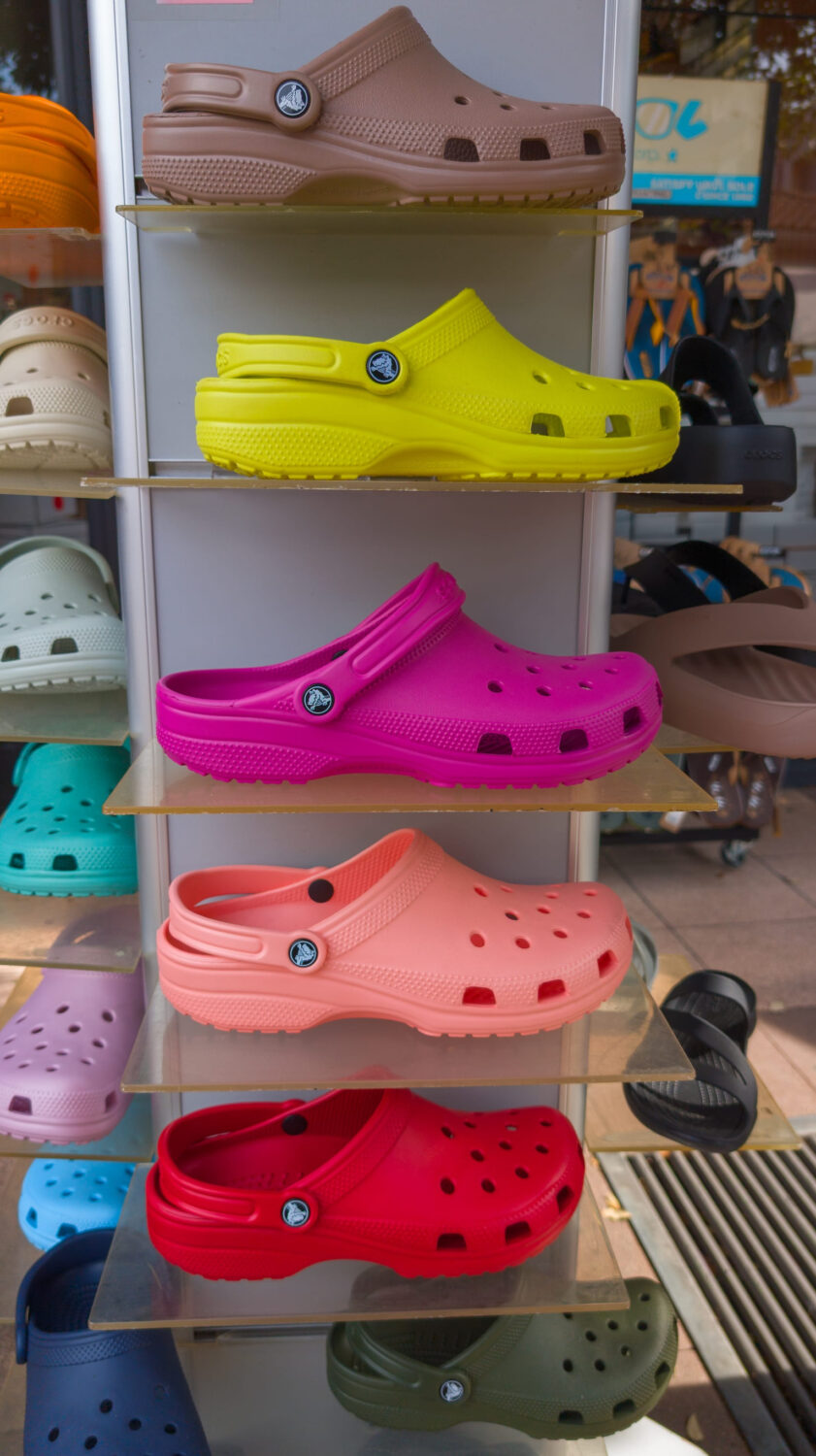
Crocs deserve credit for comfort, but comfort and style do not always go hand in hand. They are useful for gardening, hospital shifts, errands, and moments when feet simply refuse to take any more. The trouble started when people began wearing them as if foam clogs were the final word in fashion.
Their shape is chunky, round, and proudly awkward. They make feet look bigger, outfits look more casual than intended, and even a decent outfit feels like it gave up at the ankle. Practical? Yes. Stylish enough to carry a full look? That is where the argument gets loud.
Butt Writing Sweatpants That Turned People Into Walking Billboards
The 2000s gave us many confusing fashion decisions, but sweatpants with giant words across the back remain especially hard to defend. They were casual, loud, and impossible to ignore. They turned a comfortable piece of clothing into a full public announcement.
The issue was not just the branding. It was the placement. Some parts of an outfit do not need typography. These sweatpants made people look like they were advertising their own exit, and the trend thankfully belongs in the mall era archive.
Ultra Skinny Jeans That Refused to Let Legs Relax
Skinny jeans had a long run because they were easy to style with boots, oversized sweaters, and casual tops. But ultra skinny jeans pushed the idea too far. They clung so tightly that getting dressed felt like a workout, and taking them off felt like a second workout.
The look became exhausting because it left no room for movement or comfort. A slim cut can still look polished, but jeans should not behave like compression gear masquerading as denim. Modern fashion has moved toward ease for a reason, and legs everywhere are grateful.
Fast Fashion Microtrends That Die Before the Receipt Fades
The worst modern fashion trend is not a single item. It is the speed of trends themselves. One week, everyone is dressing for one viral aesthetic, and the next week, the look is declared tired, replaced, or embarrassing. Shoppers end up buying clothes that feel outdated before they have even been worn twice.
This is worse than an ugly shoe or a strange pair of jeans because it creates waste, clutter, and constant pressure to keep up. Personal style gets buried under short-lived internet moods. The strongest fashion choice today may be to ignore half of what goes viral and buy pieces that still make sense after the trend cycle moves on.
Tiny Sunglasses That Forgot Their Only Job

Tiny sunglasses became popular because celebrities wore them with expensive indifference. They looked dramatic in photos, especially when paired with sharp cheekbones and a luxury handbag. For regular people walking under actual sunlight, they were basically decorative punctuation marks for the face.
Sunglasses should protect the eyes, flatter the face, and finish the outfit. Tiny sunglasses often failed at least two of those jobs. They made people squint while pretending to be mysterious, which is not fashionable. That is a mild inconvenience with branding.
Conclusion
Bad fashion trends are funny because most of them started with complete seriousness. People did not wear low-rise jeans, acid wash denim, giant shoulder pads, or tiny sunglasses as jokes. They wore them because magazines, celebrities, stores, and friends all agreed for a brief, dangerous moment that the look made sense.
That is the lesson hiding inside every embarrassing old outfit. Trends can be fun, but they should never bully personal taste, comfort, or common sense out of the room. The best style does not need to shout, restrict breathing, threaten ankles, or make jeans fight the body. It simply works, and years later, the photos do not need an explanation.