10 Alarming Mouth Signs You Could Be Ignoring That Hint at Bowel Cancer

Your mouth might be trying to tell you more than you realize. What you see on your gums, tongue, and teeth can be early indicators of deeper health problems, including bowel cancer. Ignoring unusual signs in your oral health may mean missing critical early warnings. This guide uncovers the most unsettling mouth changes that experts believe could signal serious issues lurking in your digestive system.
Pay attention to these oral warning signs; they’re subtle, easy to dismiss, and often mistaken for minor dental annoyances. By recognizing them early, you can take decisive steps toward proper screening and intervention. Here are 10 mouth-based indicators that demand your attention now.
Persistent Gum Bleeding

Bleeding gums after brushing or flossing might seem like a minor irritation, but chronic bleeding can signal systemic inflammation. Inflammation doesn’t stay local; it can reflect wider issues in your digestive system. Experts warn that ongoing gum bleeding might correlate with conditions that precede bowel cancer, making it a subtle yet critical early warning your body is giving. Ignoring it could delay detection of serious underlying problems.
Chronic Bad Breath
Bad breath that won’t go away despite careful oral hygiene is more than embarrassing. It can indicate harmful bacterial overgrowth that mirrors imbalances deeper in your digestive tract. Certain bacteria found in persistent halitosis have been linked to colorectal tumors. While it doesn’t guarantee cancer, consistent, unexplained bad breath should be treated as a red flag for further medical investigation.
Thick Tongue Coating
A tongue covered in a persistent white, yellow, or grey coating signals an imbalance in your oral microbiome. This imbalance may echo problems in your gut microbiome, which can influence bowel health. Unlike temporary coating from food or dehydration, a persistent layer can be a subtle sign of inflammation or bacterial changes that researchers associate with early digestive system concerns. Monitoring tongue appearance is more important than you think.
Gum Recession
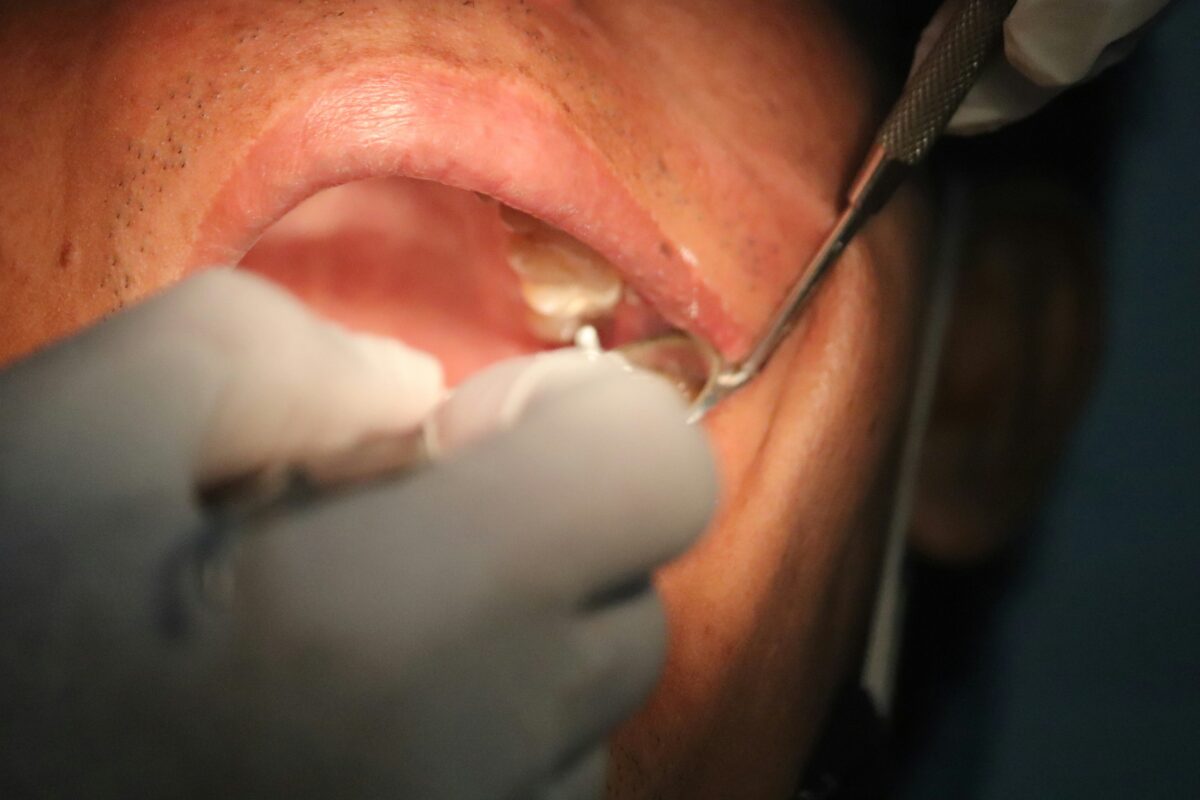
Gums that pull away from teeth expose more than enamel; they reveal ongoing inflammation. Receding gums often indicate long-term bacterial activity and tissue stress. Studies show that chronic gum issues can reflect systemic inflammation affecting the digestive tract. This silent process can be a precursor or warning sign of conditions that impact the colon, making gum recession more than a cosmetic concern.
Loose Teeth Without Injury
Teeth loosening without trauma suggests chronic periodontal disease. This condition fosters a continuous inflammatory response in your body, which researchers link to precancerous changes in the colon. Oral bacteria associated with tooth instability can travel or signal broader imbalances, creating a silent chain reaction that might precede bowel-related complications. Staying alert to dental changes can offer early protection.
Sudden Changes in Taste
If flavors suddenly taste metallic, bitter, or unusually strong, your body may be signaling a systemic problem. Shifts in taste can arise from bacterial imbalances or nutrient deficiencies connected to digestive health. Ignoring persistent changes in taste may lead to overlooking subtle signs of inflammation or gut microbiome disruption, both of which can precede serious bowel conditions.
Mouth Sores That Don’t Heal
Small ulcers or sores in the mouth usually heal quickly, but persistent lesions are worrisome. Non-healing sores can reflect immune stress or chronic bacterial activity linked to systemic inflammation. Some researchers suggest that oral sores may serve as an early warning sign of developing gastrointestinal issues, making a timely dental or medical evaluation crucial.
Swollen or Puffy Gums
Gums that remain swollen or feel tender signal underlying inflammation. While temporary puffiness is common, persistent swelling can indicate long-term oral bacterial activity that mirrors inflammatory processes in the body. Scientists increasingly link this type of chronic oral inflammation to higher risks of precancerous bowel conditions, making observation and professional evaluation essential.
Unexplained Tooth Discoloration
Discolored teeth without trauma or diet-related causes can indicate chronic bacterial activity or chemical imbalances in the mouth. These changes may reflect systemic health stress, including digestive concerns. Persistent staining or yellowing of teeth serves as a subtle marker that something in the body is out of balance and may warrant medical attention sooner rather than later.
Persistent Dry Mouth

A chronically dry mouth might feel harmless, but it signals reduced saliva production and compromised oral defense. Saliva is essential for controlling harmful bacteria that can travel or influence the digestive system. A persistently dry mouth increases bacterial buildup, which researchers associate with a higher risk of systemic inflammation and early warning signs of bowel complications.
Your mouth can be a silent messenger, alerting you to hidden threats that go far beyond dental health. Recognizing these 10 signs gives you an opportunity to act early, seek screenings, and take preventive measures. Early attention to subtle oral changes might be one of the simplest yet most powerful ways to protect your overall health.