10 Christmas Foods Boomers Say Are a Total Rip-Off
Ask anyone who did their Christmas shopping in the 1970s what a holiday dinner should cost, and you will get a number that makes younger shoppers laugh. Then walk them past the roast case or the candy aisle in November 2026 and watch the face they make.
Boomers are not against spending money at Christmas. They just have a long memory, a strong sense of value and a habit of saying out loud what everybody else is thinking. These are the holiday foods they most often call a rip-off, and to be fair, some of them have a point.
1. The standing rib roast
Prime rib was always a splurge, but it used to be a once-a-year splurge most families could manage. Now beef is the poster child for sticker shock. Grocery Dive’s look at the latest consumer price data found that uncooked beef steak rose almost 2% in October alone, on top of years of climbing prices. Plenty of boomer hosts are quietly switching to a pork roast or a turkey breast, and nobody at the table complains.
2. Boxed chocolates
The heart-shaped box gets the attention in February, but the Christmas sampler is the one boomers grumble about. The box looks the same, the price does not, and somehow there seem to be fewer pieces inside. NPR reported this fall that candy and gum prices were up 7.7% in a year and more than 18% over two years, and that shoppers are paying more while buying less. That is exactly what Grandma suspected.
3. Store-bought cookie tins
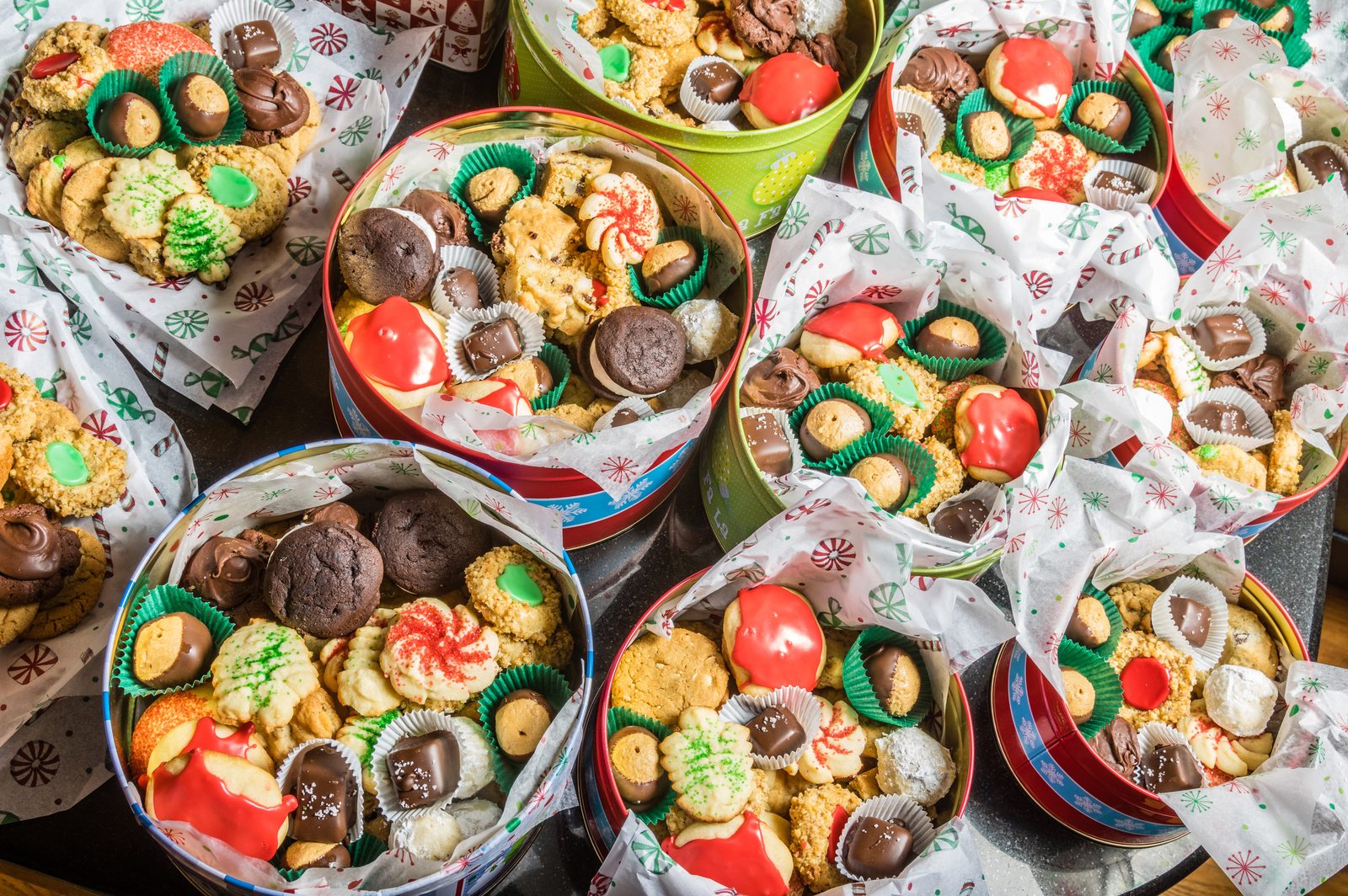
Few things get an eye-roll faster than a $25 tin of butter cookies. Boomers grew up in kitchens where a single afternoon and a few pounds of flour, sugar and butter produced enough cookies for the whole block. Paying bakery prices for a dozen sugar cookies feels, to them, like paying someone to have the fun part of Christmas. It is the same eye-roll they save for the boxed fruitcake, and the story of how fruitcake became America’s most joked-about Christmas food explains a lot about that.
4. Pre-cut veggie and fruit trays
The plastic party tray is a modern convenience boomers love to poke at. You are paying a big markup for someone to slice carrots and celery. With produce prices bouncing around, including lettuce jumping almost 8% in a single month, a whole head of broccoli and a sharp knife still win the value contest. Thrifty hosts know that humble foods even wealthy families still eat often make the best party spreads.
5. Fancy charcuterie boxes
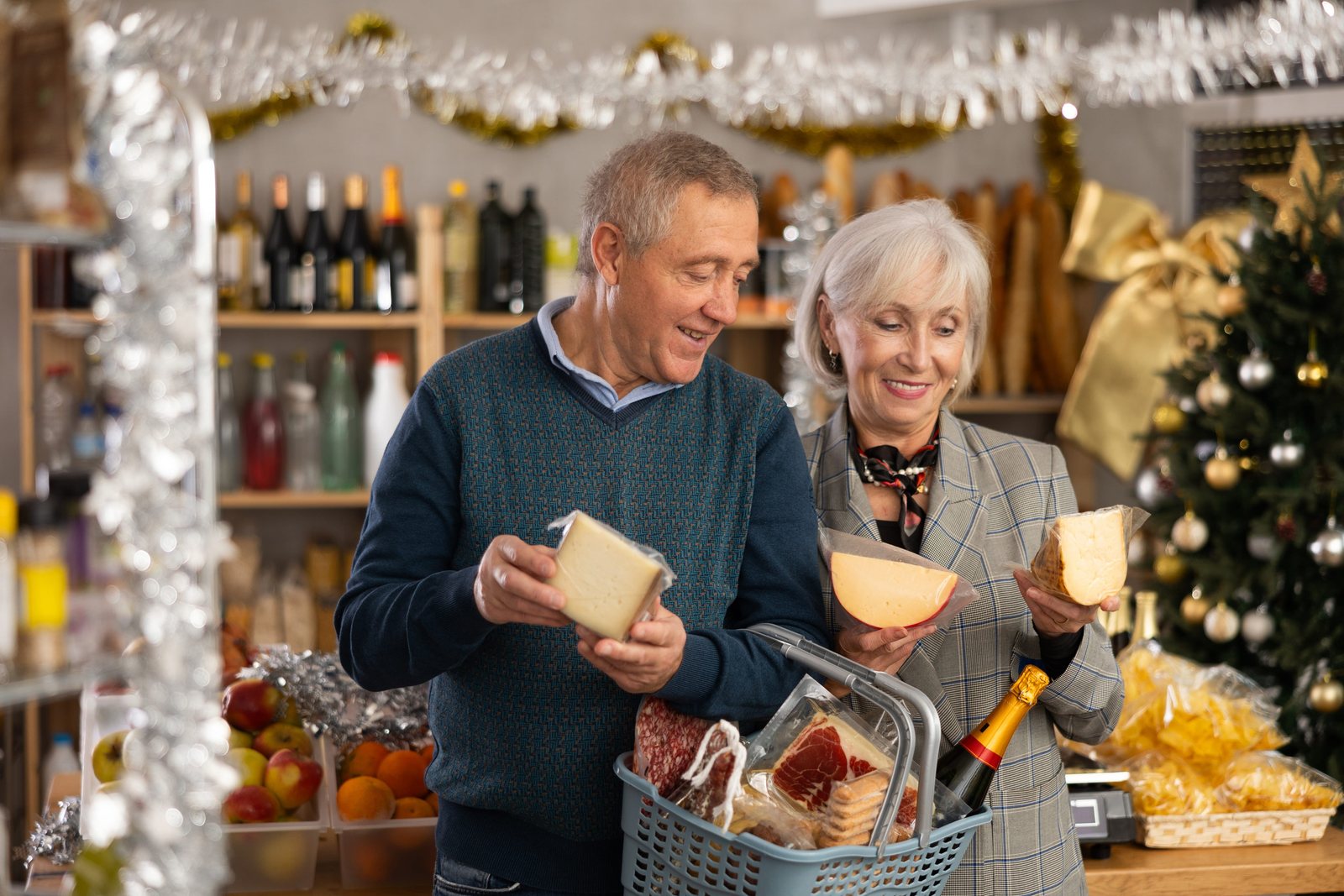
In 1978 the holiday meat and cheese platter was a ring of summer sausage, a block of cheddar and some Ritz crackers. Today it comes in a wooden box with a ribbon and a price tag north of a nice dinner out. Boomers do not dislike salami. They just do not see why it needs a gift box. The meat-and-cheese tray has become one of those odd American traditions that grew far fancier than anyone expected.
6. Spiral-cut, pre-glazed ham
Here is a twist. Ham prices have actually eased a little, with the government data showing ham down about 1% in October. What boomers object to is the premium for a ham that comes sliced and glazed. A whole bone-in ham, a jar of brown sugar and some pineapple rings did the job for decades, and they will tell you so. If you want a ham-centered menu that stretches, these foods that feed a holiday crowd on a budget are a good place to start. It is one of those hard truths boomers have accepted: convenience always costs extra.
7. Carton eggnog
Plenty of boomers remember a relative who made eggnog from scratch in a punch bowl. The carton version, with its long ingredient list and holiday markup, does not impress them much, especially when a fancy small-batch nog costs as much as a bottle of wine.
8. Holiday-edition coffee
Coffee prices actually slipped about 3.5% in October, according to that same Grocery Dive report. But a bag with a snowflake on it and a “peppermint mocha” label still costs noticeably more than the plain can that boomers have been buying since the Carter years. They will happily add their own cinnamon.
9. Fruitcake and panettone gift boxes
Fruitcake has been the punch line of Christmas for generations. Boomers’ complaint is simpler. Why does a cake that half the family will not eat cost $30 in a decorative tin?
10. Bagged mixed nuts
Shelling nuts at the coffee table, with a nutcracker and a bowl for the shells, was a holiday ritual. Today a small can of fancy mixed nuts can feel like it costs as much as the roast. Boomers call it highway robbery, and they reach for the nutcracker anyway.
The bottom line
Boomers are not wrong that convenience and packaging have quietly become a big part of what we pay for at Christmas. The good news is that their solutions still work. Bake a batch at home, slice your own vegetables, buy the plain version and dress it up. The holidays taste just as good, and you will have a little more left over for the gifts.