10 Deadly Foods You Never Knew Could Kill You
Every day, we navigate a kitchen full of ingredients that seem harmless. We slice tomatoes, peel potatoes, and sip smoothies, rarely pausing to consider the hidden dangers lurking in common foods. While some risks are obvious, like spoiled meat or undercooked poultry, there is a list of everyday edibles that pose lethal risks. What makes them especially dangerous is that they often appear nutritious or even indulgent, masking their toxic properties beneath familiar appearances. From fruits and seafood to international delicacies, the foods on this list have surprised even seasoned chefs and nutritionists.
Understanding these foods is not just about fear; it’s about awareness. Knowing how to handle or prepare certain items can save lives, prevent emergency room visits, and alert home cooks to hazards they never imagined. Each entry here blends culinary insight, scientific caution, and a warning that seems almost too shocking to be true. Read closely, because some of these deadly foods might already be in your fridge or pantry, and one careless bite could have fatal consequences.
Fugu , The Japanese Blowfish
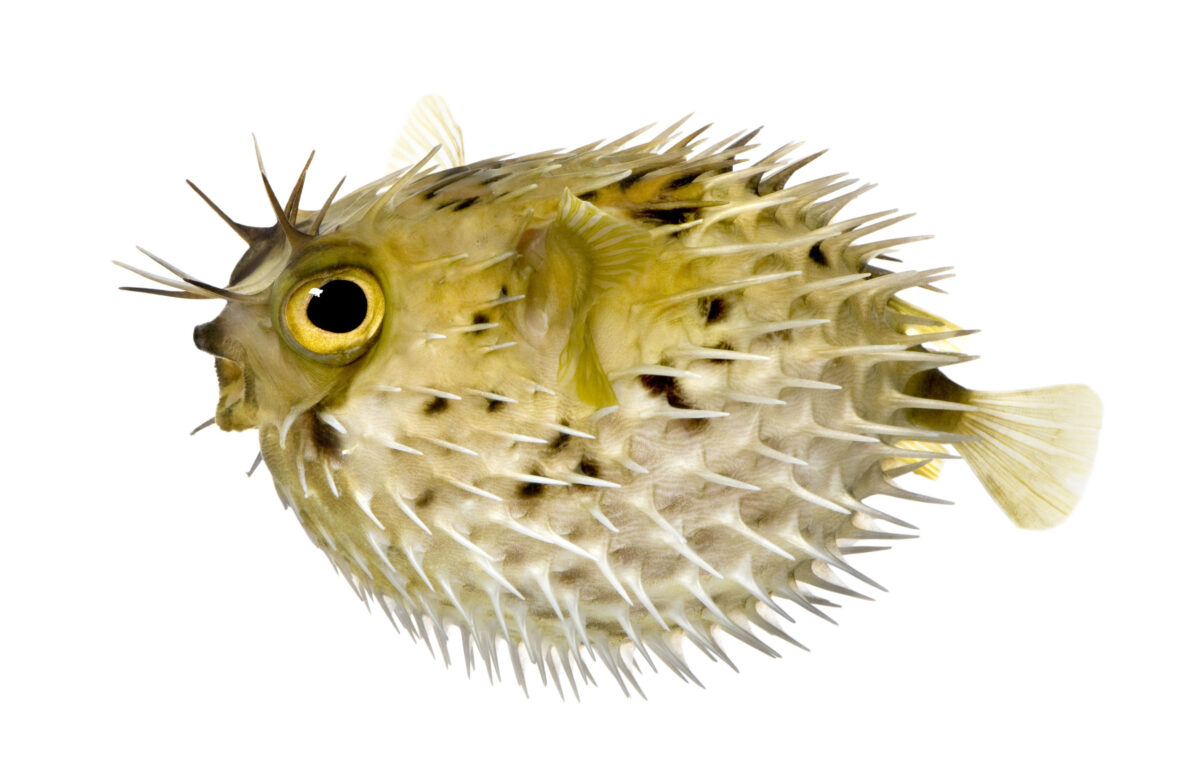
Fugu, the Japanese delicacy, is notorious for its lethal potential. Its organs, particularly the liver and ovaries, contain tetrodotoxin, a substance so potent that even a minuscule amount can halt nerve function and stop the heart. What makes fugu terrifying is that the fish is considered a gourmet treat, served in high-end sushi restaurants. Only chefs with specialized training and government certification are allowed to prepare it, yet every year, there are reports of accidental poisonings. Symptoms often start with tingling and numbness and can progress rapidly to paralysis, leaving victims unable to breathe. Eating fugu is a high-stakes culinary experience not for the faint-hearted, yet its reputation keeps thrill-seeking diners lining up.
Despite the risks, fugu remains a symbol of luxury and daring dining in Japan. Its preparation requires precision, skill, and meticulous attention to detail. Even with these precautions, the margin for error is razor-thin. One wrong cut can contaminate the meat with fatal toxins. The dish illustrates how cultural traditions can sometimes mask serious dangers, reminding us that a food’s allure is no guarantee of safety. For travelers and food enthusiasts, knowledge and restraint are essential when confronting this infamous seafood.
Ackee Fruit , The Caribbean Peril
Ackee, Jamaica’s national fruit, offers a cautionary tale about natural toxins. When unripe or improperly prepared, ackee contains hypoglycin, a chemical that can trigger vomiting, hypoglycemia, and in severe cases, death. The fruit only becomes safe to eat once it naturally opens on the tree, signaling maturity. Ignoring these guidelines has led to multiple fatalities in the Caribbean over the decades. Ackee is usually boiled before consumption, but improper timing or overripe portions can still pose serious threats. The fruit’s deceptive appearance,a bright, inviting yellow inside a red pod, hides the deadly truth, teaching that color and taste are unreliable safety indicators.
The danger of ackee underscores the need for culinary education. Even those familiar with the fruit can misjudge its readiness, making vigilance essential. For residents and tourists alike, understanding these risks is part of responsible consumption. The combination of natural beauty and potential toxicity creates a stark contrast, turning what seems like an exotic snack into a hidden hazard if handled carelessly.
Cashews ,The Nuts That Bite Back
Cashews are a beloved snack worldwide, but raw cashews are never truly raw. They contain urushiol, the same chemical found in poison ivy. This toxin can cause severe skin reactions, and ingestion in unprocessed forms can lead to nausea, vomiting, or worse. Commercially sold cashews are steamed or roasted to remove the harmful resin, but attempting to harvest or consume raw nuts at home can be dangerous. The smooth, buttery taste of cashews belies their toxic potential, illustrating that common pantry items sometimes harbor surprising hazards. Even handling raw cashews without protection can result in skin irritation.
For nut enthusiasts, the lesson is clear: trust the processing standards. Industrial preparation ensures safety, but curiosity or DIY harvesting carries substantial risk. Cashews demonstrate that nature often hides peril beneath appealing surfaces, and what seems like a simple snack can be deadly without careful treatment. Awareness is crucial to avoid both allergic reactions and severe poisoning incidents.
Rhubarb Leaves , The Garden Villain
Rhubarb stalks are widely used in pies and desserts, but the leaves conceal oxalic acid, a potent poison. Consuming them can result in kidney failure, convulsions, and death. The stalks themselves are safe, highlighting the stark contrast between edible and toxic parts of the same plant. Gardeners and home cooks must recognize the danger and dispose of leaves responsibly. The acid affects calcium metabolism, which can be fatal if large amounts are ingested. For those who enjoy homemade rhubarb desserts, careful preparation is essential, as the vegetable can turn into a potential threat if mishandled.
Rhubarb leaves remind us that plants are not uniformly safe. Botanical knowledge becomes a form of life-saving literacy. The visual similarity between leaves and stalks can deceive even experienced cooks, creating a false sense of security. Vigilance and education can prevent tragic accidents, turning garden work and cooking into safe, enjoyable activities rather than hazardous experiments.
Stone Fruits ,Hidden Cyanide
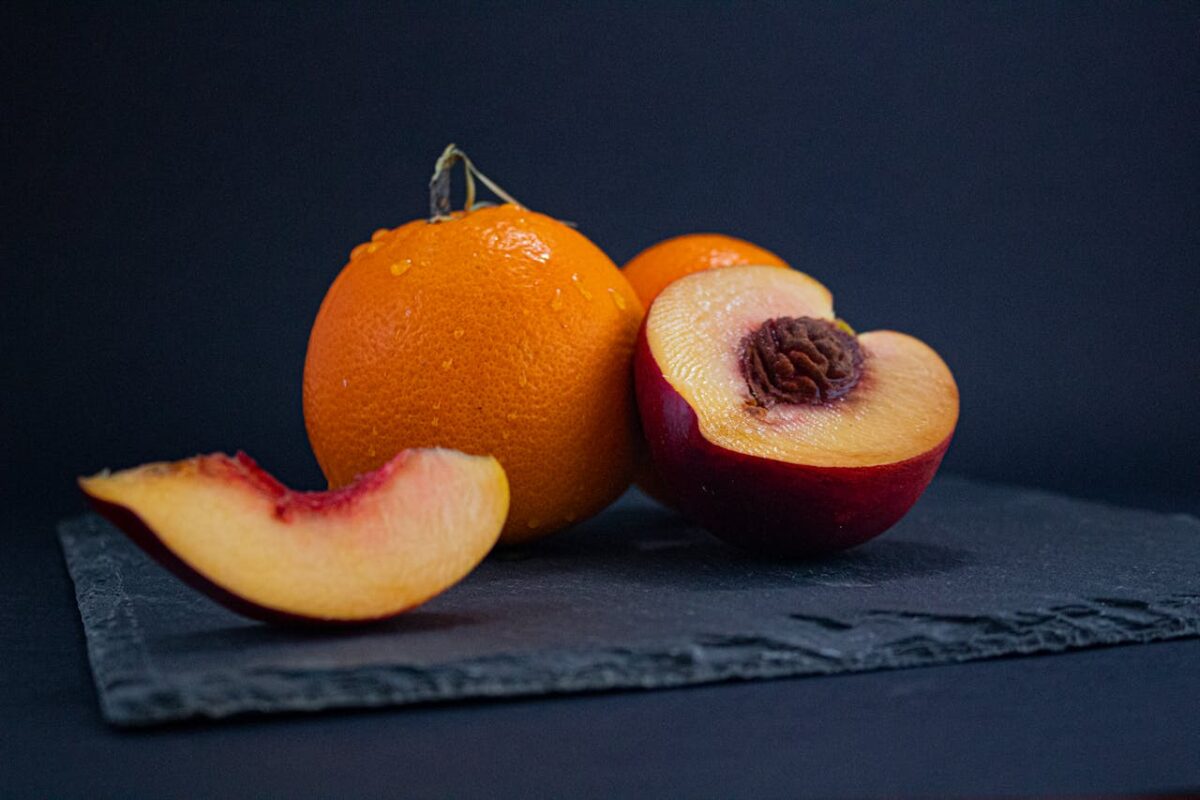
Peaches, cherries, and apricots contain pits that harbor cyanogenic compounds that can release cyanide when ingested. While a single pit is unlikely to be lethal, chewing or crushing them can produce enough cyanide to become dangerous. Cases of poisoning are rare, but they illustrate how natural compounds can act as chemical defenses. The delicious flesh of these fruits distracts from the lethal potential lying within. Awareness and caution,avoiding consumption of pits, eliminates the risk without sacrificing the enjoyment of the fruit. The hidden toxicity demonstrates nature’s duality: something sweet can simultaneously carry danger.
These stone fruits serve as an important reminder of moderation and preparation. Educating children and casual consumers is critical because the fruit’s attractive, harmless appearance encourages curiosity. The key is knowledge, transforming a potential hazard into a safe and enjoyable treat with simple precautions. Even common backyard fruits demand respect for their chemical complexity.
Potatoes , Nightshade Dangers
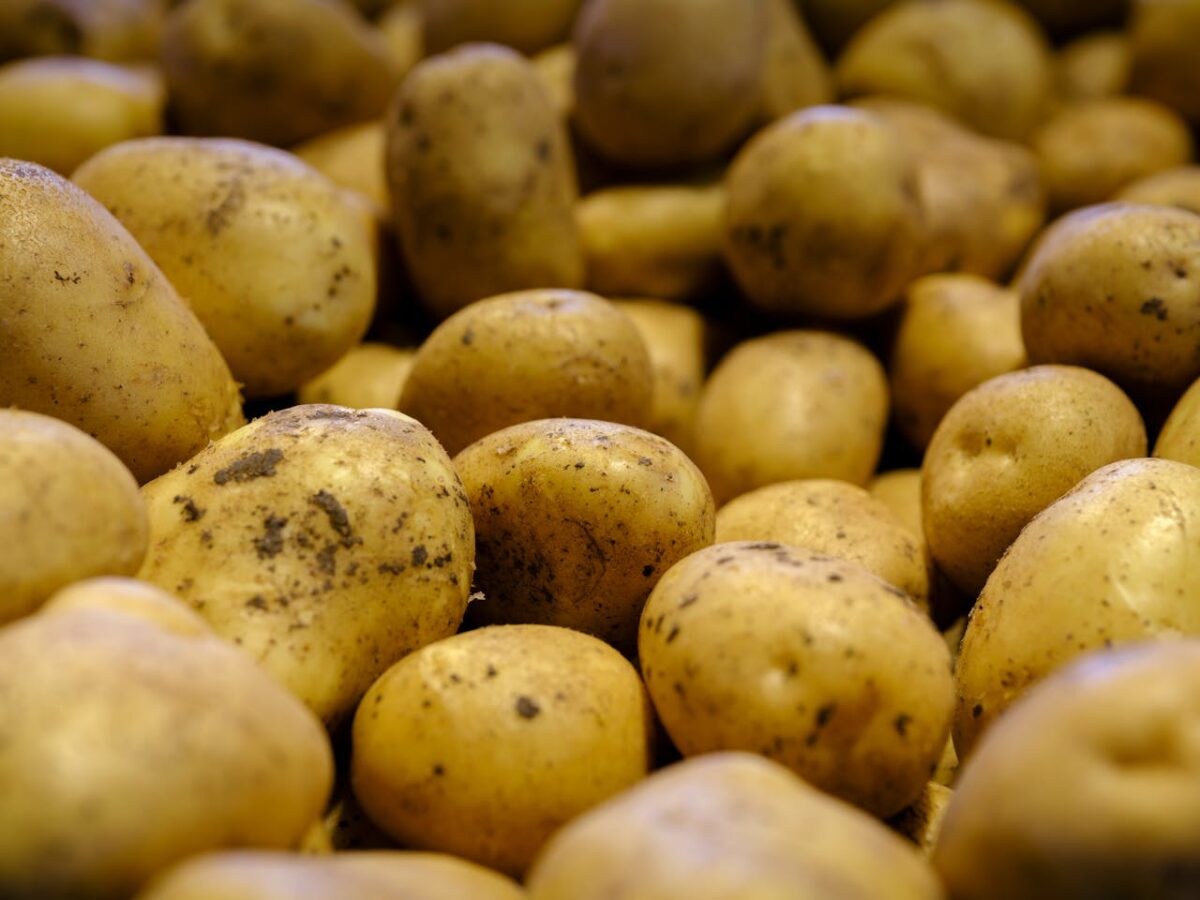
Potatoes are kitchen staples, yet when they turn green or sprout, they produce solanine, a natural toxin. Ingesting high levels can cause vomiting, diarrhea, headaches, and in extreme cases, death. Light exposure during storage accelerates solanine production, turning an ordinary vegetable into a dangerous one. The green tint and bitter taste are warning signs, but these are often ignored. For households, proper storage and trimming of sprouts are essential to prevent accidental poisoning. Potatoes demonstrate that even common, seemingly safe foods can become deadly under the wrong conditions.
The danger of solanine underscores how storage and preparation influence food safety. Knowledge transforms a simple mistake into a preventable incident. Awareness of subtle visual and taste cues can protect families from severe health consequences. Potatoes, though ubiquitous and comforting, require respect and care, reminding us that common foods carry hidden threats if neglected.
Shellfish , Red Tide Risks
Clams, mussels, and oysters can accumulate toxins during harmful algal blooms, known as red tides. These toxins can trigger paralytic shellfish poisoning, affecting nerve and respiratory function. Symptoms may escalate to fatal respiratory paralysis, particularly in high-risk individuals. Unlike other hazards, this risk is environmental rather than intrinsic, underscoring the importance of sourcing and awareness. Monitoring local shellfish advisories protects consumers from these invisible dangers. The seemingly innocuous seafood you enjoy on the coast can carry a lethal secret, depending on water quality and timing.
Shellfish toxicity highlights the interplay between the environment and human consumption. Even experienced diners can be caught unaware if local advisories are ignored. These invisible hazards demand vigilance, underscoring the importance of knowledge and timing in food safety. The natural allure of fresh seafood can conceal potent neurotoxins, creating a deadly paradox.
Mushrooms , The Silent Killers
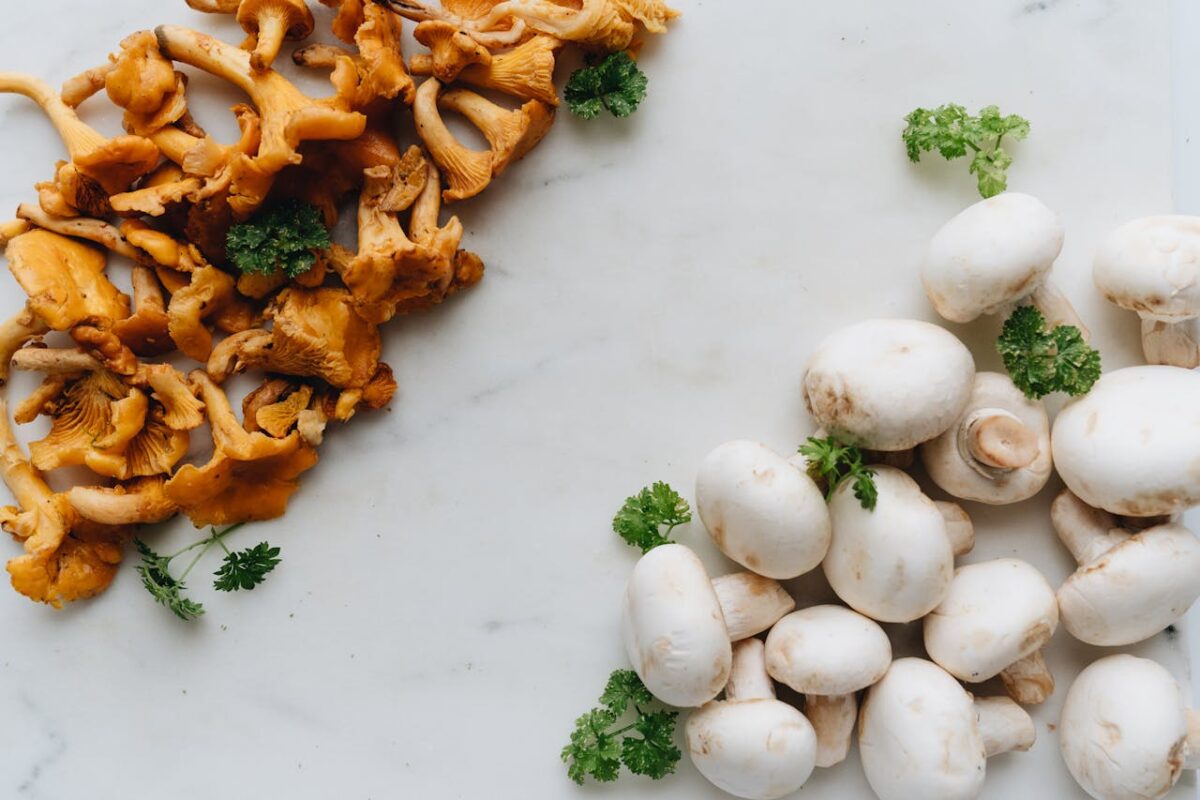
While edible mushrooms are celebrated for their flavor, wild varieties are among the deadliest foods. Species like Amanita phalloides, the death cap, contain potent toxins that attack the liver and kidneys. Even experienced foragers have died after misidentifying mushrooms. Symptoms may take hours to appear, complicating treatment and increasing mortality risk. The deceptive appearance of mushrooms, often colorful and inviting, masks lethal danger. Knowledge, careful identification, and avoidance of unknown varieties are critical to preventing tragedy.
Mushrooms underscore the limits of intuition in food safety. Unlike other foods, visual or taste cues are unreliable indicators of safety. Professional guidance and rigorous identification methods are the only way to navigate this hazardous culinary landscape. Wild mushrooms combine natural beauty with hidden peril, demanding respect and caution from all who encounter them.
Castor Beans , Toxic Elegance
Castor beans produce ricin, a deadly protein that interferes with cellular metabolism. Just a few beans, if chewed and ingested, can be fatal. While castor oil derived from these beans is safe due to processing, the raw seeds are extremely dangerous. Ricin has even been used in bioterrorism due to its lethality. The beans’ glossy, decorative appearance disguises the hidden risk, making casual handling or curiosity potentially fatal. Awareness and strict avoidance of raw seeds are necessary to prevent accidental poisoning in homes or gardens.
Ricin illustrates that natural toxins can rival synthetic ones in lethality. The elegant, shiny bean conceals a biological weapon, demonstrating nature’s capacity for chemical defense. For households and gardeners, education and caution turn deadly curiosity into safe interaction, preserving both safety and intrigue.
Conclusion
The foods on this list reveal a hidden side of everyday ingredients and exotic delicacies. From fugu to castor beans, the line between nourishment and danger can be razor-thin. Awareness, proper preparation, and respect for natural toxins are the keys to survival.
By educating ourselves about the hidden hazards in the foods we consume, we transform potential threats into safe culinary experiences. Cooking, harvesting, and sourcing with vigilance ensures that delicious meals remain enjoyable rather than deadly. Understanding these dangers empowers us to make informed choices, turning kitchens into spaces of safety rather than risk.