10 Dishes Grandma Made Without a Recipe That No One Can Seem to Recreate
Almost every family has one. It is the dish Grandma made from memory, the one everybody begged for, and the one nobody has managed to copy since she passed. Her daughters have tried, her granddaughters have tried, and it never tastes quite the same.
The problem is that she never wrote anything down. She cooked with a pinch of this and a handful of that, and she judged by smell, sound, and the feel of the dough. When someone asked for the recipe, she would laugh and say she just made it.
Those dishes have become family legends. These ten are the ones families most often say they cannot get right, no matter how many times they stand at the stove and try.
1. Biscuits
Grandma’s biscuits were tall, tender, and never the same size twice. She scooped flour with her hand, cut in lard or shortening with her fingers, and added buttermilk until the dough “looked right.” There was no measuring cup anywhere in sight.
The secret was in her hands. She knew exactly when to stop mixing, and overworked dough was never a problem for her. Families who follow a printed recipe often end up with something closer to a hockey puck.
2. Chicken and Dumplings
Her chicken and dumplings started with a whole hen simmered for hours. The dumplings were rolled thin or dropped by the spoonful, depending on where she was from. The broth was rich, silky, and just thick enough to coat a spoon.
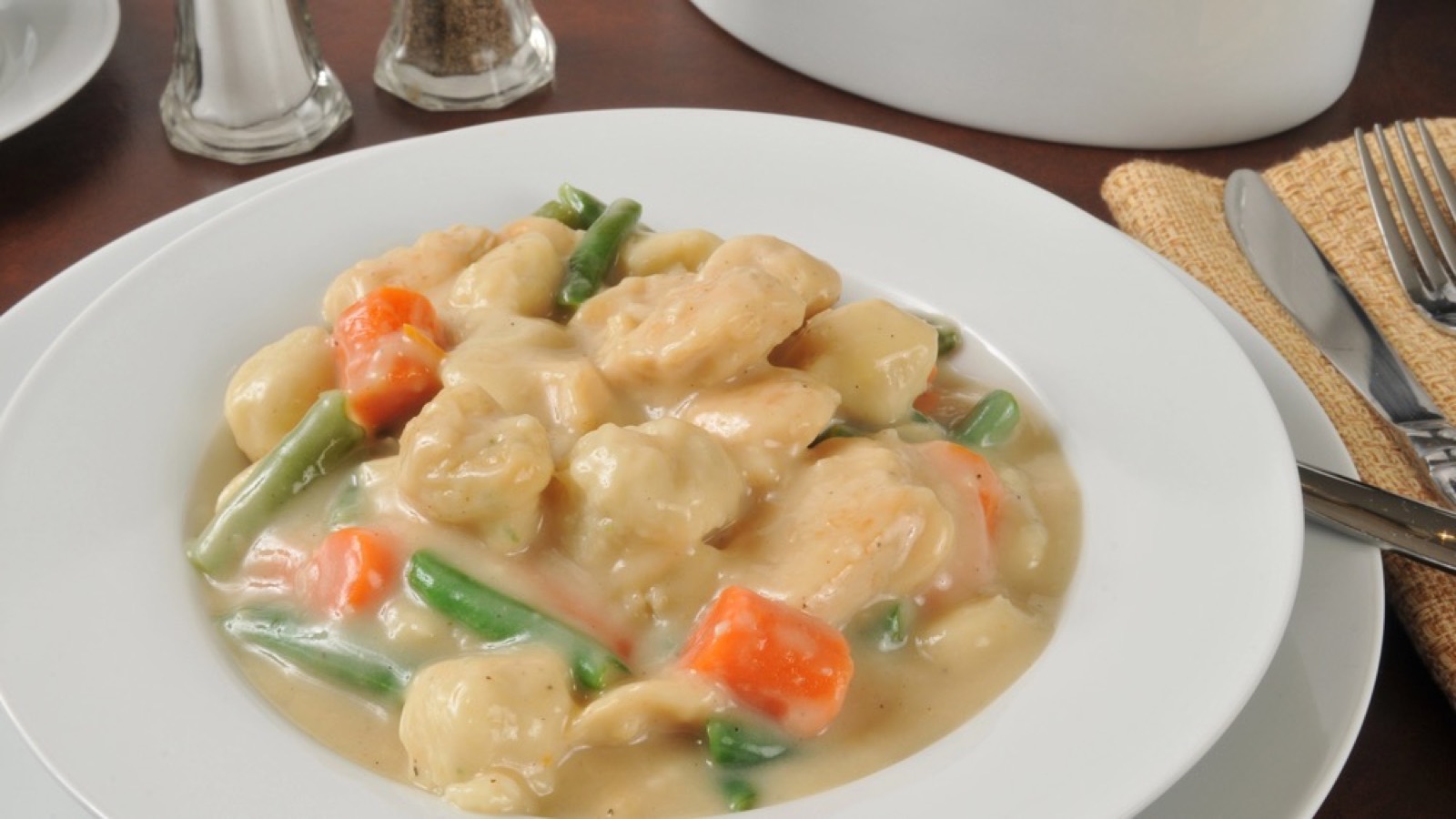
Nobody can agree on what made hers different. Some say it was the old stewing hen, and others swear it was the black pepper. It remains one of the old-fashioned foods families miss most.
3. Pie Crust
Grandma could make a flaky pie crust in five minutes with no recipe at all. She used lard, ice water, and a light touch, and she rolled it out on a floured counter with an old wooden pin. Her crust never shrank, cracked, or turned tough.
Modern bakers measure carefully, chill everything, and still struggle. The feel of the dough is hard to learn from a book. Many granddaughters have quietly given up and bought their crusts from the store.
4. Gravy
Gravy was something Grandma made while talking to three people at once. She stirred flour into the pan drippings, let it brown, and poured in milk or broth without looking. It was smooth every time, with never a lump.
Her gravy depended on drippings that most cooks no longer have. Today’s lean meats and nonstick pans leave very little behind. That is one reason the same steps rarely give the same result.
5. Sunday Pot Roast
Her pot roast went into the oven before church and was falling apart by noon. She seasoned it with salt, pepper, and onions, and the vegetables cooked in the juices. The whole house smelled of it when the family walked back in.
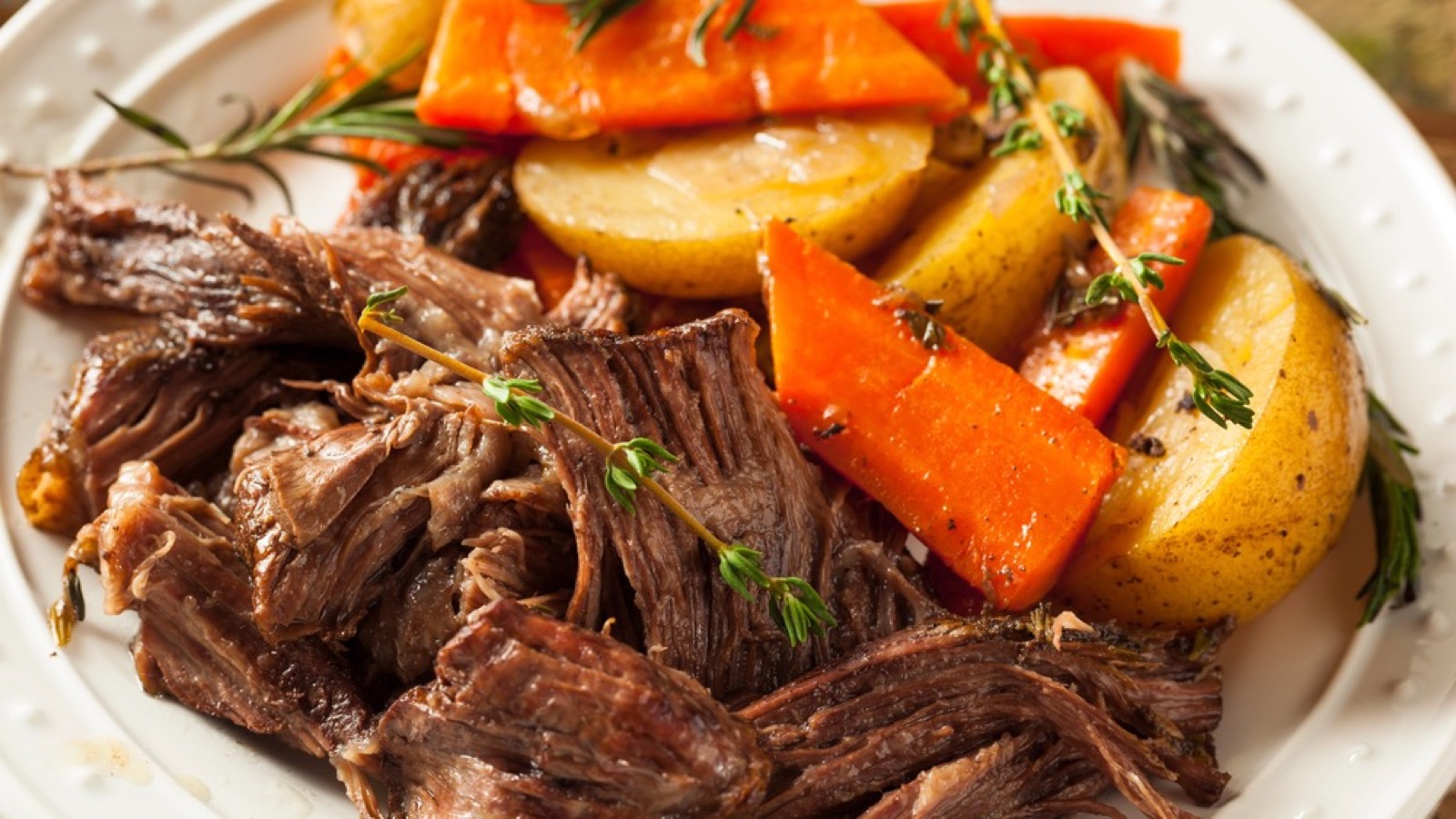
Families often blame their failures on the cut of meat. Beef was fattier decades ago, and Grandma knew exactly how long her old oven took. Her heavy roasting pan, blackened from years of use, did much of the work.
6. Cornbread Dressing
At the holidays, Grandma made dressing from stale cornbread, biscuits, onions, celery, and sage. She moistened it with broth until it felt right and tasted it raw to check the seasoning. No two batches were measured the same way.
This is the dish families argue about most. Everyone remembers it slightly differently, and no written version satisfies them all. It appears on nearly every list of Thanksgiving side dishes, yet Grandma’s version stays out of reach.
7. Homemade Noodles
Many grandmothers rolled out egg noodles on the kitchen table. They mixed flour, eggs, and a little salt, rolled the dough paper thin, and cut it into strips with a knife. The noodles dried on towels or over the backs of chairs.
Those noodles went into soup or were cooked in rich beef broth. They had a chewy bite that store-bought noodles lack. Younger cooks who try them often give up when the dough refuses to roll thin enough.
8. Fried Chicken
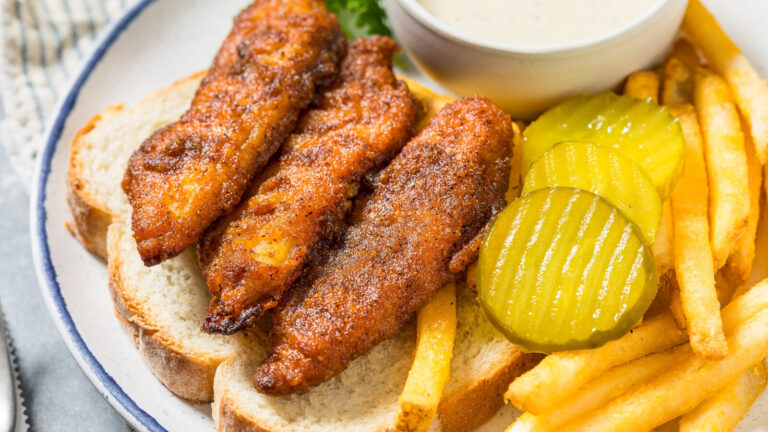
Grandma’s fried chicken was crisp on the outside and juicy all the way through. She soaked it, floured it, and fried it in a cast-iron skillet filled with lard or shortening. She could tell by the sound of the sizzle when to turn each piece.
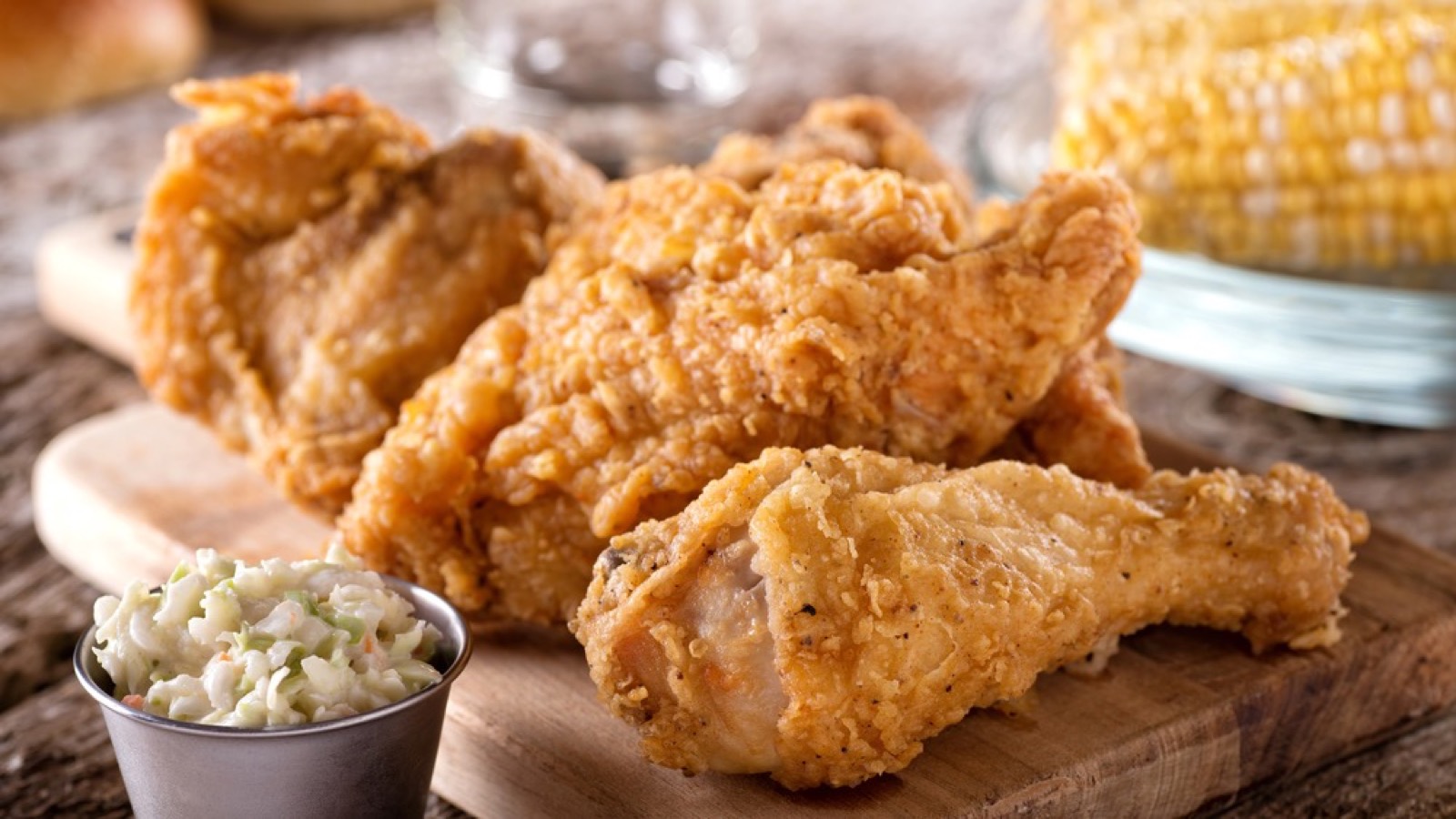
Getting the temperature right is the hard part. She never owned a thermometer, though today’s cooks are wise to use one, since the USDA says chicken should reach 165 degrees inside. Her skill came from frying chicken hundreds of times.
9. Fudge and Boiled Frosting
Old-fashioned fudge is famous for failing. Grandma boiled sugar, cocoa, and milk, then tested it by dropping a bit into a cup of cold water. She beat it by hand until it lost its shine and poured it out at exactly the right second.
A few seconds too long and it turned to sand. A few seconds too short and it never set. Her boiled frosting worked the same way, which is why so few people attempt it today.
10. Homemade Bread and Rolls
Her yeast rolls were soft, golden, and brushed with butter. She knew the dough was ready by pressing it with a finger. She let it rise near the stove and never looked at a clock.
Bread baking depends on the weather, the flour, and the warmth of the kitchen. Grandma adjusted for all of that without thinking about it. A recipe card cannot capture the many small decisions she made along the way.
Why Her Cooking Is So Hard to Copy
The main reason is practice. Grandma cooked three meals a day for fifty years, and she made the same dishes hundreds of times. Her hands learned what no recipe could teach.
Ingredients have changed as well. Flour, lard, chickens, and beef are all different from what she bought in 1955. Even a faithful copy of her method starts with different raw materials.
Her tools mattered too. A seasoned cast-iron skillet, a wood-handled rolling pin, and an oven with its own hot spots all shaped the result. Many families now treasure those vintage kitchen items as much as the recipes themselves.
How to Save the Recipes You Still Can
If an older relative is still cooking, the best thing to do is stand beside her. Measure what she puts in before it goes into the bowl, and write down what she says as she works. Taking a video on your phone is even better.
Ask about the brands she buys, the pan she uses, and how she knows when it is done. Those small details are usually where the secret hides. And remember that part of the flavor was the kitchen itself, the people in it, and the love that came with every plate.