10 Disturbing Reasons Americans Are More Lonely Than They Look Online
A person can post a smiling brunch photo, reply to five group chats, like a coworker’s vacation reel, and still eat dinner alone over the kitchen sink. That is the strange trick of modern American life. The phone looks full, but the room feels quiet.
This is why Americans are lonelier than they look online. Many people are not completely isolated. They have followers, coworkers, relatives, group chats, and weekend plans. Still, something deeper is missing. They are seen all day, but not always known.
Online life has made connecting look easier than ever. Real closeness, though, still takes time, effort, trust, and presence. A like cannot replace a friend who shows up. A comment cannot replace a real conversation. A busy feed cannot replace a safe place, to be honest.
Social Media Makes Life Look Fuller Than It Feels

Social media is very good at making loneliness look attractive. A person can post gym selfies, dinner photos, birthday pictures, and weekend highlights while feeling disconnected in real life. The feed shows movement, but it rarely shows meaning.
That is where the problem starts. People begin to mistake visibility for closeness. They feel watched, but not understood. They feel followed, but not supported.
A lie may feel nice for a second. A comment may create a tiny spark of attention. Still, when life gets heavy, most people do not need another reaction emoji. They need someone who will call, listen, and stay.
Group chats have replaced real-time together.
The American group chat can feel alive. Friends send memes, screenshots, jokes, complaints, and quick updates all day. Someone says, “We need to hang out soon,” and everyone agrees.
Then nothing happens. Weeks pass. Plans never leave the phone. People know each other’s jokes, but not each other’s real struggles. The friendship keeps moving, but only on the surface.
Group chats are not bad. They can help people stay connected. The problem comes when they replace actual time together. Real friendship needs more than messages. It needs shared meals, long talks, casual visits, and moments away from screens.
Americans Do Not Know Their Neighbors Like They Used To
There was a time when neighbors were part of ordinary American life. People borrowed tools, waved from porches, watched each other’s kids, and noticed when something seemed wrong. That kind of simple connection made neighborhoods feel human.
Now, many people live close together but barely know each other. They recognize cars, not names. They pass each other in hallways, parking lots, and driveways without ever building real trust.
This matters more than people think. A friend online can make you laugh. A neighbor nearby can notice when your lights stay off, your mail piles up, or your routine suddenly changes. Local connection gives daily life a kind of safety that the internet cannot provide.
When Americans stop knowing the people closest to them, life becomes more private. It also becomes lonelier.
Remote Work Made the Weekday Quiet

Remote work gave many Americans freedom. No commute. No office small talk. No bad breakroom coffee. No pretending to be busy under fluorescent lights.
Still, remote work also made many weekdays strangely silent. A person can spend all day in video meetings, answer dozens of messages, and finish every task without having one warm human moment.
The office had problems. Nobody misses traffic, forced small talk, or meetings that could have been emails. Yet the workplace also created small social rhythms. A coworker noticed your tired face. Someone asked about your weekend. Lunch happened without a calendar invite.
Remote work is not the enemy. Isolation is. Many Americans gained flexibility, but lost the casual contact that once made the workday feel less empty.
Adult Friendship Has Become Too Hard to Schedule
Adult friendship in America can feel like planning a medical procedure. Someone has kids. Someone works late. Someone is broke. Another person is exhausted. A simple dinner turns into a long negotiation about time, traffic, money, and energy.
The friendship may still matter. The problem is that life keeps getting in the way.
This is one reason Americans are lonelier than they look online. They may have friends in theory, but not enough friendship in practice. They care about people they rarely see.
Friendship needs repetition. It grows through ordinary contact. Coffee after work, Sunday walks, game nights, cheap dinners, and quick visits all matter. When every hangout becomes a major event, even strong friendships can slowly fade.
Dating Apps Gave People Options Without Real Closeness
Dating apps promised connection from the couch. For many Americans, they delivered exhaustion instead.
A person can match with ten people and still feel unwanted. Another can text someone for a week and never meet. Someone else can go on dates every month and still come home feeling empty.
That kind of loneliness hurts because it happens while people are actively trying to connect. They swipe, flirt, dress up, make plans, and hope for something real. Then the conversation fades. The date disappoints. The person ghosts. The cycle starts again.
Modern dating can make people feel replaceable. One awkward message can end everything. One slow reply can create anxiety. One better profile can steal attention. Dating apps did not invent loneliness, but they made rejection easier to repeat.
Success Culture Makes Loneliness Hard to Admit

America loves people who look busy. Stay productive. Stay booked. Stay positive. Build your brand. Fix your body. Grow your career. Heal your trauma. Keep moving.
That pressure makes loneliness feel embarrassing. Many people perform “fine” because they do not want to look needy. They post the promotion, the vacation, the gym photo, the clean apartment, and the perfect Sunday reset. Everything looks polished. Nothing looks lonely.
Underneath, many Americans want something simple. They want someone to check in. They want a dinner invite. They want a friend who remembers details. They want a room where they do not have to impress anyone.
Loneliness grows when people are taught to look successful instead of supported.
Families Are More Spread Out and Complicated
Many American families are scattered now. Parents live in one state. Adult children live in another. Siblings move for work. Grandparents may be far away. Holidays become the main reunion.
Distance changes support. A FaceTime call can help, but it is not the same as someone dropping by with soup. A family group chat can be funny, but it is not the same as Sunday dinner.
Family conflict can make loneliness worse. Politics, religion, divorce, money, parenting choices, and old wounds can push relatives apart. Some people love their families but still feel safer at a distance.
That is the painful part. A person can have a large family and still feel alone. Blood ties do not always create emotional safety.
Fun Has Started Feeling Like a Luxury
Loneliness does not always come from having no people. Sometimes it comes from having no energy left for joy.
Many Americans are tired before the weekend starts. Rent is high. Groceries feel personal. Work follows people home. Parents are stretched thin. Young adults are anxious. Middle-aged workers are juggling bills, children, aging parents, and health worries.
Even fun takes effort now. Dinner costs more. Concert tickets feel ridiculous. Travel needs a budget meeting. A casual night out can turn into a financial decision.
That matters because fun holds people together. Cookouts, bowling nights, church picnics, tailgates, diner breakfasts, trivia nights, and backyard fire pits are not small things. They are the glue of ordinary connections.
When fun disappears, friendship loses one of its easiest doors.
Many Americans Feel Seen, But Not Known
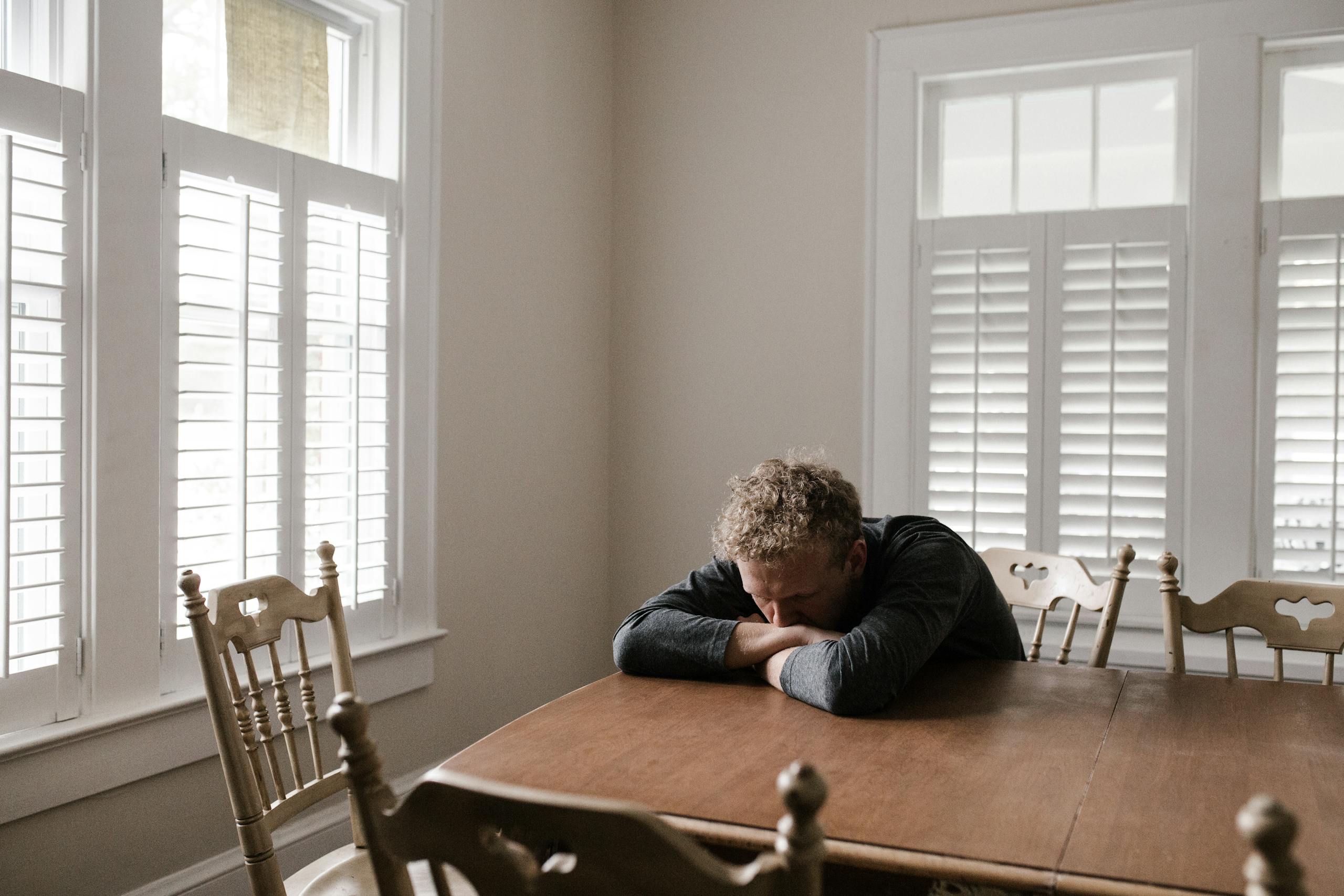
The deepest loneliness is not always about being physically alone. Someone can have coworkers, roommates, relatives, followers, neighbors, and weekend plans, yet still feel unseen.
Nobody knows the full story. Nobody hears the change in their voice. Nobody asks the question that would finally open the truth. Nobody notices that they are slowly disappearing behind routine.
This kind of loneliness hides well. The person keeps working. They keep posting. They keep smiling. They keep paying bills. From the outside, life looks normal. Inside, it feels like standing behind glass.
Americans do not just need more contacts. They need more people who make them feel known. That is the difference between being visible and being held.
Conclusion
Americans are not lonely because they forgot how to post. They are lonely because posting is not the same as being known. A full phone can hide an empty room. A busy feed can cover a quiet life. A person can be seen by hundreds and understood by almost no one. That is the emotional trick of modern connection.
The country has become very good at displaying life. It is not always good at sharing.
Real connection is usually simple. It is the neighbor who waves every morning. The friend who checks in without needing drama. The sibling who calls for no reason. The coworker who notices your silence. The group that expects you to show up.
The internet can keep people updated. Only a real connection can hold people.