10 Food Fads From the 1970s That Boomers Remember Trying
The 1970s were a wild time to be hungry. Kitchens were painted harvest gold and avocado green, dinner parties came with shag carpet and a stereo, and every month seemed to bring a new gadget, mix or recipe that everyone had to try. If your neighbor had it, you wanted it too.
Some of those food trends came from clever marketing, some from the space race, and some from a country that was just looking for something fun and different to put on the table. A few of them are still around, while others vanished so completely that younger people have no idea they ever existed.
Chances are you tried at least half of these, maybe at a party, maybe at your aunt’s house or maybe in your own kitchen with a brand-new appliance still in the box. Here are ten food fads from the 1970s that boomers remember trying.
1. Fondue Parties
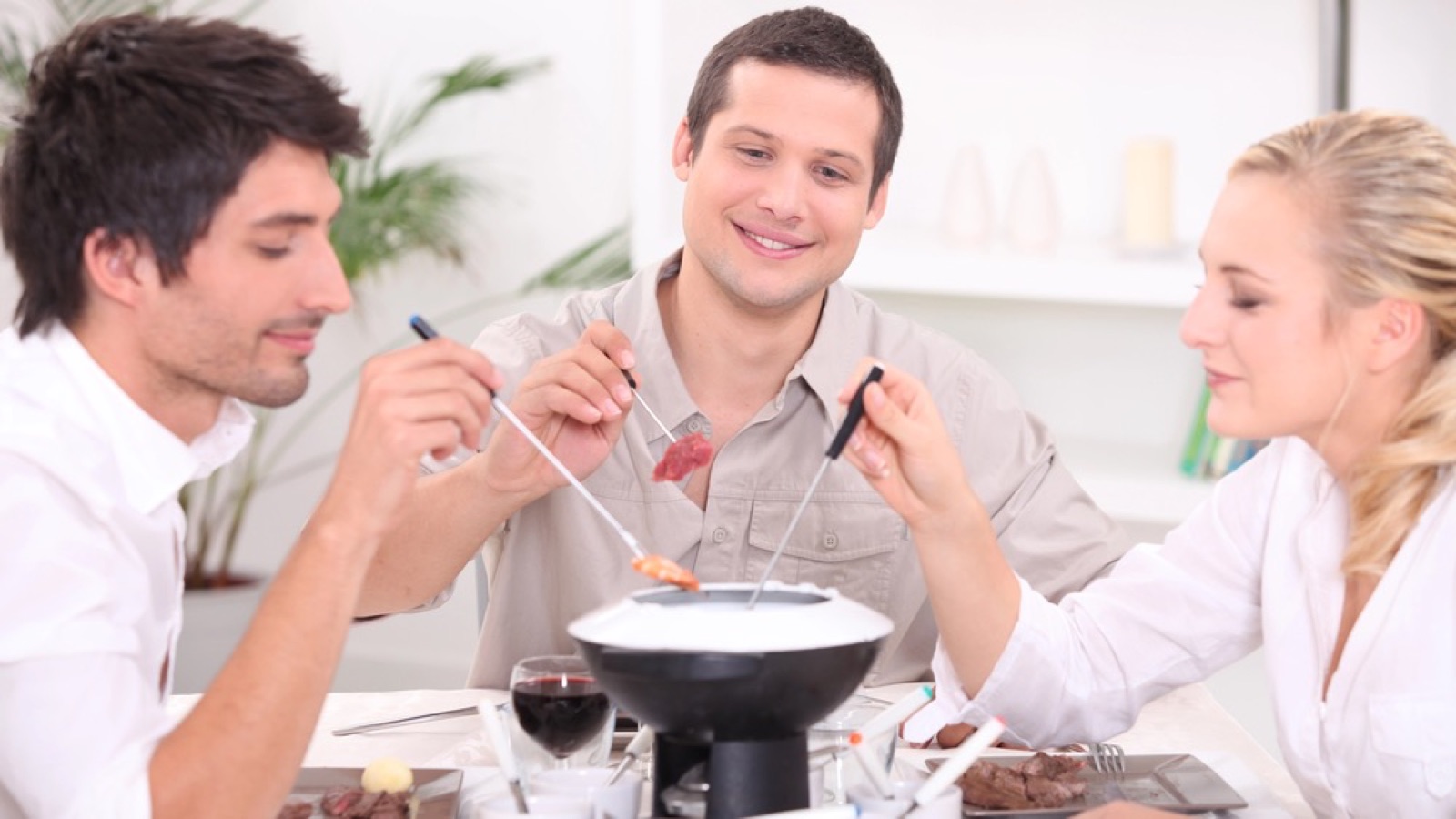
No food says the 1970s quite like a pot of melted cheese with long skinny forks. Fondue parties were the height of sophistication, with guests gathered around a little burner dipping cubes of bread and trading jokes about whoever dropped theirs in the pot. Many couples got a fondue set as a wedding gift and actually used it.
The craze was not entirely an accident. As NPR reported, a powerful group of Swiss cheesemakers known as the Swiss Cheese Union pushed fondue hard in the 1970s with ads full of good-looking people in ski sweaters. If you have a dusty red or orange fondue pot in the back of a cabinet, it is a souvenir of that era.
2. The Crock-Pot
The slow cooker changed how millions of families got dinner on the table. Rival unveiled the Crock-Pot at the National Housewares Show in Chicago in 1971, and Mental Floss reports that it earned $2 million in its first year, with sales roughly doubling each year after that. Its promise was simple, as ads put it, that it “cooks all day while the cook’s away.”
Boomers remember the earth-toned crocks filling kitchens with the smell of pot roast, chili and barbecue meatballs. Working moms especially loved being able to toss ingredients in before work and come home to a hot meal. It may be the most lasting food trend of the whole decade.
3. Hamburger Helper
When beef prices climbed and money was tight, Hamburger Helper arrived to stretch a pound of ground beef into dinner for the whole family. According to General Mills, it launched on the West Coast in December 1970 and went national in August 1971 with five flavors, including Beef Noodle, Potato Stroganoff and Chili Tomato. A stunning 27% of U.S. households bought it in its first year.
The secret was that everything cooked in one pan, which made cleanup easy. The friendly glove mascot showed up in 1977 to give sales a boost. Many boomers who grew up on it still keep a box or two in the pantry for nostalgic nights.
4. Watergate Salad
Watergate salad was a fluffy, minty-green mix of pistachio pudding, canned pineapple, whipped topping, nuts and often mini marshmallows. It showed up at potlucks, church suppers and holiday tables across the country. NPR notes that the standard version likely came from the Jell-O brand after it introduced pistachio pudding mix in the mid-1970s.
Jell-O called it “pineapple pistachio delight,” and the company did not use the Watergate name until 1993. The nickname most likely came from a similar Watergate cake that was making the rounds in 1974, just after President Nixon resigned. Whatever the reason, the name stuck, and it is still a family favorite in many homes.
5. Pop Rocks
Pop Rocks were the candy that crackled and fizzed on your tongue, and every kid had to try them at least once. According to Mental Floss, General Foods chemist William Mitchell first stumbled onto the idea in 1956 while trying to make a fizzy drink powder. The candy was tested in Canada in 1975 and rolled out across the U.S. in 1976.
Pop Rocks also came with one of the most famous playground rumors of the decade. Kids whispered that eating them with soda would make your stomach explode, a story that was completely false but spread like wildfire. Boomers still remember daring each other to try it.
6. Space Food Sticks
The moon landing made everything space-themed feel exciting, and Pillsbury jumped right in with Space Food Sticks. These chewy, stick-shaped snacks came in several flavors and were marketed as a treat inspired by what astronauts took into space. Kids loved feeling like they were eating something straight out of a NASA lunch box.
They were a lunch box and after-school favorite through the early 1970s. Pillsbury later dropped “Space” from the name, and the snack faded from shelves over time. Many boomers say Space Food Sticks were one of the coolest things a kid could pull out at lunch.
7. Tang
Tang was not invented in the 1970s, but it rode its space-age image right through the decade. The orange drink powder was created by General Foods in the late 1950s, and its popularity soared once it became linked with NASA’s astronauts in the 1960s. NASA’s own food scientists have since called the idea that the agency invented Tang a myth.
That did not stop millions of kids from feeling like astronauts every morning. Moms stirred it up by the pitcher, and it showed up at breakfast tables, sleepovers and road trips. For many boomers, the taste of Tang is the taste of the space race.
8. Harvey Wallbanger Cake
The Harvey Wallbanger cocktail, made with vodka, orange juice and the Italian liqueur Galliano, was one of the most popular drinks of the early 1970s. It was born from a 1969 marketing campaign for Galliano, starring a cartoon surfer named Harvey. Before long, home bakers turned the drink into a cake.
The Harvey Wallbanger cake usually started with a boxed cake mix, then got a boost from orange juice, vodka and Galliano before being baked in a Bundt pan and finished with a glaze. It was a hit at dinner parties and baking contests. Today, younger cooks are often surprised that something so boozy was so common at family gatherings.
9. The Salad Bar
The all-you-can-eat salad bar was a 1970s thrill. Suddenly, diners could build their own plate from a long chilled counter of lettuce, shredded cheese, croutons, bacon bits, chickpeas and four kinds of dressing. Chicago’s R.J. Grunts, which opened on June 10, 1971, is credited by Lettuce Entertain You with being among the first restaurants to offer one.
Steakhouses and family restaurants across the country quickly added their own. For kids, the salad bar was an adventure, mostly involving as many croutons and as much ranch as one plate could hold. Many boomers still feel a twinge of nostalgia when they spot a sneeze guard.
10. Quiche
By the late 1970s, quiche had become the brunch and dinner party dish of the moment. The French egg and cream pie, often filled with ham, bacon, spinach or Swiss cheese, seemed elegant and modern. Hostesses served it with a green salad and a glass of white wine and felt very cosmopolitan.
Quiche became so trendy that it turned into a punch line. The 1982 humor book “Real Men Don’t Eat Quiche” poked fun at the whole craze and gave the dish a reputation it never quite shook. Still, plenty of boomers kept right on baking it, and it remains a holiday brunch favorite today.
A Decade That Loved to Experiment
The 1970s were a decade of bold flavors, new appliances and a real sense of fun in the kitchen. Some of these fads were silly and some were brilliant, but all of them say something about the people who tried them. Many show up among the foods that take you back to American kitchens of that decade.
If you lived through it, you probably have a story about at least one of these, like a fondue disaster or a first taste of Pop Rocks. It is one of those things only people who grew up in the ’70s will understand. Which of these 1970s food fads did you try, and which one would you bring back? Tell us in the comments.