10 Foods Grandma Kept in the Cellar All Winter
Before supermarkets stayed stocked year-round, before big freezers and before produce flew in from around the world, families had to plan for winter. In many rural homes, that meant filling the cellar in the fall. When the snow came and the garden was frozen, Grandma could still go down the cellar steps and come back with potatoes, apples and jars of everything she’d canned.
The root cellar, or simply “the cellar,” was cool, dark and slightly damp, the perfect conditions for keeping many foods fresh for months. Grandchildren remember the musty smell, the dirt or stone floor and the rows of shelves lined with jars. Here are ten foods Grandma kept in the cellar all winter, and how she made them last.
1. Potatoes
Potatoes were the backbone of the winter cellar. Families harvested them in the fall, let them cure for a week or two and then stored them in bins, burlap sacks or wooden crates. Kept cool and dark, potatoes could last well into spring.
Grandma checked them regularly and pulled out any that started to sprout or soften. Potatoes fed the family all winter as mashed potatoes, fried potatoes, potato soup and more. They were one of the most dependable foods in the cellar.
2. Apples
Apples were another cellar staple. Late-season varieties that kept well were carefully picked, sorted and stored in barrels or crates, sometimes wrapped individually in newspaper. Any bruised apples were used right away, since one bad apple could spoil the bunch.
Throughout the winter, Grandma pulled apples from the cellar for pies, applesauce, apple butter and simple snacks. Grandchildren remember the sweet smell of apples drifting up from the cellar. By late winter, the apples might be a bit wrinkled, but they were still good for baking.
3. Carrots
Carrots were often stored in boxes or buckets of damp sand or sawdust. This kept them from drying out and helped them stay crisp for months. Grandma would dig through the sand to pull out a handful whenever she needed them.
Carrots went into stews, soups, roasts and side dishes all winter long. Storing them this way was an old method passed down through generations. Some gardeners still use it today.
4. Onions
Onions were cured in the sun after harvest, then braided or hung in mesh bags in the cellar. They needed cool, dry conditions with good air circulation. Properly stored onions could last for months.
Onions were essential for cooking, flavoring everything from soups to roasts. Many grandchildren remember braids of onions hanging from the cellar ceiling. They were a staple that Grandma used almost every day.
5. Cabbages
Cabbages were often stored in the cellar for winter use. Some families wrapped them in newspaper or hung them upside down by their roots. Others turned cabbage into sauerkraut, packing it into crocks to ferment.
Sauerkraut was a winter staple in many German, Polish and Eastern European families. It added tangy flavor to meals and kept well for months. Fresh cabbage was also used in soups, coleslaw and stuffed cabbage rolls.
6. Winter Squash and Pumpkins
Winter squash, like acorn, butternut and Hubbard, along with pumpkins, kept well in a cool, dry spot. Their thick skins protected them for months. Many families stored them on shelves or in the cellar’s driest corner.
Grandma baked squash with butter and brown sugar, made pumpkin pies and added squash to soups. These vegetables brought color and sweetness to winter meals. Some families stored dozens to last through the season.
7. Home-Canned Vegetables
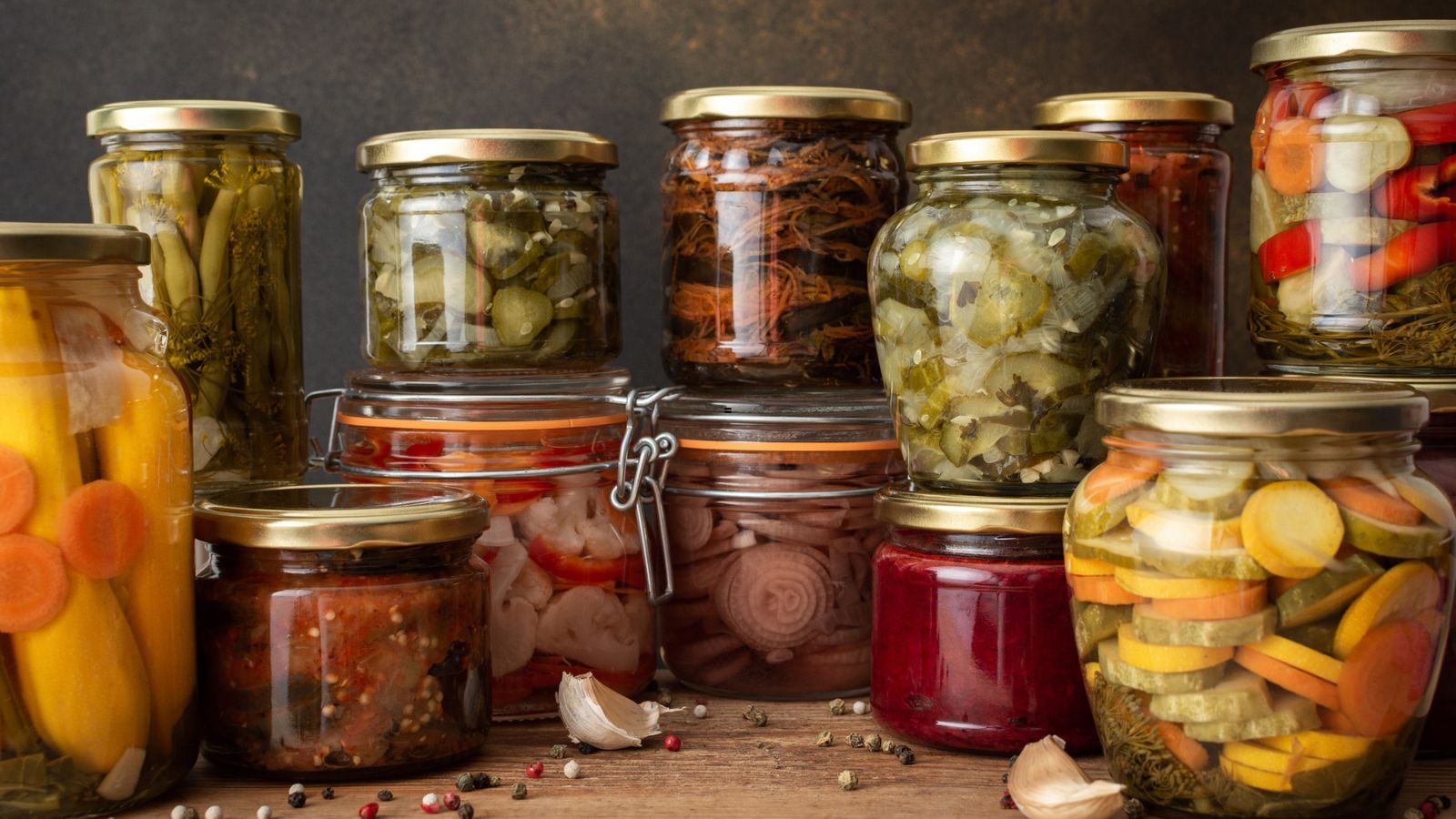
Rows of canned vegetables lined the cellar shelves. Green beans, corn, tomatoes, beets and peas were canned during summer and fall. Grandma spent hot days in the kitchen, filling jars and processing them in a canner.
These jars were a source of pride. They represented hours of hard work and ensured the family had vegetables all winter. Many grandchildren remember being sent to the cellar to fetch a jar of green beans or tomatoes for supper. Older guides on Depression-era habits often describe these full cellar shelves.
8. Jams, Jellies and Preserves
Jars of jam, jelly and fruit preserves also filled the cellar shelves. Strawberry, blackberry, grape, peach and apple butter were common. Grandma made them during harvest season, often with fruit from her own garden or local orchards.
These sweet spreads brightened winter breakfasts and were used in cookies and cakes. Many families gave jars as Christmas gifts. The colorful rows of jars made the cellar look like a treasure trove.
9. Pickles and Relishes
Pickles were another cellar staple. Dill pickles, bread-and-butter pickles, pickled beets, chow-chow and relishes were made during the summer and stored for winter. Some families made pickles in large crocks, while others canned them in jars.
Pickles added flavor and crunch to winter meals. They were served with sandwiches, at holiday dinners and as snacks. Many families had special pickle recipes passed down through generations.
10. Salt Pork and Cured Meats
In some homes, cured meats were stored in the cellar. Salt pork, ham and bacon could be cured and kept in a cool place. Some families also stored lard in crocks for cooking and baking.
These meats provided protein and flavor during the winter months. Salt pork was used to season beans and greens, while ham was saved for special meals. Before refrigeration, curing was one of the main ways to preserve meat.
Why the Cellar Worked So Well
Root cellars worked because they stayed cool, dark and fairly humid, which slowed spoilage. Underground spaces kept a steady temperature, protecting food from freezing in winter and from heat in summer. Different foods needed slightly different conditions, so experienced cooks knew where to store each item.
Today, the University of Minnesota Extension and other experts still share guidance on storing vegetables for winter, much of it based on the same principles. Some homeowners are building root cellars again as interest in gardening and self-sufficiency grows.
The Cellar as a Symbol of Security
For Grandma, a full cellar meant security. It meant the family wouldn’t go hungry during a hard winter. Many grandmothers lived through the Great Depression and knew the value of being prepared.
Grandchildren often remember the cellar with a mix of fear and fascination. It was dark and a little spooky, but it held treasures. Being sent to fetch something from the cellar was a big responsibility.
Keeping the Tradition Alive
Today, most families rely on refrigerators, freezers and grocery stores. But some are bringing back the old ways, canning vegetables, storing potatoes and building root cellars. They appreciate the satisfaction of growing and preserving their own food.
For those who remember Grandma’s cellar, these practices bring back fond memories. The rows of jars, the smell of apples and the sense of preparedness are part of a way of life that shaped generations. And while times have changed, the wisdom of the old cellar still has something to teach.