What U.S. Navy Sailors Eat Aboard Submarines Might Surprise You
Imagine being hundreds of feet beneath the ocean, surrounded by machinery, narrow passageways, and very little room to move around. Now imagine someone announcing that lunch includes freshly prepared lasagna, Italian sausage, and warm bread.
That might sound more like a restaurant menu than something served aboard a military submarine.
Yet documented U.S. Navy submarine meals include everything from made-to-order omelets and grilled chicken to homemade desserts and occasional steak-and-lobster dinners.
The surprising part isn’t that sailors enjoy luxurious meals every day. It’s that submarine cooks manage to prepare such varied food while working in remarkably cramped spaces.
Menus vary by vessel, mission, and available provisions. Some of the most detailed publicly documented examples come from reporting aboard the USS Jefferson City in 2003, while more recent Navy accounts confirm that cooking from scratch remains part of submarine food service.
Breakfast Can Include Omelets, Pancakes, and French Toast
Forget the assumption that submarine sailors begin every morning with a packaged snack or a can of something unrecognizable.
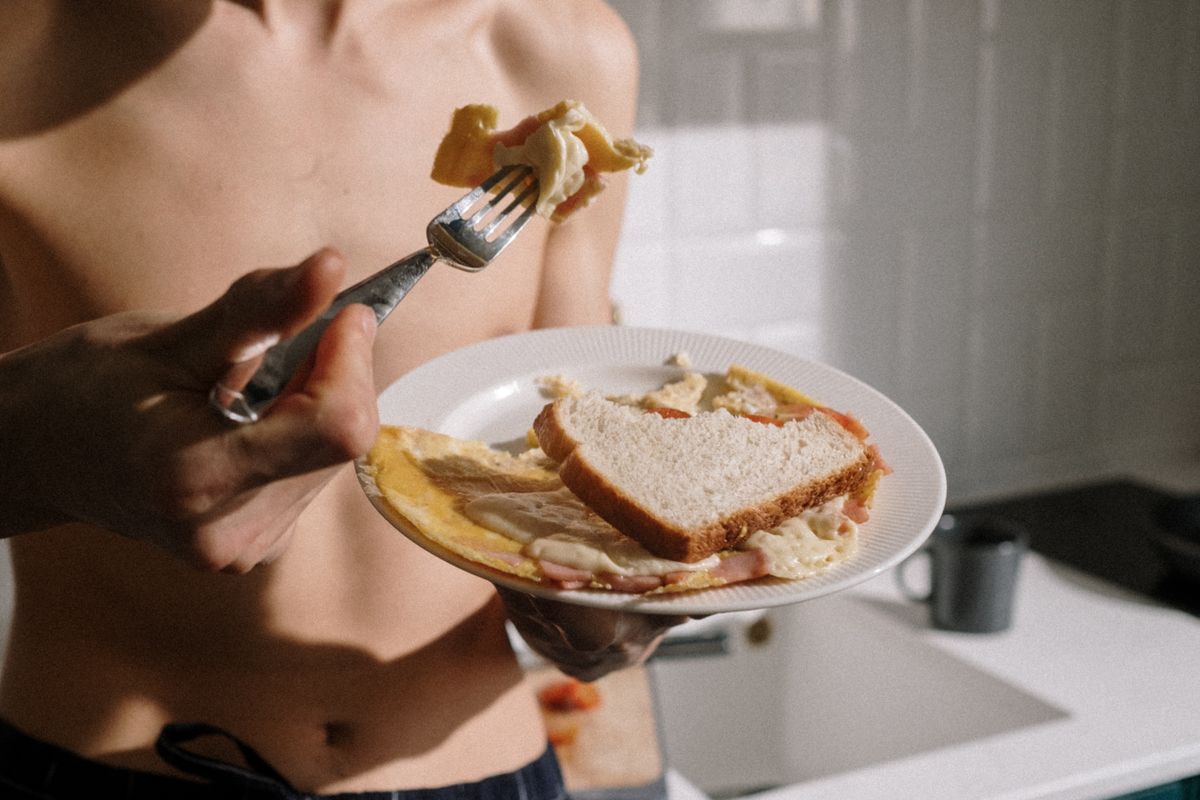
During a 2003 visit aboard the USS Jefferson City, the Los Angeles Times documented breakfast options including eggs, bacon, sausage, pancakes, and French toast.
Made-to-order omelets were another offering, while oatmeal and grits appeared among the standard choices. Freshly baked doughnuts also appeared.
Of course, that doesn’t mean every sailor receives pancakes, omelets, and doughnuts every morning. The selections rotated by day.
Still, the variety challenges the idea that submarine breakfasts must be completely different from those enjoyed at home.
For sailors working unusual schedules, a familiar cooked breakfast can also provide a welcome break from the surrounding machinery and demanding routines.
Fresh Bread Can Come Straight From the Submarine Oven
Freshly baked bread might be one of the last things people imagine finding inside a submarine.
But that’s exactly what cooks have prepared aboard the USS Jefferson City.
In an onboard account published by QSR, the submarine’s galley crew described baking bread daily.
The kitchen equipment documented aboard the vessel included convection ovens, an industrial mixer, a deep fryer, and large cooking pots.
It’s an impressive collection, given the limited working space.
Rather than relying entirely on finished packaged foods, cooks could use stored ingredients to prepare meals from scratch. Fresh bread also highlights how submarine cooking depends on careful planning.
Every ingredient must be stored somewhere, and every meal has to fit within the vessel’s available supplies.
Chicken Comes Breaded, Grilled, and Even Orange Style
Chicken is familiar territory for most American households, but submarine cooks have shown that one ingredient doesn’t have to mean one repetitive meal.
The USS Jefferson City’s culinary team described preparing chicken in different ways, including breading it for one meal and grilling it for another. Orange chicken was another documented offering.
The dish included sesame seeds and fresh green onions, adding finishing touches that might surprise someone expecting only basic military rations.
These examples demonstrate how changing the preparation can make a menu feel different without requiring entirely new categories of ingredients.
It’s a practical approach when shopping for more food isn’t always an option.
The available accounts don’t establish that every submarine serves orange chicken, but they show that creativity isn’t limited to kitchens on land.
Lasagna and Italian Sausage Have Appeared on the Lunch Menu
Lasagna requires a little more effort than opening a package and heating a single portion.
Yet spinach lasagna and Italian sausage appeared together on a Monday lunch menu reported aboard the USS Jefferson City in January 2003.
French onion soup was another item on that menu.
That combination sounds more like a casual Italian restaurant lunch than what many people expect from a submarine galley.
But preparing multiple dishes for a crew takes considerable organization.
Cooks need to coordinate ingredients, equipment, serving times, and how many people are waiting to eat.
Submarine dining spaces also can’t always accommodate the entire crew at once, which means meals may be served in shifts.
The lasagna lunch was a documented menu, not evidence that every U.S. submarine follows the same Monday tradition. Still, it offers a fascinating glimpse into the variety possible at sea.
Pork Fried Rice Shares the Menu With Steak and Fish
Another documented USS Jefferson City dinner featured a surprisingly varied selection of main dishes.
The menu included pork fried rice, teriyaki steak, and Cajun blackened fish.
Instead of one basic entrée, sailors had several distinct flavors represented in the same meal service.
And those weren’t the only interesting combinations reported aboard the vessel.
Another dinner included Dijon baked pork chops with pan gravy, while a Southern-themed lunch featured shrimp gumbo and fried catfish.
The important point is that submarine meals aren’t necessarily limited to a narrow rotation of plain meat and potatoes.
However, these examples come from specific menus documented in 2003. They shouldn’t be mistaken for a standard menu served across today’s entire fleet.
Taco Bowls Can Become an Unexpected Kitchen Surprise
Sometimes submarine cooks go beyond the posted menu.
One particularly creative example involved fried flour-tortilla taco bowls.
According to QSR’s account of the USS Jefferson City, the culinary team used a custom frying mold to shape the tortillas.
The resulting bowls were described as an occasional surprise rather than a routine menu item.
It’s a small detail, but it says a lot about the job.
Cooking aboard a submarine isn’t just about following instructions. It can involve finding inventive ways to prepare familiar foods with limited room and equipment.
The specific fillings weren’t documented, so there’s no reason to assume the bowls contained any particular meat, beans, or toppings.
Even without those details, the homemade tortilla bowls stand out as an unexpected example of submarine kitchen creativity.
Cakes, Ice Cream, and Oatmeal Cookie Pie Make Dessert Interesting
Dessert doesn’t disappear simply because a submarine is operating underwater.
Accounts aboard the USS Jefferson City documented cakes, ice cream, and an especially unusual creation called oatmeal cookie pie.
The oatmeal cookie pie was described as an occasional off-menu surprise, showing that cooks sometimes prepared treats beyond the expected offerings.
An ice cream station was also documented aboard the vessel.
These details don’t mean every submarine has an unlimited dessert supply. Availability depends on the individual vessel and its provisions.
Nevertheless, they offer another example of the variety submarine cooks have managed to create.
Yes, Steak and Lobster Have Been Served Underwater
Perhaps the most surprising documented submarine meal involved prime rib and lobster.
During reporting aboard the USS Jefferson City in January 2003, a journalist observed a lunch featuring prime rib and baked lobster tails seasoned with Old Bay.
The meal also included potatoes, soup, bread, and cakes. That’s quite a contrast with the cramped conditions surrounding the dining area.
But there’s an important distinction: this was one observed meal, not proof that sailors routinely enjoy lobster or steak every day. It also shouldn’t be presented as a universal submarine tradition.
Still, the fact that such a meal was prepared and served aboard a submarine demonstrates how elaborate onboard dining can occasionally become.
How Do Submarine Cooks Make All This Possible?
Behind every submarine meal is considerable planning.
The U.S. Navy’s Culinary Specialist Submarines role includes preparing menus, ordering supplies, maintaining inventories, and managing kitchen operations.
Food must be loaded before deployment and stored within limited available space.
On the USS Jefferson City, the ship has documented refrigerated and frozen storage alongside tightly packed dry provisions.
As fresh supplies diminish, cooks adapt meals to the ingredients remaining aboard. Replenishment opportunities also depend on the mission.
In an August 2026 Navy interview, Culinary Specialist Submarines First Class Spencer Fitzsimmons described submarine cooking as largely scratch based. That helps explain how such a wide range of dishes can emerge from relatively small kitchens.