The Old Fashioned Cooking Habit That Has Younger Cooks Complaining
Picture yourself sitting at your parents’ dinner table. The roast is ready, the potatoes are steaming, and a bowl of green beans sits in the middle. But instead of looking bright and slightly crisp, the beans are soft enough to fall apart with barely a touch of your fork.
For some families, that’s exactly how vegetables are supposed to be cooked. For others, it’s the reason they started preparing vegetables differently once they had kitchens of their own.
The method behind this familiar disagreement is surprisingly simple: boiling vegetables for a long time until they’re extremely soft.
It’s an old-fashioned cooking tradition that has attracted criticism in online conversations about family recipes. However, the disagreement isn’t universal, and plenty of cooks still appreciate vegetables prepared this way.
So why did long boiled vegetables become such a familiar part of American home cooking, and what makes some people prefer a completely different approach?
The Cooking Method That Started the Debate
Boiling vegetables is one of the simplest kitchen techniques imaginable.
Fill a pot with water, bring it to a boil, add vegetables, and cook until they reach the desired texture. The disagreement begins with that final step.
Some cooks prefer green beans with a little resistance when you bite them. Others believe the beans aren’t finished until they’re completely soft.
In a January 2024 discussion on Reddit’s r/Millennials community, participants shared cooking habits they remembered from their parents’ kitchens.
Several commenters criticized boiling vegetables for too long, with some joking about households where practically everything seemed to end up in a pot of water.
These comments capture a recognizable family disagreement, but they aren’t evidence that all Baby Boomers cook alike or that younger generations universally dislike boiling. The more interesting question is why those different expectations exist in the first place.
Old Cookbooks Really Did Recommend Hours of Boiling
If you’ve ever wondered whether people genuinely cooked green beans for several hours, historical cookbooks provide an answer. Fannie Farmer’s Boston Cooking-School Cook Book includes a recipe for string beans that instructs cooks to boil them for anywhere from one to three hours. Yes, hours rather than minutes. The recipe calls for trimming and cutting the beans, cooking them in boiling water, draining them, and finishing with butter and salt.
The goal was a thoroughly softened vegetable. And this wasn’t an isolated example. According to Saveur’s history of slow-cooked green beans, American recipes from the nineteenth and early twentieth centuries also recommended long cooking times.
An 1839 cookbook described slowly boiling green beans until very tender, while a 1928 Southern cookbook recommended cooking snap beans for two to three hours. These instructions existed long before Baby Boomers were born.
That makes prolonged boiling an inherited American cooking tradition, not something one generation invented.
Why Soft Vegetables Were Once So Appealing
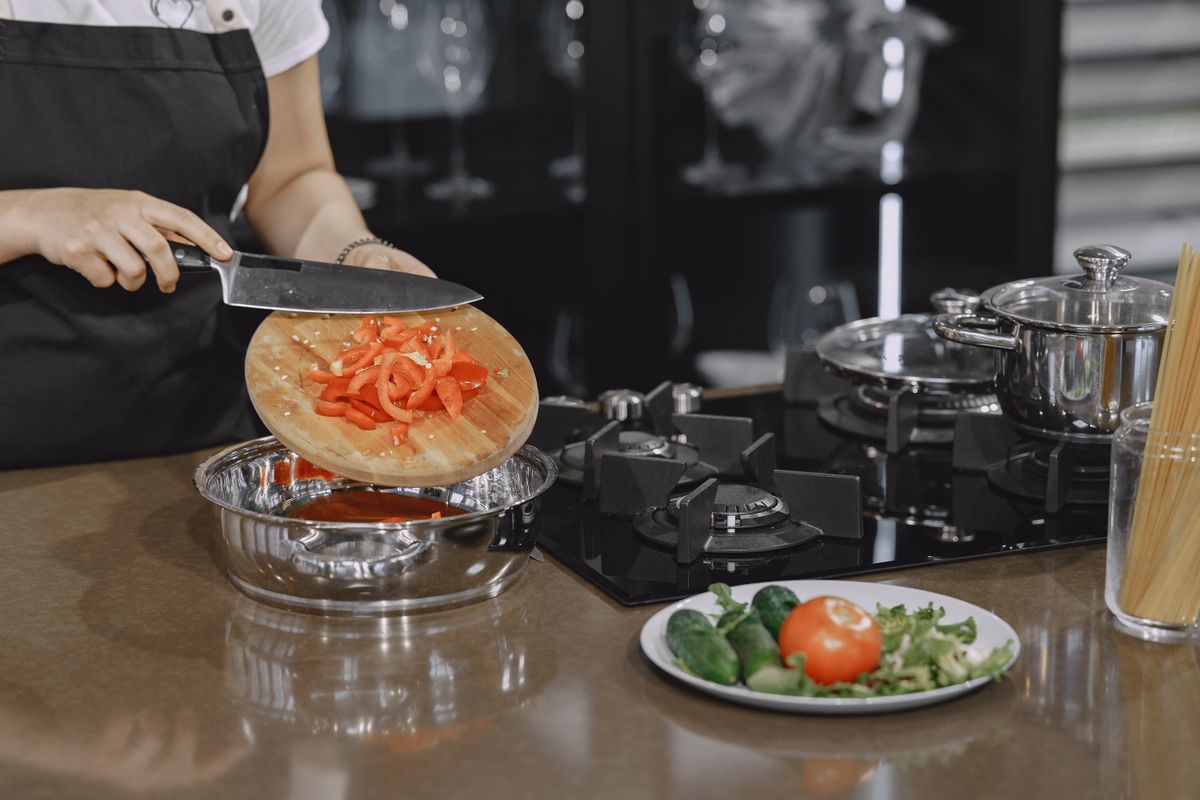
Here’s something that often gets overlooked in arguments about old-fashioned cooking: softness wasn’t necessarily an accident. For many traditional recipes, it was the intended result. Older vegetable preparations frequently emphasized tenderness rather than preserving a firm bite.
In some Southern-style recipes, green beans were also simmered with ingredients such as onions, garlic, and smoky meat. As they softened, the beans absorbed flavors from the cooking liquid.
That’s quite different from dropping plain green beans into boiling water, forgetting about them, and draining away the liquid.
One preparation deliberately builds flavor during a long simmer. The other can leave vegetables softer than the cook intended. And the distinction matters.
A bowl of slow-simmered green beans with savory cooking liquid offers a different dining experience from vegetables served crisp-tender with a light coating of butter. Neither approach has to replace the other.
Why Some Home Cooks Prefer a Firmer Bite
For people who grew up eating very soft vegetables, discovering different preparation methods can feel like an entirely new kitchen experience. Consider green beans cooked quickly in a skillet.
Instead of spending an hour or more submerged in water, they can develop browned spots while staying firm. Broccoli presents a similar contrast.
Extended heating gradually softens the vegetable’s structure. With continued cooking, florets can lose their shape and their bright green appearance.
Someone who wants tender-crisp broccoli will naturally remove it from the heat sooner than someone who prefers a softer result.
This helps explain why some people complain about overcooked vegetables. They’re not necessarily objecting to boiling itself. They’re objecting to a texture they don’t enjoy. And that preference isn’t exclusive to any age group.
The Shift Toward Crisp Tender Vegetables
American cooking expectations didn’t stay the same throughout the twentieth century. According to Saveur’s historical account, nouvelle cuisine helped popularize a different approach to preparing vegetables during the 1970s. The movement emphasized lighter preparation styles and vegetables that retained more of their original texture.
Over time, crisp-tender vegetables became increasingly familiar in restaurant cooking and recipe writing.
But this change also complicates the idea that older Americans exclusively prefer soft vegetables while younger Americans reject them. The shift influenced professional kitchens decades before Gen Z began cooking.
Food traditions don’t change neatly by birth year. They evolve through restaurants, cookbooks, family experiences, and individual preferences.
Today’s Cooks Have Several Alternatives
One reason the debate continues is that the same vegetable can produce noticeably different results depending on how you prepare it. For example, a Cook’s Illustrated sautéed green bean recipe combines skillet cooking, a little water, garlic, herbs, butter, and lemon. The published recipe lists approximately 20 minutes of cooking time.
Another approach uses a sheet pan. In a chicken-and-potato dinner published by Serious Eats, green beans are added after the other ingredients have already started cooking. The beans roast for approximately 20 to 25 minutes at 400°F.
Brief boiling also remains a legitimate technique.
Some vegetable recipes call for blanching greens for only a few minutes before draining and adding a flavorful sauce.
The difference isn’t that modern cooks have abandoned water or boiling pots. It’s that the cooking time is chosen to match the intended finished dish.
But Long Cooked Green Beans Still Have Defenders
Before declaring old-fashioned green beans a kitchen disaster, consider the cooks who intentionally make them that way.
Long-simmered green beans remain part of Southern cooking traditions, where the soft texture can be central to the dish.
Savory ingredients and cooking liquid shape the final flavor, creating something quite different from briefly cooked vegetables.
Saveur has even defended this traditional preparation, challenging the assumption that green beans must always remain firm. And that’s an important reminder.
A vegetable being soft doesn’t automatically mean someone made a mistake.
A cook who deliberately simmers beans with aromatics may be aiming for a completely different result from someone preparing a quick skillet side. Both can belong at the same dinner table.
What the Generational Cooking Debate Really Reveals
Interestingly, broader grocery-shopping research doesn’t establish a sweeping generational rejection of traditional cooking methods.
A 2025 FMI shopper research summary found differences in how frequently generations cook and how they approach meal preparation.
For example, 26% of Baby Boomer respondents reported cooking daily, compared with 11% of Gen Z respondents.
But the findings didn’t measure whether those shoppers preferred boiled, roasted, or sautéed vegetables.
That distinction is important because cooking frequency doesn’t tell us how someone wants their green beans prepared.
The disagreements shared online are real personal experiences, but they shouldn’t be mistaken for the preferences of millions of Americans.