10 Foods Pioneers Survived on While Heading West
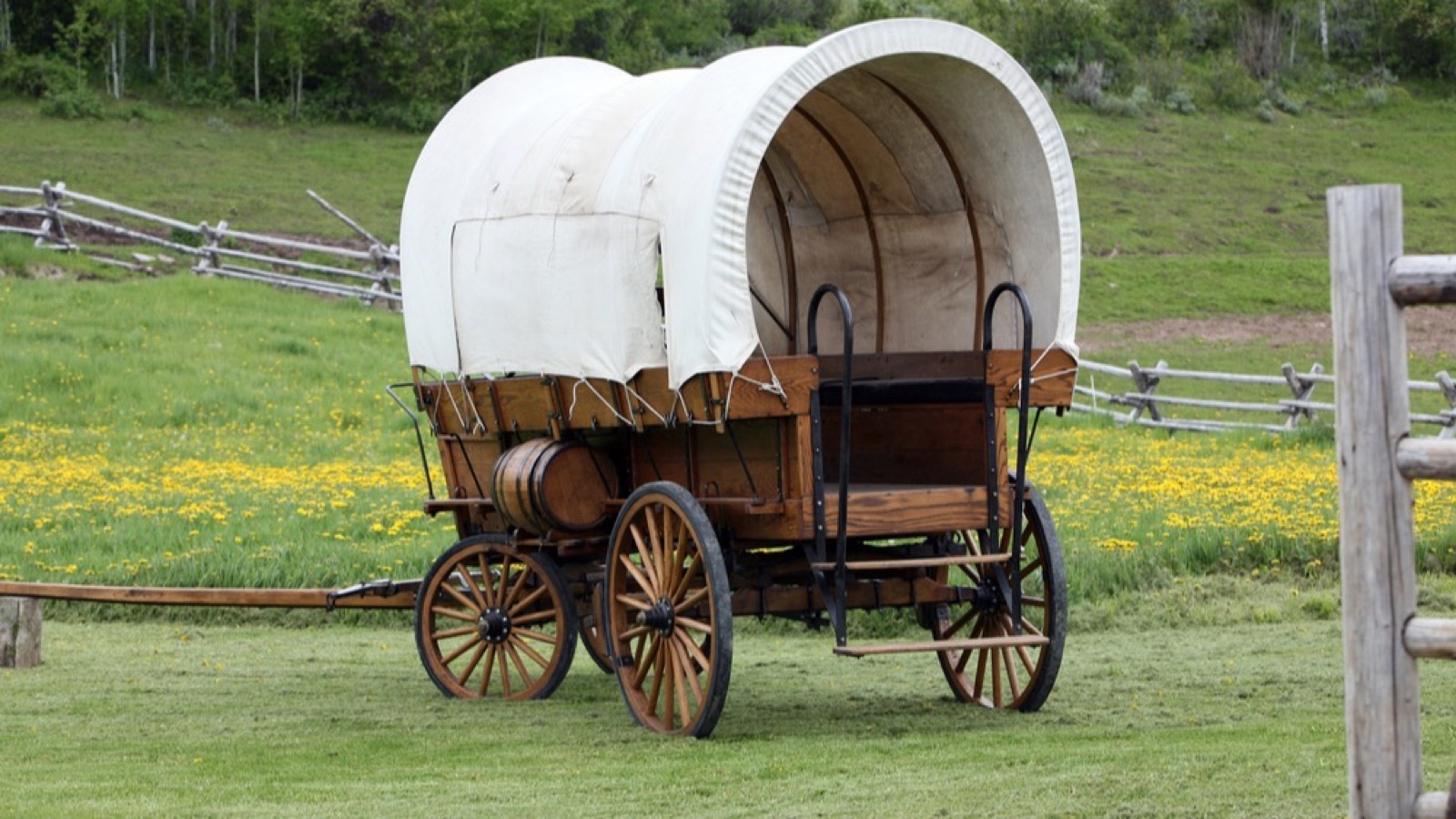
Imagine packing your whole kitchen into a wooden wagon and setting off on a trip that could take five or six months. There were no grocery stores along the way, no refrigerators and very few places to restock. Whatever your family would eat between Missouri and Oregon had to fit in that wagon, or be found along the trail.
That’s exactly what hundreds of thousands of families did in the 1840s, 1850s and 1860s. They studied guidebooks, bought supplies in towns like Independence, Missouri, and hoped they had packed enough. Running short in the middle of the plains was a real fear, and prices at the few trading posts could be shocking.
What they ate was simple, heavy and built to last, a lot like the kitchen staples later generations of grandmothers kept close by. Here are 10 foods pioneers survived on while heading west, and how they made them work on the long road.
1. Flour
Flour was the backbone of the trail diet, and families carried a staggering amount of it. Joseph Ware’s 1849 Emigrant’s Guide, quoted by the National Park Service, suggested 1,080 pounds of flour for a party of three. That’s about 360 pounds per person.
Women turned it into bread, biscuits and flapjacks over open fires, often in heavy Dutch ovens. It also thickened gravy and stretched whatever meat was on hand. On a long day, a warm biscuit might have been the best part of the meal.
2. Bacon
Right behind flour came bacon, usually thick, salt-cured sides that could survive months of heat and dust. Ware’s guide suggested 600 pounds of bacon for three people. An 1846 guidebook quoted by History.com told travelers to bring plenty of flour and “well-cured side bacon.”
Bacon was fried for breakfast and supper, and the drippings were saved and mixed with flour to make gravy. It was so central to the trip that one 1864 traveler, angry about high prices at a trading post, wrote that his group would just “live on bacon yet awhile.” That line is preserved by the Bureau of Land Management’s Oregon Trail center.
3. Coffee
Pioneers took their coffee seriously. Ware’s guide listed 100 pounds of coffee for a party of three, far more than the five pounds of tea it suggested. That works out to about 33 pounds of coffee per person for one trip.
A hot cup in the early morning helped people face another day of walking beside the wagons. Coffee was also valuable for trading. Native traders sometimes accepted it in exchange for fresh food, which made those beans worth even more than their weight.
4. Beans
Dried beans were cheap, light for what they gave and almost impossible to spoil. The National Park Service lists them among the foods emigrants commonly ate on the trail, along with flour, bacon and potatoes. They could be soaked during the day and cooked slowly at night.
The trouble was fuel. On the open plains, there were few trees, so cooks often burned dried “buffalo chips” to keep the fire going. A pot of beans cooked over buffalo chips might not sound appetizing, but after a long day on the trail, it was a welcome supper.
5. Rice
Rice doesn’t come up as often in pioneer stories, but it was on the packing lists. Ware’s guide suggested 75 pounds of rice for a party of three. Like beans, it was dry, compact and kept well in a wagon box.
Rice could be boiled plain, cooked with a bit of sugar for a simple pudding or added to stews to make them go further. For cooks trying to feed a hungry family with limited supplies, a filler that didn’t spoil was a gift. It also cooked faster than beans, which saved precious fuel.
6. Dried Fruit
Fresh fruit was almost impossible to keep on a months-long trip, so families packed dried apples and peaches instead. Ware’s guide included 50 pounds of dried fruit for three people. Cooks soaked the fruit and baked it into pies, stewed it with sugar or tucked it into simple cobblers.
A dried-apple pie baked in a Dutch oven on the prairie must have felt like a little piece of home. For children especially, those sweet treats were something to look forward to. Many families had made the same kinds of pies back east, so the taste carried memories with it.
7. Hardtack and Cornmeal
Hardtack was a plain, dry cracker made from flour, water and sometimes salt. It was baked so hard that it could last for months, which made it useful on days when there was no time or fuel to bake bread. Ware’s guide listed it, along with cornmeal, among the recommended supplies.
Cornmeal gave cooks another option when flour ran low. It could be turned into mush, johnnycakes or simple cornbread. These foods weren’t fancy, but they kept people going when the trail got rough.
8. Buffalo and Wild Game
Out on the plains, men hunted to add fresh meat to the menu. Buffalo were the big prize. One traveler, Edwin Bryant, said buffalo meat was “plenty as blackberries,” according to History.com, and others described it as rich and juicy.
Pioneers also ate antelope, deer, elk, ducks and other wild birds when they could get them. Leftover meat often went into a stew for the next day. In leaner stretches, though, hunting was hit or miss, and the bacon barrel came back out.
9. Butter Churned by the Wagon
Families who brought a milk cow had a clever trick for making butter. They hung a container of cream or milk from the wagon, and the constant bumping and swaying did the churning for them. By evening, there was fresh butter for the biscuits.
The National Park Service notes this was one way families made the most of the rough ride. It’s a perfect example of pioneer thinking. When you have no time and no help, you put the bumpy road to work.
10. Salmon and Berries From Native Traders
Wagons couldn’t carry enough food for the whole journey, so many emigrants traded with Native Americans along the way. Fresh salmon, berries, roots and meat were often exchanged for items like beads, cloth, coffee and tobacco. These trades could be a lifesaver late in the trip.
The BLM’s Oregon Trail center shares a story of a traveling party that spotted a red flag and feared trouble, only to find it was a split salmon hung up as a sign of fish for sale. Another emigrant, John Burch McClane, described a feast in 1843 of elk meat boiled with dried huckleberries and flour. In his words, “We had a royal meal as we thought.”
Simple Food for a Hard Road
The trail diet was plain and repetitive, and most pioneers grew tired of bacon and biscuits long before they reached Oregon. But these foods were chosen for a reason. They were filling, they kept for months and they could be cooked with a single pot over a small fire.
It’s amazing to think how much planning went into every wagon, and how much depended on those barrels and sacks. Which of these pioneer foods do you think you could live on for six months?