10 Foods Retirees Buy in Bulk Every Winter
Once the first cold snap arrives, a lot of retirees start shopping like squirrels. The cart gets heavier, the trips get fewer, and the pantry fills up with the kind of staples that make it easy to skip the store when the roads are slick or the wind is blowing sideways.
Here are the 10 foods retirees say they buy in bulk every winter, and why each one earns its spot on the shelf.

1. Coffee
The big can, the jumbo bag of beans or the box of 80 pods. For many retirees, running out of coffee on a snowy morning is the one emergency they refuse to tolerate. Buying it in bulk at a warehouse club usually drops the price per cup, and an unopened can keeps well in a cool cupboard.
2. Canned soup
Tomato, chicken noodle, split pea, clam chowder. A stack of cans in the pantry means lunch is handled on the days nobody wants to drive anywhere. Retirees like that the USDA’s Food Safety and Inspection Service says low-acid canned goods such as soups, stews and beans keep about two to five years unopened when stored in a cool, dry spot. That makes the case-lot sale a safe bet.
3. Flour and sugar
Winter is baking season, and anyone who plans to turn out pies, cookies and dinner rolls for the holidays knows the small bags disappear fast. Retirees tend to grab the 10- or 25-pound sacks and decant them into big canisters, the same way their grandmothers did with the foods Grandma kept in the cellar all winter.
4. Butter
When butter goes on sale before Thanksgiving, retirees buy it by the case and tuck the extras in the freezer. Many shoppers have noticed that prices swing a lot during the year, which is why butter rarely shows up on the list of grocery foods retirees say aren’t worth the price anymore as long as they catch it at the right moment.
5. Rice
A big bag of long-grain white rice costs little, takes up a corner of the pantry, and turns into casseroles, soups, fried rice and rice pudding all winter long. It’s the definition of a staple that never goes to waste. Keeping a full pantry is also one of those small pleasures that rarely makes the list of things nobody tells you about early retirement: finally having the time to shop ahead instead of racing to the store after work.
6. Dried pasta
Spaghetti, elbows, egg noodles and penne go into the cart by the armful. Paired with a jar of sauce or a pound of ground beef from the freezer, dried pasta is the backbone of the cold-weather dinner rotation. Retirees who are also tending elevated garden beds full of fall greens and herbs like having a box of pasta ready to toss with whatever they snip that afternoon.
7. Canned tomatoes
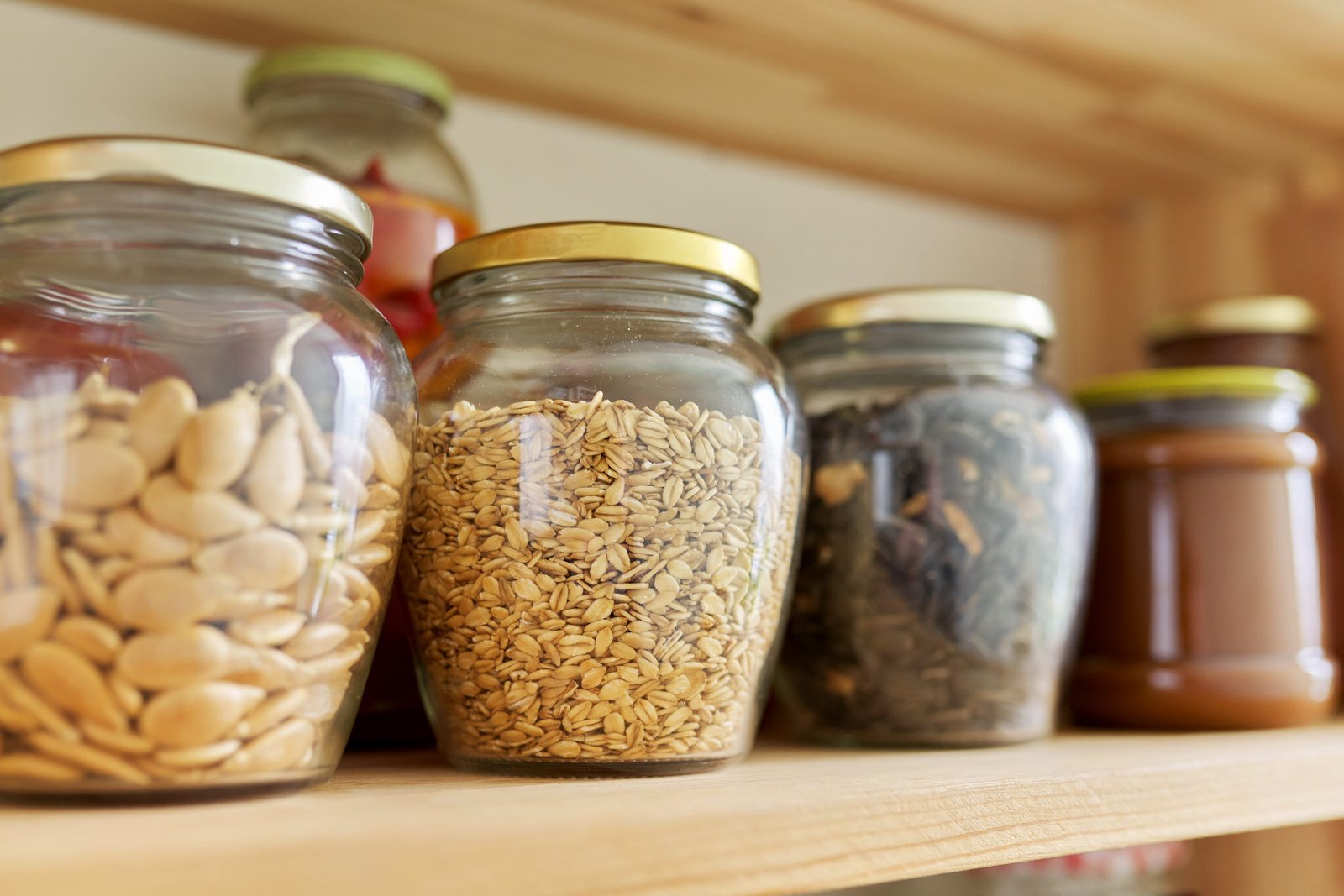
Crushed, diced and whole, canned tomatoes turn up in chili, goulash, minestrone and Sunday sauce. They are easy to rotate, too; the USDA suggests using older cans first and keeping an eye on your supply. Plenty of retirees treat stocking the pantry like the other end-of-season jobs, such as putting the garden hose away for winter: get it done in November and stop worrying about it.
8. Chicken broth
The cartons stack neatly, and they’re the first thing reached for when a pot of soup or a pan of stuffing is on the agenda. Buying a dozen at once means there’s always one in the cabinet, which is something new retirees often say they never managed while working.
9. Frozen vegetables
Big bags of peas, corn, green beans and mixed vegetables fill the chest freezer by December. They’re quick to add to soups and casseroles and they don’t wilt in the crisper drawer if a storm keeps everyone home for a week.
10. Peanut butter and crackers
The ultimate power-outage lunch. Peanut butter and a sleeve of saltines need no cooking and no refrigeration, which is exactly why Ready.gov encourages households to keep supplies on hand ahead of winter storms that can knock out the power. Retirees in snow country rarely let the jar get low.
Stocking up, the smart way
Buying in bulk only pays off if the food actually gets eaten, so seasoned shoppers keep it to items they use every week and store them somewhere cool and dry, not in a damp garage or next to the stove. Do that, and a well-stocked pantry becomes the coziest kind of insurance: no matter what the forecast says, there’s coffee in the cupboard and soup on the shelf.