10 Foods That Were Too Fancy for Ordinary Families in the 1950s
For most families in the 1950s, dinner was a simple, steady affair. Meatloaf, pot roast, casseroles and a pitcher of milk on the table were the norm, and leftovers rarely went to waste. Groceries took a bigger bite out of the family budget back then, so nobody was tossing luxuries into the cart on an ordinary Tuesday.
According to the USDA’s Economic Research Service, Americans spent about 17 percent of their disposable income on food in 1960, compared with roughly 10 percent in more recent years. In the decade before that, a nice cut of meat or a pricey seafood dish was usually saved for a big celebration. Some foods were mostly seen in fancy restaurants, hotel dining rooms and magazine photos.
Many of these dishes have since become everyday treats, while others still feel a little special. Here are 10 foods that were too fancy for ordinary families in the 1950s, and why they felt so out of reach.
1. Lobster
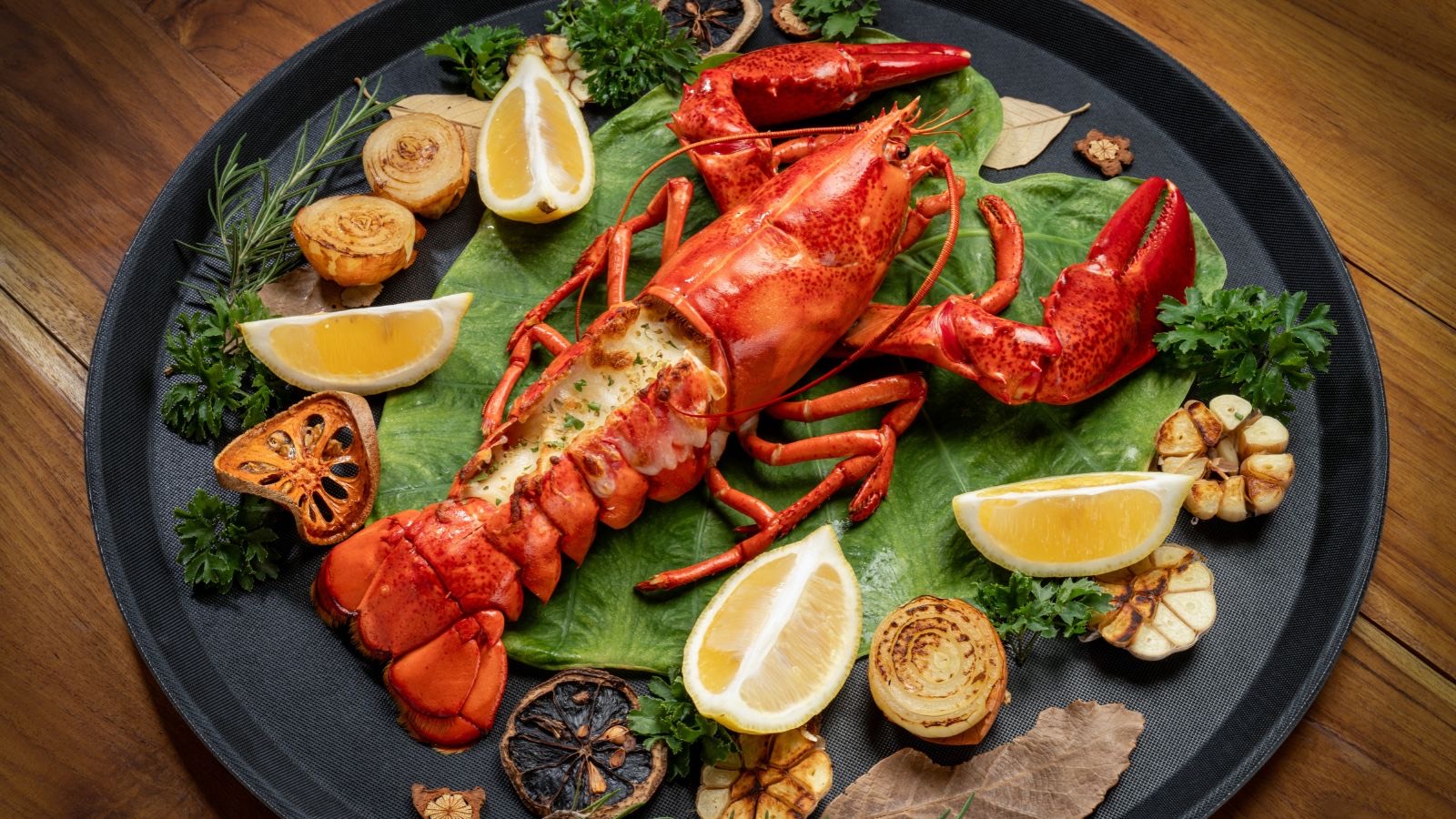
Today it’s hard to believe, but lobster was once so plentiful along the New England coast that people looked down on it. As Tasting Table explains, it was considered food for the poor in colonial times. That reputation flipped over the following centuries as lobster became a restaurant favorite.
By the 1950s, lobster was firmly in the luxury column. A whole lobster or a rich dish like lobster Newburg was something people ordered on an anniversary or a big night out. For a family living far from the coast, it might as well have been from another planet.
2. Shrimp Cocktail
Few dishes say “special occasion” like chilled shrimp hung over the rim of a glass with a cup of red sauce. According to Tasting Table, cocktail sauce was first paired with oysters, and shrimp took over in the 1950s. Better refrigeration meant fresh shrimp could finally travel far from the coast.
Shrimp cocktail became a glamorous starter at supper clubs and Las Vegas casinos. Good Housekeeping’s 1955 cookbook even suggested serving it in a lettuce-lined sherbet glass for formal occasions. For most families, though, it was a treat they enjoyed when someone else was picking up the check.
3. Steak Diane
Steak Diane was the kind of dish that came with a show. A waiter would cook thin slices of beef right at the table in a buttery sauce, often finishing it with a dramatic burst of flame. It was a favorite in elegant New York hotel dining rooms in the 1950s.
In 1953, a New York Times food writer even reported on several restaurants competing for credit for the dish. That kind of attention tells you just how glamorous it was. Ordinary families might read about it, but very few cooked it at home.
4. Avocados
Avocados are a lunch-counter staple now, but in the 1950s, they were a rare sight outside the places where they grew. As Scientific American explains, growers spent years trying to convince Americans to try them. Even the old nickname “alligator pear” didn’t help sales.
For many families in the Midwest or Northeast, an avocado was an exotic, expensive curiosity. They might show up in a fancy salad at a restaurant or in a magazine recipe. It took decades of marketing before guacamole became a party favorite across the country.
5. Caviar
Caviar has always been a symbol of wealth, and the 1950s were no exception. Even a small tin of the good stuff came with a price tag that made ordinary shoppers wince. It showed up at elegant cocktail parties, on ocean liners and in movies about the rich and famous.
Most families never tasted the real thing. If they did, it was likely a dab of a more affordable variety on a cracker at a wedding or holiday party. For many people, caviar was more of a punchline about the upper class than an actual food.
6. Prime Rib
A thick slice of prime rib, served pink with a side of au jus, was the pride of steakhouses and hotel dining rooms. A whole standing rib roast was far too costly for most home cooks to buy on a regular basis. It was the kind of meal families saved for Christmas, if they had it at all.
Most households stuck to cheaper cuts like chuck roast, ground beef and round steak. Those cuts were stretched with potatoes, gravy and vegetables to feed a whole family. It’s one reason so many nostalgic meals from that era were built around slow cooking and making a little go a long way.
7. Cherries Jubilee
This flaming dessert is credited to the famous French chef Auguste Escoffier, who reportedly created it to honor Queen Victoria’s jubilee. Cherries are warmed in a sauce, splashed with brandy and set alight, then spooned over vanilla ice cream. It’s pure theater on a plate.
In the 1950s and early 1960s, cherries jubilee was a showstopper in upscale restaurants and at elegant dinner parties. Most moms were serving Jell-O, pudding or a homemade pie instead. Setting dessert on fire wasn’t exactly part of the average weeknight routine.
8. Baked Alaska
Baked Alaska seems almost like a magic trick. Cake and ice cream are covered in meringue, then quickly browned in a hot oven without the ice cream melting. Delmonico’s restaurant in New York is often credited with popularizing the name in the 1800s.
By the 1950s, it was a classic choice for fancy restaurants, banquets and cruise ships. It took skill, timing and a confident cook to pull off at home. For most families, it was a dessert they ordered once in a lifetime, if ever.
9. Imported Cheeses
Walk into a typical 1950s grocery store, and the cheese selection would look tiny by today’s standards. Most families bought American cheese, cheddar and processed cheese spreads. Soft French cheeses like Brie and Camembert were mostly found in specialty shops in big cities.
A cheese board loaded with imported wedges would have seemed very sophisticated. Today, the same cheeses sit in nearly every supermarket deli case. It’s one of the many foods boomers loved discovering as their tastes grew more adventurous over the years.
10. Fresh Fruit Out of Season
It’s easy to forget how seasonal grocery shopping used to be. In the 1950s, strawberries in January or fresh peaches in winter were rare and expensive in much of the country. Most families relied on canned fruit, home-canned jars from the summer and whatever was in season.
Long-distance shipping and imports have since made fresh fruit available almost year-round. Back then, a bowl of fresh berries in the middle of winter was a real luxury. Many grandmothers still remember canned fruit cocktail as the “fancy” fruit of their childhood.
When Fancy Became Everyday
It’s amazing how many of these foods have gone from rare luxuries to ordinary grocery items. Shrimp, avocados and imported cheeses now show up on weeknight tables across the country. Even lobster rolls and prime rib specials are easy to find at casual restaurants.
Still, there’s something sweet about how special these foods once felt. Which of these fancy foods did your family save for big celebrations when you were growing up?