10 Grilling Errors That Are Sabotaging Your Summer Cookouts
Grilling is supposed to be simple, fun, and the highlight of any summer gathering. The smell of searing meat, the sight of perfectly charred vegetables, and the sizzle of burgers should signal a great meal. But one small mistake on the grill can turn all that excitement into dry, uneven, or flavorless food. We’ve identified the top 10 mistakes most people make at the grill and how to fix them so your cookout hits every time.
Packing the Grill Too Tightly
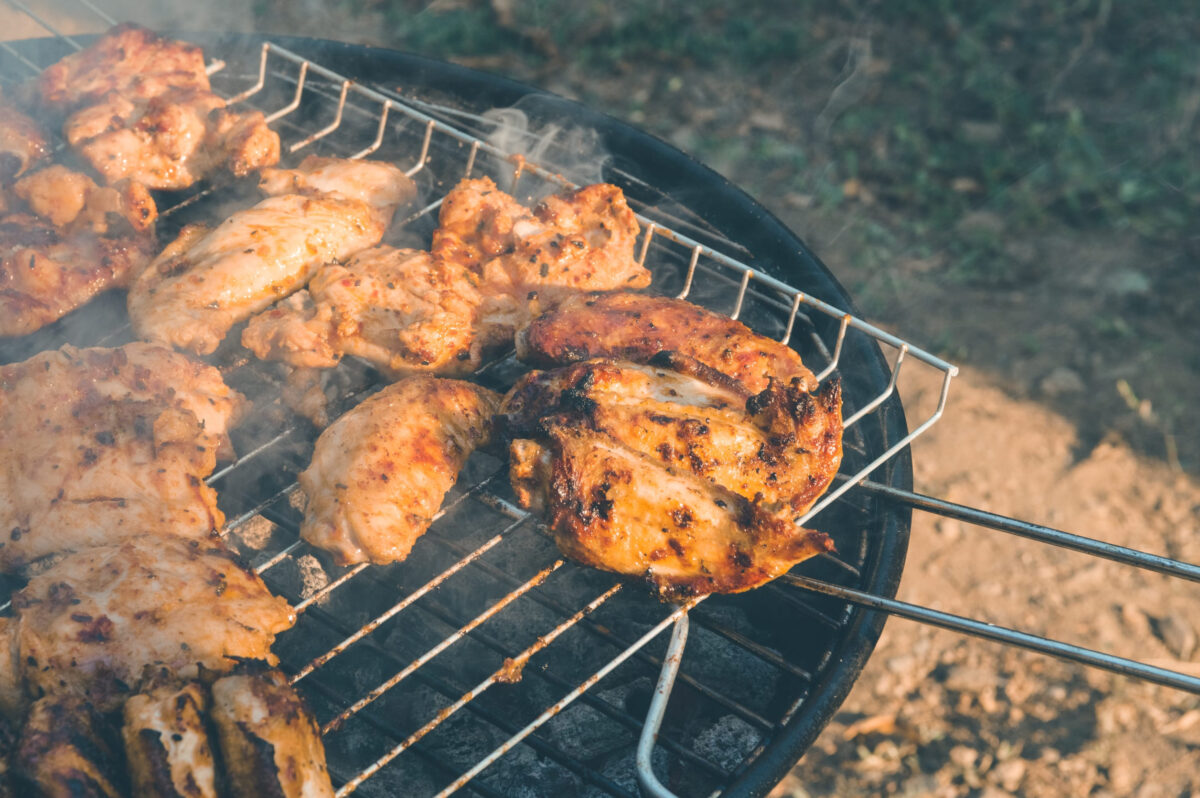
Packing the grill is tempting when friends are waiting, but it creates problems. Airflow is restricted, heat spreads unevenly, and food can steam instead of sear.
Leave space between each item. This allows heat to circulate properly, ensures even browning, and makes flipping or moving food during flare-ups easier. Crowding is a fast track to uneven, underwhelming meals.
Using Lighter Fluid Too Often
Lighter fluid may seem convenient, but it leaves chemical residues that affect flavor. A few drops might not taste strong, but repeated use over a hot grill can taint even the best marinated meats.
We recommend a chimney starter filled with natural lump charcoal or briquettes. It ignites quickly without chemicals and provides steady, clean heat. Food tastes smoky and rich instead of bitter or artificial.
Ignoring Internal Temperature Checks

Judging doneness by color or touch is unreliable. Undercooked meat can be unsafe, while overcooked meat turns dry and chewy.
Invest in a thermometer and check the internal temperature toward the end of cooking. Ground meats, poultry, and thick cuts each have recommended temperatures to hit for safety and optimal texture.
Slathering Sauce Too Early
Most barbecue sauces contain sugar, which burns quickly over direct heat. Applying sauce at the start can create a bitter, charred coating before the meat is fully cooked.
Brush sauce during the last five to ten minutes of cooking. This allows it to thicken and caramelize without burning, producing sticky, flavorful results.
Skipping Proper Grill Preheat
A cold or uneven grill is the fastest way to ruin food. Meat sticks, vegetables turn limp, and the perfect sear never happens.
Let the grill preheat with the lid closed for at least 10 to 15 minutes so the heat distributes evenly, and grill marks form beautifully. Preheating locks in flavor and ensures food cooks evenly without sticking.
Skipping Rest Time
Cutting into meat immediately after grilling causes juices to escape, leaving food dry. Resting allows heat to distribute and juices to settle, enhancing flavor.
Rest steaks, chicken, or roasts for five to ten minutes before slicing. Even a short pause dramatically improves tenderness and moisture retention.
Turning Food Constantly

Flipping burgers, steaks, or veggies constantly stops a crust from forming and slows cooking. Each flip disrupts caramelization and prevents that golden, crisp exterior.
We should flip only once or twice, letting food develop a deep sear. This approach produces richer flavor, better texture, and a more visually appealing plate.
Letting Flare-Ups Get Out of Control
Grease drips onto flames can cause sudden flare-ups, charring food quickly. Using water to control flames often spreads grease and creates dangerous steam.
Instead, move food to a cooler part of the grill or close the lid to control oxygen. A fire extinguisher or baking soda provides safety without compromising food.
Neglecting Grill Prep
Old grease and stuck food create unwanted flavors, smoke, and flare-ups. Lean meats, fish, and vegetables stick badly to dirty grates.
Clean the grill after each use and lightly oil grates before cooking. High-smoke-point oils like canola or grapeseed prevent sticking and create a non-stick surface for perfectly grilled results.
Pressing Meat While Cooking
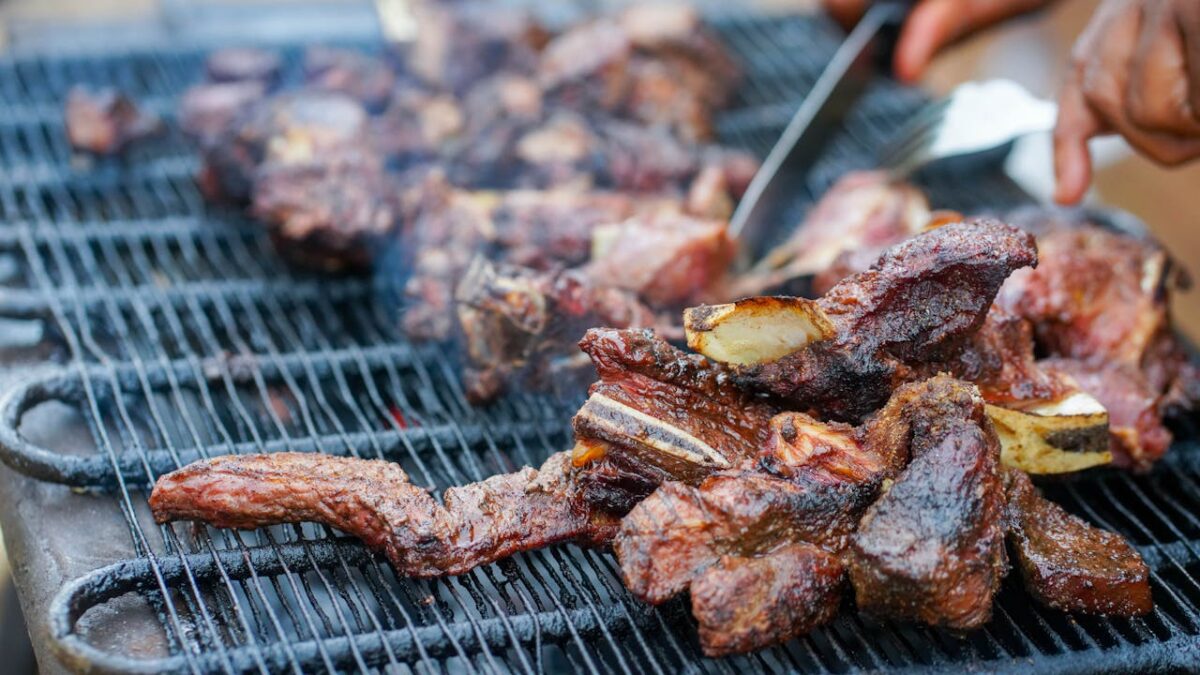
Pressing down with a spatula may make a loud sizzle, but it squeezes out the juices that keep meat tender. The result is dry, tough burgers or steaks.
Let the meat cook undisturbed on each side. Juices stay locked inside, keeping flavor rich and texture satisfying. Hands-off grilling is often the juiciest grilling.
Conclusion
A great cookout comes down to attention, timing, and respect for the grill. Small mistakes, whether using lighter fluid, crowding the grate, or flipping too often, can sabotage even the best ingredients. By preheating properly, spacing food, monitoring temperatures, managing flare-ups, and letting meat rest, we create meals that are juicy, flavorful, and perfectly cooked.
Grilling is both a skill and a strategy, and following these practices turns every cookout into a reliable success. When we master these basics, we enjoy more than just food; we deliver experiences that friends and family remember long after the smoke clears.