10 Jobs Robots Are Taking From Humans
As technology evolves, so does the labor market. Robots, powered by artificial intelligence (AI) and machine learning, have begun infiltrating various industries, taking over tasks once carried out by humans. With advancements in automation, many jobs are being redefined or replaced entirely.
From manufacturing floors to retail counters, robots are reshaping the future of work. While some roles are entirely at risk, others are being augmented, forcing humans to adapt.
Let’s explore ten jobs robots are taking over and how they are transforming industries.
Cashiers Replaced by Self-Checkout Kiosks

Self-checkout kiosks have become commonplace in supermarkets and retail outlets, allowing customers to scan their own items, pay, and leave without any human interaction. These systems reduce wait times, streamline the checkout process, and eliminate the need for human cashiers.
Retailers appreciate the efficiency, cost savings, and the ability to keep operations running smoothly during busy hours. While some human cashiers remain for customer service, the role of scanning and handling cash is increasingly being automated.
Bank Tellers Replaced by Digital Banking Solutions
Bank tellers once performed essential functions such as cashing checks, processing withdrawals, and managing customer transactions. Today, most of these tasks can be handled by ATMs, mobile banking apps, and online platforms.
With the rise of digital banking, the need for human tellers is diminishing. While some banks still employ tellers for more complex transactions, a large portion of customer service is now handled by automated systems that provide round-the-clock access to banking services.
Fast-Food Workers Replaced by Automated Systems
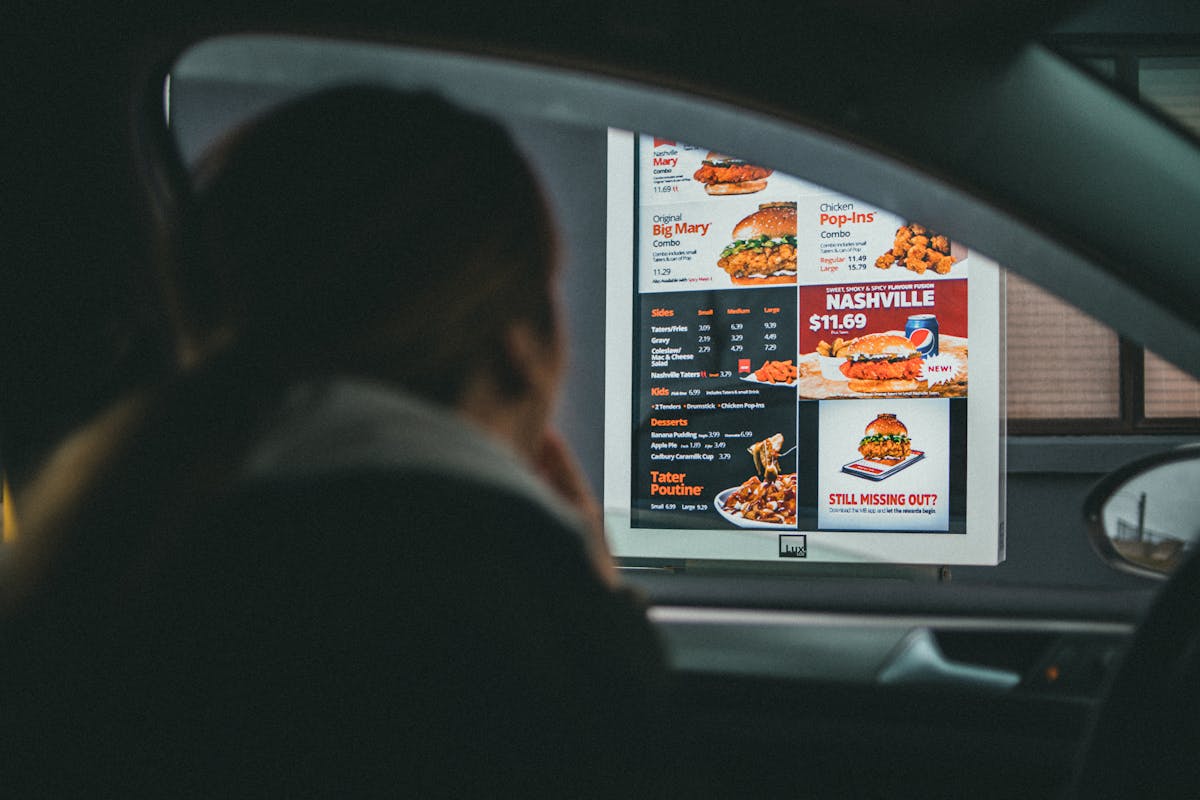
Fast food chains are increasingly turning to automation for tasks like ordering, cooking, and food delivery. Automated kiosks and AI-powered systems allow customers to place orders without interacting with a human worker.
In some establishments, robots are used to flip burgers, fry food, and prepare beverages, reducing the reliance on human labor in the kitchen. This automation allows businesses to cut labor costs while maintaining speed and efficiency, especially during peak hours.
Warehouse Workers Replaced by Robotic Systems
Warehouses and distribution centers are increasingly using robots for tasks such as picking, sorting, packaging, and transporting items. Robots equipped with advanced sensors and AI algorithms can quickly and accurately navigate warehouse floors, reducing the time and effort required for human workers to complete these tasks.
This shift not only improves efficiency but also reduces human error and helps companies manage large inventory volumes without additional labor costs.
Call Center Agents Replaced by AI Chatbots
Call center agents, who once handled customer service inquiries over the phone, are now being replaced by AI-powered chatbots. These bots can manage a wide range of customer interactions, from answering questions to troubleshooting issues.
By using natural language processing and machine learning, chatbots can understand customer requests and respond appropriately, often handling inquiries more quickly and efficiently than human agents. This technology allows businesses to scale customer service operations while reducing costs.
Data Entry Clerks Replaced by Automated Software
Data entry, once a critical task performed by human clerks, is now increasingly being handled by automated software. These systems can read and process vast amounts of data, inputting it into databases with minimal human intervention.
AI-powered tools can extract information from documents, categorize data, and flag discrepancies, significantly speeding up processes that once took hours. As a result, the demand for data entry clerks has sharply declined.
Drivers Replaced by Autonomous Vehicles
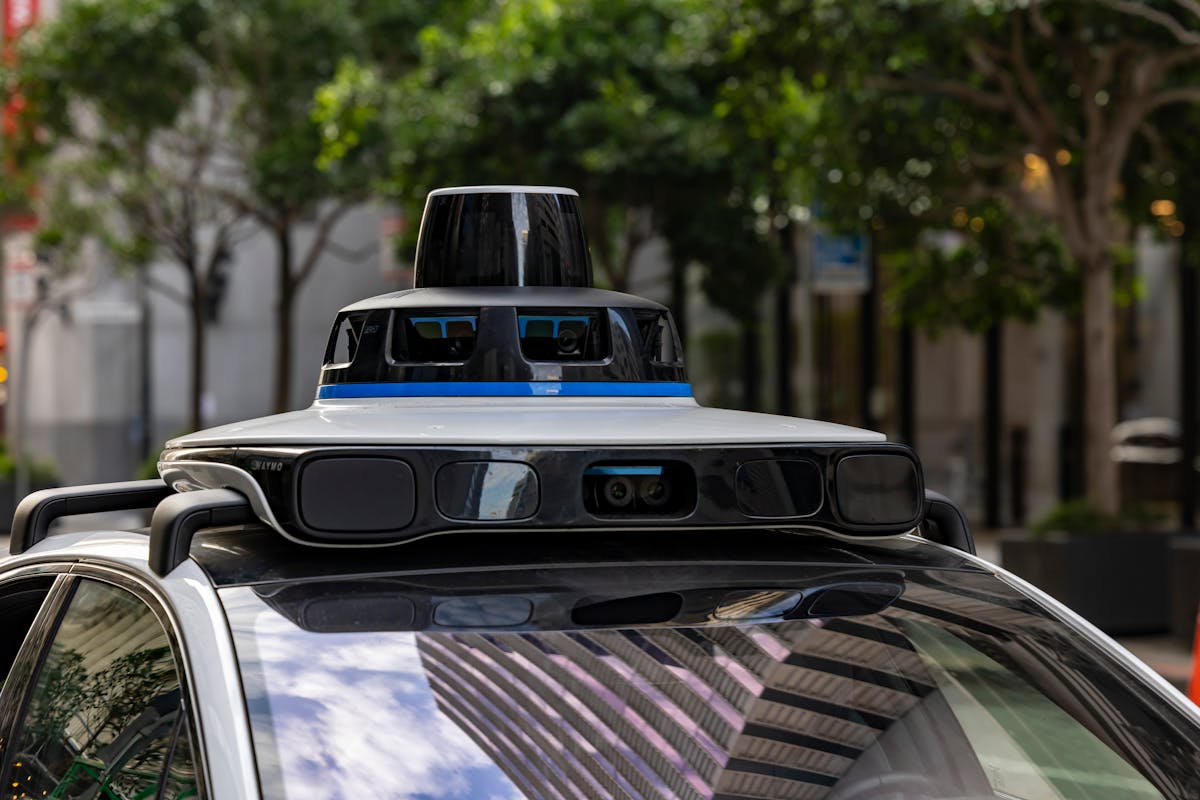
The transportation sector is facing one of the most significant disruptions with the rise of autonomous vehicles. Self-driving cars, trucks, and delivery robots are beginning to replace human drivers in various industries.
These vehicles use sensors, cameras, and machine learning algorithms to navigate roads, transport goods, and pick up passengers. While fully autonomous vehicles are not yet ubiquitous, they are already being tested and deployed in specific sectors like delivery services, ride-sharing, and freight transportation.
Financial Analysts Replaced by AI Market Tools
Financial analysts, who traditionally analyze market trends, stock data, and investment opportunities, are increasingly relying on AI-powered tools to support their work. These tools can analyze vast amounts of market data in real-time, making predictions and identifying patterns faster than any human could.
AI algorithms can now provide investment recommendations, assess risk, and automate reporting, reducing the need for traditional analysts in many parts of the industry. As a result, financial analysis is becoming more automated and less dependent on human decision-making.
Librarians Replaced by Digital Cataloging Systems
Librarians, who once spent their time managing physical collections, checking books in and out, and assisting patrons, are now seeing their roles diminish as digital cataloging systems and automated checkout kiosks replace manual processes.
Many libraries have transitioned to digital platforms where patrons can search for and borrow books, access digital archives, and use online resources without assistance. While librarians still play a role in helping patrons navigate resources and promoting literacy, routine tasks like cataloging and checking books are increasingly automated.
Journalists Replaced by AI Content Generators

Journalism is experiencing its own wave of automation, with AI tools that can write news articles, generate reports, and produce content at scale. These AI systems can quickly analyze data, process information, and produce readable articles on a wide range of topics.
Many news agencies and media outlets already use AI for routine news coverage, such as sports scores, weather reports, and financial updates. While investigative journalism and feature writing still require human expertise, AI-generated content is increasingly used for more straightforward, repetitive tasks.
Conclusion
As robots and AI continue to advance, the landscape of work is shifting dramatically. From cashier roles to data entry, autonomous vehicles, and call centers, the jobs most at risk are those that rely on repetitive, routine tasks. While this doesn’t mean that all jobs will be lost, it does mean that workers in these roles must adapt to a changing job market.
The key to staying ahead in this new era is embracing skills that machines cannot easily replicate, such as creativity, complex problem-solving, and emotional intelligence. The rise of automation is inevitable, but it’s up to us to shape how we coexist with technology in the workplace.