10 Major Travel Struggles and How We Can Make Every Trip Less Stressful
Travel sounds glamorous until the suitcase zipper jams, the flight price jumps overnight, the airport line barely moves, and the hotel check-in time suddenly feels miles away. The real challenge is rarely one big disaster. It is the stack of small pressure points that turns a dream trip into a test of patience.
We travel because we want rest, adventure, family time, business progress, or a break from routine. Yet the modern travel experience now includes packed airports, confusing fees, changing entry rules, crowded flights, tight connections, digital bookings, and endless decisions. The FAA has reported more than 44,000 average daily flights in U.S. airspace, underscoring how massive and delicate the travel system has become.
Finding Affordable Flights Without Falling Into the Travel Price Trap

Airfare is one of the most frustrating aspects of travel because prices can feel unpredictable. We may check a fare in the morning, return in the evening, and see a completely different number. Add baggage fees, seat fees, airport taxes, and change rules, and the cheapest ticket may no longer be the best value.
The smarter approach is to compare total trip cost, not just the headline fare. A basic economy ticket may look attractive until we pay extra for a carry-on bag, seat selection, or itinerary changes. We should also compare nearby airports, flexible dates, early-morning departures, and midweek travel, because small timing changes can yield real savings.
Fare alerts help us stop guessing. Instead of refreshing booking sites all day, we can track routes and wait for price movement. We should also read the fare rules before payment, because the stress of a cheap ticket often appears later when we need to change plans and discover that flexibility costs more than expected.
Packing Mistakes That Make Travel Harder Than It Should Be
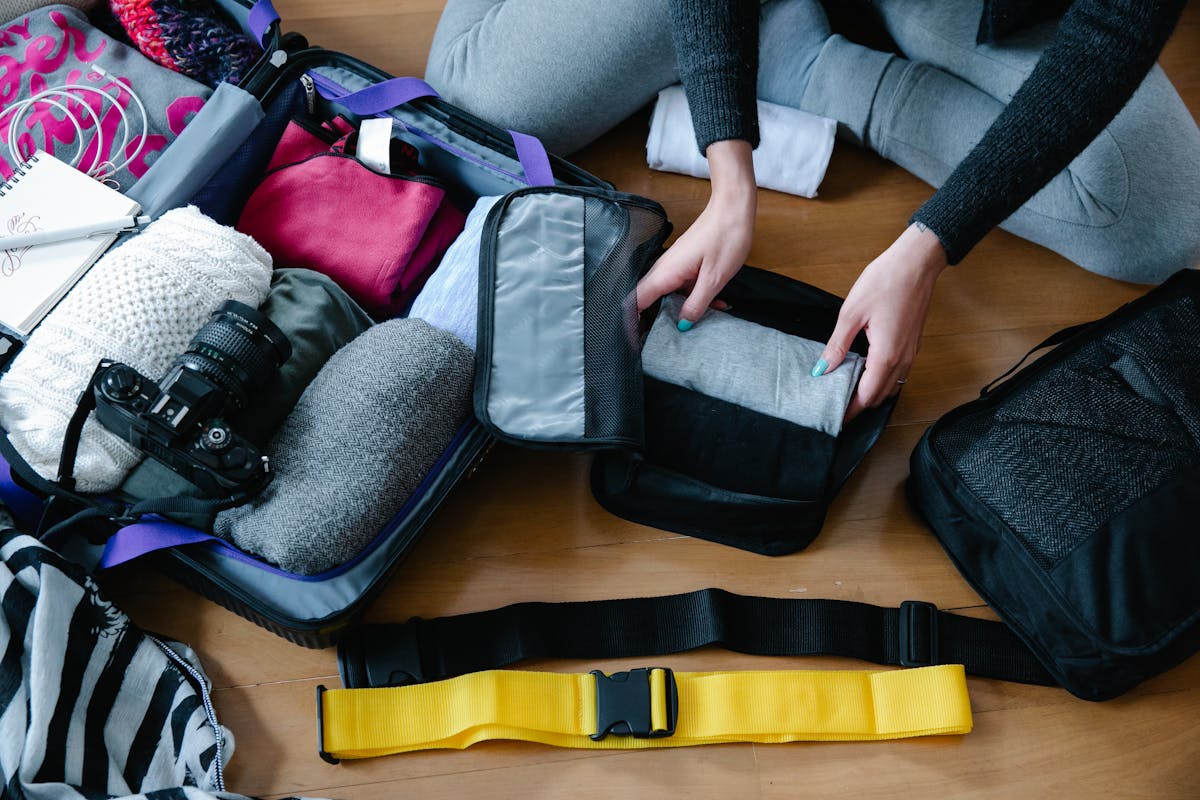
Packing seems simple until the suitcase becomes a battlefield. Overpacking makes every airport transfer harder, every staircase more annoying, and every hotel room more cluttered. Underpacking creates a different problem because we end up buying basic items at tourist prices after arrival.
The best packing system starts with the trip type, not the suitcase size. A business trip, beach vacation, family visit, hiking weekend, and international city break all need different essentials. We should pack by outfit combinations instead of random clothing pieces, because versatile items reduce weight without limiting options.
A carry-on survival kit is non-negotiable. It should include medication, one change of clothes, chargers, travel documents, basic toiletries, valuables, and anything we would need during the first 24 hours if checked luggage disappears. That one small bag can turn a baggage problem from a crisis into an inconvenience.
Visa, Passport, and Documentation Problems That Can Ruin a Trip
Few travel mistakes are more painful than reaching the airport with the wrong document. Some countries require visas, electronic travel authorizations, proof of vaccination, blank passport pages, or passports valid for months beyond the travel date. The U.S. State Department’s Kenya travel page, for example, lists entry requirements, including a passport with at least two blank pages, a validity of at least 6 months, and an electronic travel authorization.
Documentation stress grows when travelers assume every country follows the same rules. We should check requirements from official government sources before booking, then check again closer to departure. Rules can vary by nationality, transit country, airline route, and even the traveler’s origin.
A strong document routine saves trips. We should photograph passports, visas, insurance cards, prescriptions, vaccination records, hotel confirmations, and return tickets. Then we should store copies in cloud storage, email, and offline phone files. Paper copies still matter too, especially in countries where airport staff or border officials may ask for printed proof.
Airport Security Stress and the Rules Travelers Forget
Airport security feels stressful because it combines time pressure, public scrutiny, unfamiliar rules, and the fear of holding up the line. A traveler may feel calm at check-in, then suddenly panic when asked to remove electronics, separate liquids, empty pockets, or explain an item in the bag.
The TSA’s 3-1-1 rule allows liquids, aerosols, gels, creams, and pastes in travel-size containers of 3.4 ounces or less, placed inside one quart-sized bag for carry-on screening. TSA’s travel checklist also reminds travelers in standard screening lanes to remove the liquids bag and keep pockets empty before entering the scanner.
We make security easier by dressing for the checkpoint. Slip-on shoes, minimal jewelry, easy-access laptops, organized liquids, and empty pockets reduce friction. Families should place children’s items, snacks, medicine, and electronics in separate, reachable sections so the security process does not turn into a rushed search through every bag.
Time Management Problems at the Airport
Airports punish poor timing. A short delay at home can become a missed bag drop, a long security line, a closed gate, or a lost connection. The stressful part is that travelers often underestimate the time needed between arrival, check-in, security, walking distance, boarding, and unexpected slowdowns.
We should treat airport time as protection, not wasted time. Domestic and international flights need different timing buffers, and large airports require extra caution because gates can be far apart. Families, older travelers, first-time flyers, and anyone checking luggage should give themselves more room than confident frequent flyers.
A practical system works better than hope. We should set separate alarms for leaving home, arriving at the airport, finishing check-in, reaching security, and heading to the gate. This keeps the trip moving in stages and lowers stress because we are no longer relying on a single vague plan to carry the whole journey.
Flight Delays and Cancellations That Break the Whole Schedule
Flight delays are among the biggest travel struggles because they create a chain reaction. A late departure can affect hotel check-in, cruise boarding, business meetings, family pickups, rental cars, tours, and connecting flights. The Bureau of Transportation Statistics considers a flight delayed when it arrives or departs 15 minutes or more after the scheduled gate time.
We should plan as though delays are possible, especially during busy seasons, tight weather periods, and peak holiday travel. Short connections may look efficient on paper, but they can become expensive if one late aircraft ruins the itinerary. When possible, we should choose longer layovers for international trips, cruises, weddings, major events, and prepaid tours.
Passenger rights matter too. The U.S. Department of Transportation states that consumers are entitled to refunds in certain situations, including cancellations where they choose not to travel or accept alternative compensation. We should save receipts, document airline messages, avoid accepting vouchers too quickly, and understand the difference between a refund, a travel credit, and compensation.
Lost, Delayed, or Damaged Luggage Problems
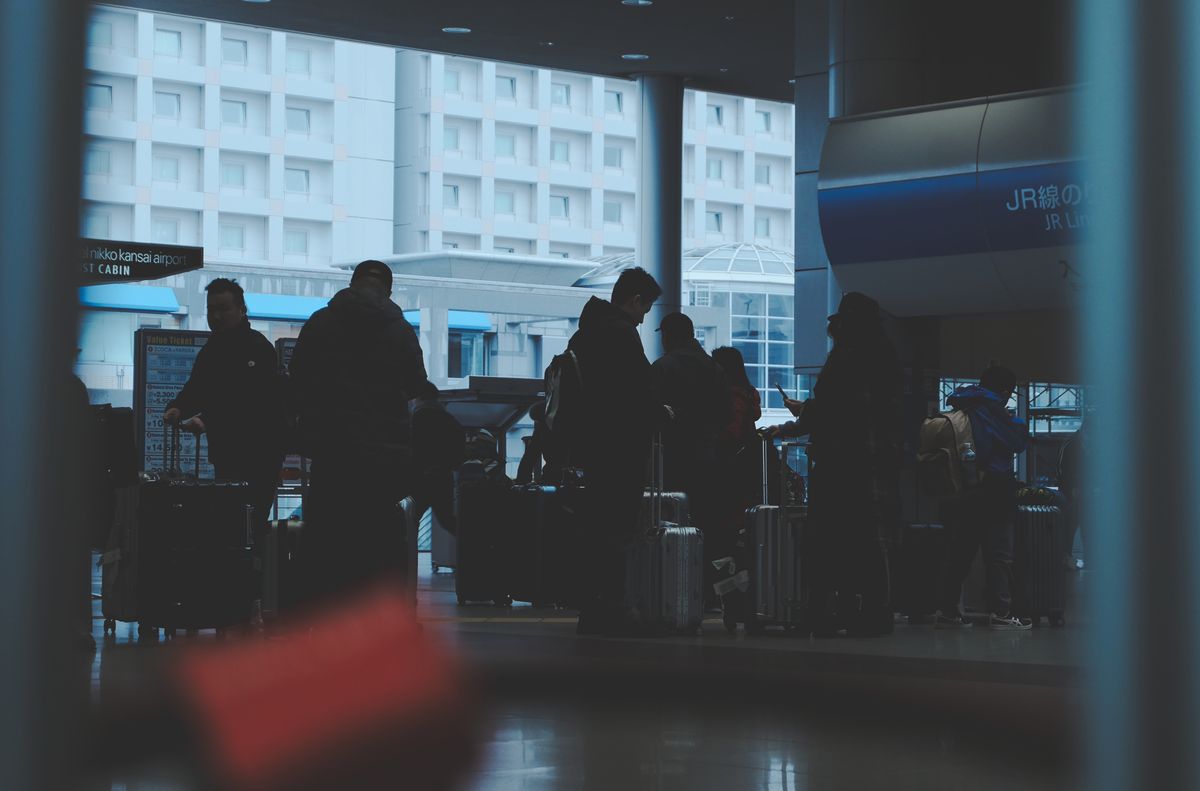
Lost luggage creates a special kind of travel stress because it removes control right at the moment we need comfort. We arrive tired, reach baggage claim, watch every suitcase pass by, and slowly realize ours may not be coming. That can turn the first day of a trip into an expensive scramble for clothes, toiletries, chargers, and essentials.
Airlines have responsibilities when bags are damaged, delayed, or lost while under their control, and the U.S. Department of Transportation says passengers should file a baggage claim with the airline as soon as possible. We should never leave the airport without a file reference number, written instructions, and a clear record of who handled the claim.
The best protection is prevention. We should use luggage tags inside and outside the bag, remove any old airline stickers, photograph the suitcase and packed contents, and place tracking devices where legal and practical. Most importantly, we should never pack medicine, passports, expensive electronics, irreplaceable documents, or critical event clothing in checked baggage.
In-Flight Discomfort, Dehydration, and Long-Haul Fatigue
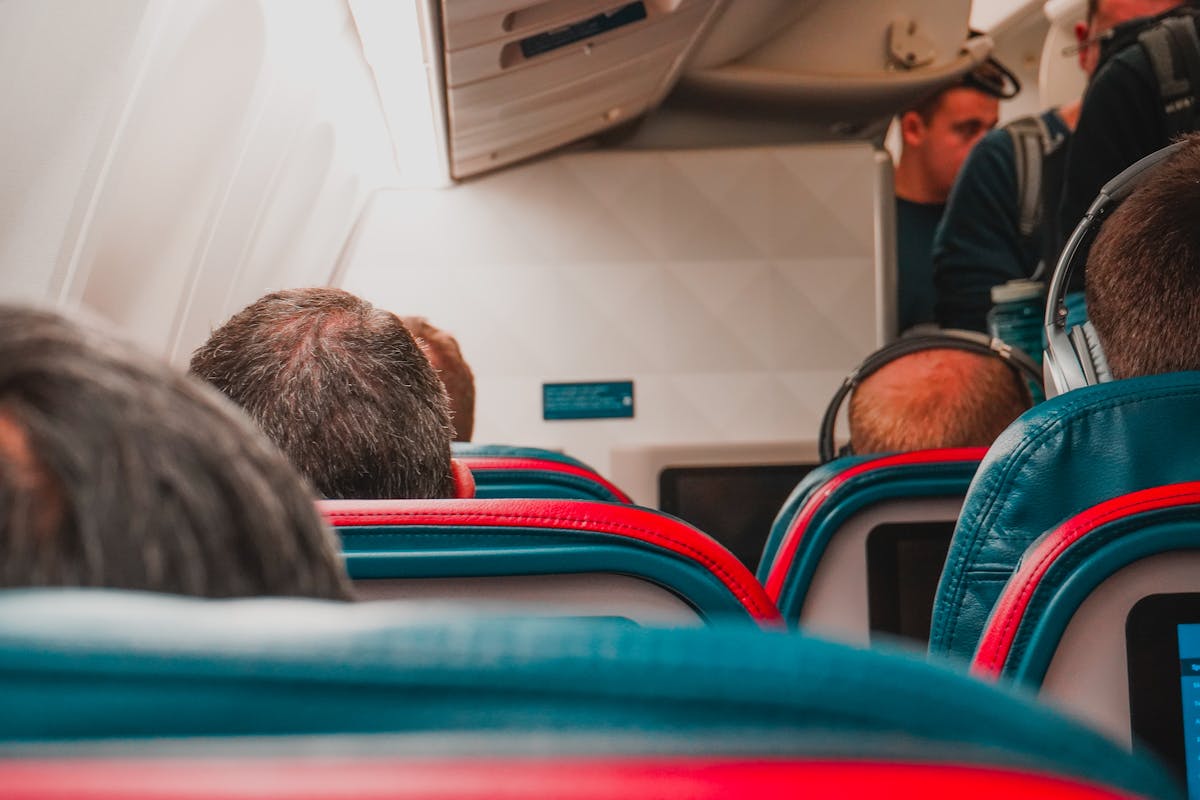
The flight itself can be physically draining. Cramped seating, dry cabin air, limited movement, noise, turbulence, and poor sleep can make even a short flight feel longer than expected. Long-haul travel adds another layer because the body must sit for hours while the mind tries to rest in an uncomfortable environment.
We can reduce in-flight discomfort by preparing for the cabin as its own stage of the trip. Compression socks, refillable water bottles after security, layered clothing, noise-reducing headphones, eye masks, moisturizer, snacks, and downloaded entertainment all make a difference. Small comforts matter more at 35,000 feet because every inconvenience feels bigger in a confined space.
Movement is also essential. We should stretch when safe, rotate ankles, walk the aisle during long flights, and avoid heavy meals that make sleep harder. A comfortable flight does not require luxury seats, but it does require planning for hydration, circulation, warmth, boredom, and rest.
Jet Lag and Sleep Disruption After Crossing Time Zones
Jet lag can steal the first days of a trip. We may land excited but feel awake at 2 a.m., exhausted at lunch, hungry at odd hours, and mentally foggy during activities we spent months planning. The CDC notes that travelers going to a time zone more than 3 hours ahead of their usual time should follow the destination’s sleep and wake-up routines after arrival.
Light exposure is one of the strongest tools we have. Daylight helps reset the body clock, and sleep timing should match the destination’s time as soon as possible. We should avoid long arrival-day naps unless truly necessary, because sleeping too long at the wrong time can stretch jet lag across several days.
Hydration, light meals, and gentle movement also help. We should avoid turning the first day into a packed sightseeing marathon after a major time-zone shift. A lighter arrival day gives the body room to adjust and helps the rest of the trip feel better.
Language Barriers That Make Simple Tasks Feel Difficult
Language barriers can turn ordinary moments into stressful puzzles. Ordering food, reading train signs, explaining allergies, finding bathrooms, asking for help, or understanding local warnings becomes harder when we cannot communicate clearly. Even confident travelers can feel vulnerable when they cannot explain a problem.
We should prepare key phrases before departure. Greetings, numbers, directions, allergy statements, emergency phrases, payment questions, and hotel addresses should be saved offline. Translation apps are useful, but they should support offline language packs because mobile data may fail at the exact moment we need help.
Visual backup helps too. We can save screenshots of hotel locations, maps, menu translations, train routes, and important addresses in the local language. When words fail, showing a clear address or landmark can solve the problem faster than repeating the same sentence louder.
Conclusion
A better trip does not require perfect luck. It requires smarter preparation, flexible timing, well-organized documents, realistic packing, calm airport habits, and a clear plan for delays, luggage issues, transportation confusion, safety concerns, and jet lag. Travel will always carry some stress, but it does not have to steal the joy of the journey.