10 of the Highest-Paying Blue-Collar Jobs in America
When people think about high-paying careers, they often imagine corporate executives, doctors, lawyers, and technology professionals. However, some of America’s best-paying jobs involve working with machinery, repairing complex equipment, operating industrial systems, and performing skilled physical work.
Blue-collar careers are sometimes overlooked because they do not always require a traditional four-year college degree. Yet many demand years of technical training, apprenticeships, professional certifications, and practical experience. Some also involve dangerous working conditions, irregular schedules, and considerable physical demands.
According to the U.S. Bureau of Labor Statistics, several skilled trade and technical occupations offer annual earnings that exceed what many American workers make in other fields.
Here are 10 blue-collar careers worth knowing about, including their reported U.S. annual mean wages.
Elevator and Escalator Installers and Repairers
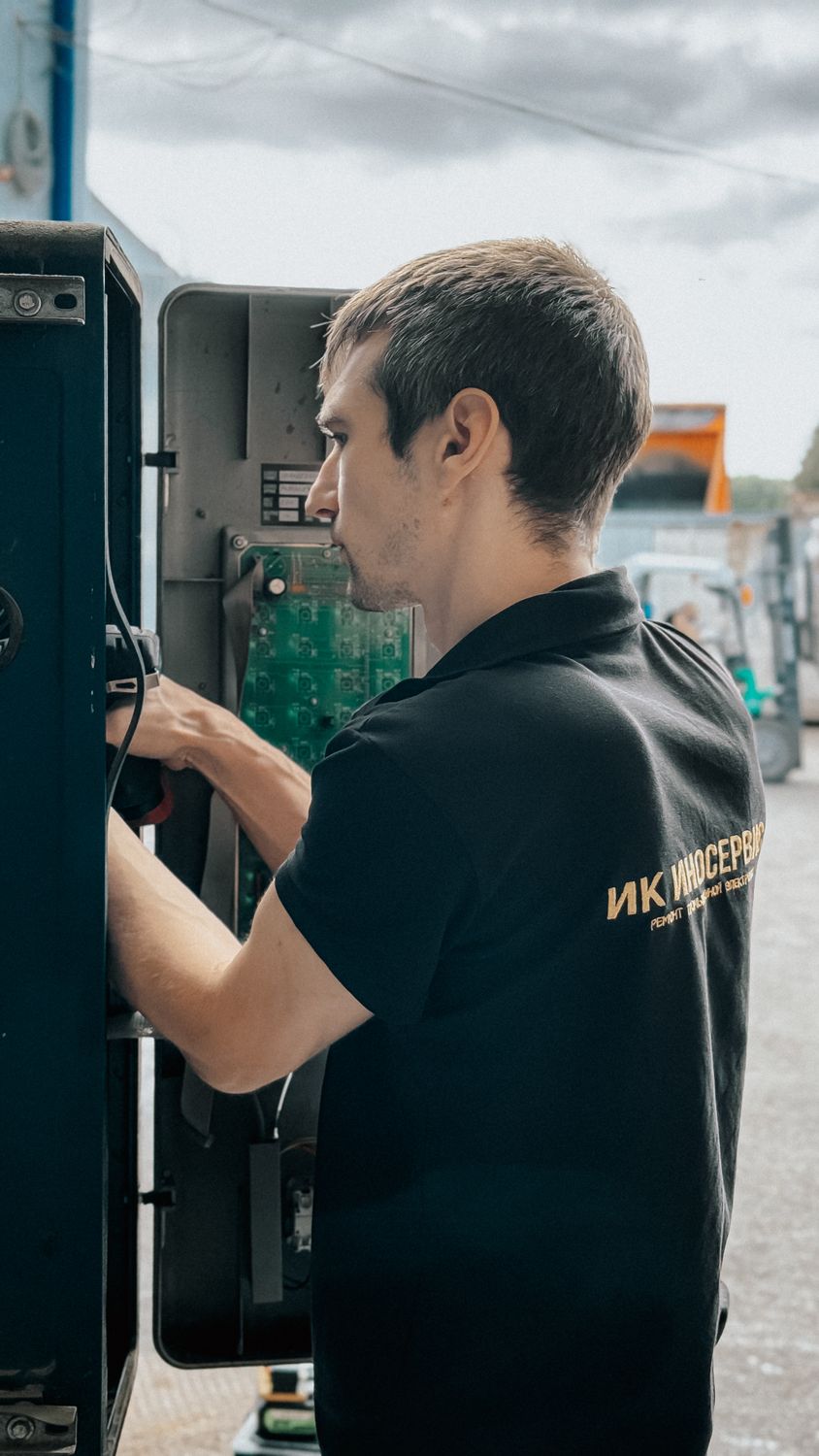
Elevator mechanics are among the highest-paid workers in the construction trades.
Their responsibilities include installing, maintaining, inspecting, and repairing elevators, escalators, moving walkways, and related equipment. Because these systems operate in apartment buildings, shopping centers, hospitals, hotels, and office complexes, their work supports everyday infrastructure.
The job requires technical knowledge of electrical systems, mechanical components, safety procedures, and troubleshooting.
According to the Bureau of Labor Statistics, elevator and escalator installers and repairers earned an annual mean wage of approximately $109,820 in May 2025.
The profession generally requires an apprenticeship, making it a career where practical training can lead to substantial earning opportunities.
Related: 6 Reasons Why Gen Z Is Rejecting Traditional Career Paths
Electrical Power-Line Installers and Repairers
Power-line workers help keep electricity flowing to homes, businesses, factories, and public facilities.
Their responsibilities include installing electrical cables, maintaining transmission and distribution systems, inspecting equipment, and restoring electricity after storms or other disruptions.
This is not an easy occupation. Workers may climb utility poles, operate specialized equipment, work at considerable heights, and handle high-voltage electrical systems.
The BLS reported an annual mean wage of approximately $91,970 for electrical power-line installers and repairers in May 2025.
Many employers require technical training, safety certifications, and extensive on-the-job preparation. The physical demands and risks are significant, but the occupation offers strong earning potential for experienced workers.
Powerhouse, Substation, and Relay Electrical Repairers
Electricity distribution depends on complicated systems that require constant maintenance.
These specialists inspect, repair, and maintain electrical equipment used in powerhouses, substations, and relay systems. Their work helps ensure that electricity can be transmitted and distributed reliably.
They may work with transformers, circuit breakers, switches, protective relays, and other electrical equipment.
The BLS reported an annual mean wage of approximately $100,760 in May 2025 for electrical and electronics repairers working in powerhouse, substation, and relay settings.
The occupation requires specialized technical knowledge and a strong understanding of electrical safety. It can be an attractive option for people interested in industrial electrical work.
Power Plant Operators
Power plant operators control and monitor equipment that generates electricity.
They work in facilities that produce power through different energy sources and technologies. Their responsibilities may include monitoring control panels, adjusting operating conditions, checking equipment, and responding to technical problems.
The job requires concentration because mistakes can affect equipment, electricity production, and workplace safety.
According to May 2025 BLS occupational wage data, power plant operators earned an annual mean wage of approximately $102,040.
Although some positions require substantial technical preparation, the occupation demonstrates how industrial operating skills can translate into well-paying employment.
Boilermakers
Boilermakers construct, install, maintain, and repair large metal containers and equipment used in industrial settings.
Their work can involve boilers, pressure vessels, storage tanks, and other specialized structures. They read technical drawings, prepare metal components, weld materials, and inspect completed work.
Boilermakers are employed in industries such as manufacturing, construction, energy production, and shipbuilding.
The BLS reported an annual mean wage of approximately $80,090 for boilermakers in May 2025.
The occupation can be physically demanding and may involve working in confined spaces, at heights, or in industrial environments. Apprenticeships and welding skills are important routes into the profession.
Aircraft Mechanics and Service Technicians
Aircraft mechanics help ensure that airplanes remain safe and operational.
Their work involves inspecting aircraft, repairing mechanical systems, maintaining engines, and checking components before aircraft return to service.
Depending on their specialization, they may work on engines, landing gear, hydraulic systems, electrical equipment, or other aircraft components.
The job requires precision because aviation maintenance is governed by strict safety standards. Workers often need specialized training and relevant certification.
Aircraft mechanics and service technicians earned an annual mean wage of approximately $81,500 in May 2025, according to BLS occupational wage data.
For people interested in aviation and mechanical work, this profession offers a technical career outside the traditional office environment.
Related: 5 Amazing Things Your Brain Does Without You Realizing It
Avionics Technicians
Avionics technicians specialize in aircraft electronic systems.
Unlike mechanics who may concentrate on engines and mechanical components, avionics specialists work with navigation systems, communication equipment, flight instruments, radar, and electronic controls.
Their responsibilities include testing equipment, diagnosing faults, installing replacement components, and ensuring systems function correctly.
Because modern aircraft depend heavily on sophisticated electronics, these technicians require strong technical skills and attention to detail.
The BLS reported an annual mean wage of approximately $83,380 for avionics technicians in May 2025.
The profession typically requires specialized technical education, training, and experience with aviation electronics.
Construction and Extraction Supervisors

Not every high-paying blue-collar career involves performing physical work throughout the day. Some experienced tradespeople move into supervisory positions.
Construction and extraction supervisors coordinate workers, organize schedules, monitor safety procedures, and ensure projects follow technical requirements.
They may oversee construction crews, mining operations, and other specialized work teams.
According to the BLS, first-line supervisors of construction trades and extraction workers earned an annual mean wage of approximately $86,450 in May 2025.
Many people enter these positions after gaining years of experience in construction or related trades. Strong leadership, communication, technical knowledge, and problem-solving abilities are important.
Electrical and Electronics Repairers in Industrial Settings
Factories and industrial facilities depend on electrical and electronic equipment to operate production lines, machinery, and specialized systems.
Electrical and electronics repairers inspect equipment, identify technical faults, replace damaged components, and carry out preventive maintenance.
Their work can involve industrial controls, motors, electrical circuits, and automated machinery.
The BLS reported an annual mean wage of approximately $75,570 in May 2025 for electrical and electronics repairers working with commercial and industrial equipment.
As workplaces increasingly depend on specialized machinery, workers who can diagnose and repair complex systems remain essential to industrial operations.
Pile Driver Operators
Pile driver operators work in construction projects that require strong foundations.
They operate specialized machinery used to drive piles into the ground. These piles provide support for structures such as bridges, piers, foundations, and other major infrastructure projects.
The occupation requires equipment-handling skills, knowledge of construction procedures, and careful coordination with other workers on the site.
According to the BLS, pile driver operators earned an annual mean wage of approximately $80,710 in May 2025.
The work is often physically demanding and takes place on active construction sites. However, experienced operators can earn considerably more than many entry-level construction workers.
Related: 7 Game-Changing AI Innovations Shaping the Future of Work
Why Blue-Collar Careers Deserve More Attention
The earnings associated with these occupations challenge the assumption that a successful career must begin with a traditional university degree.
Many skilled trades offer alternative routes into the workforce through apprenticeships, vocational programs, technical schools, and employer-sponsored training.
However, high salaries do not come automatically. Experience, location, union membership, industry demand, overtime, licensing requirements, and job complexity can all influence earnings.
Annual mean wages are also averages, not guaranteed salaries. Some workers earn considerably less, while experienced specialists and those working in higher-paying industries may earn more.
For young people deciding what to study or for adults considering a career change, these occupations demonstrate that technical and practical skills can have significant economic value.
A university degree is one possible route to financial stability, but it is not the only one. In many industries, the ability to install, operate, maintain, and repair essential equipment can be equally valuable.
Would you consider learning a skilled trade if it offered a realistic opportunity to earn a six-figure salary without following the traditional four-year college route?