10 Scary Ways Social Media May Be Changing Your Brain
Social media looks harmless because it feels ordinary. We scroll while waiting for food, check notifications before bed, open apps during work breaks, and tell ourselves we are only taking a quick look. Then 20 minutes vanish, our mood changes, and our brain wants one more video, one more comment, one more hit of something new.
The problem is not that every social media user is addicted or damaged. The problem is that these platforms are built to hold attention, trigger emotion, reward quick reactions, and keep us coming back. Over time, that can shape how we focus, sleep, compare ourselves, handle stress, and even connect with people in real life.
Here are 10 ways social media may be quietly changing the brain.
It keeps the brain chasing quick rewards.

Every like, comment, share, message, or new follower can feel like a tiny prize. The brain notices that reward and starts connecting social media with pleasure, approval, and excitement. That is why checking an app can become automatic, even when we are not truly interested in what we might find.
The dangerous part is the unpredictability. Sometimes a post gets attention. Sometimes it does not. Sometimes a message is waiting. Sometimes nothing is there. That uncertainty can make the brain check again and again, the same way people keep pulling a slot machine because the next reward might be close.
Over time, slower rewards can start to feel boring. Reading, studying, exercising, cleaning, praying, talking face-to-face, or finishing real work may not give the same instant feedback. The brain becomes trained to crave quick pleasure, and ordinary life starts to feel too quiet.
It weakens your attention span.
Social media forces the brain to jump constantly. One second, we see a joke. The next second, we see bad news, a beauty post, a fight, a recipe, a celebrity update, and a stranger’s opinion. The brain keeps switching tracks without getting time to settle.
That habit can make deep focus harder. We may sit down to work and suddenly reach for the phone. We may open a book and feel restless after two pages. We may watch a movie, but still scroll through clips at the same time. The brain gets used to interruption and begins to expect it.
The real cost is not just lost time. It is lost depth. Strong thinking needs stillness, patience, and concentration. When social media trains us to move quickly from one thing to another, serious thought can start to feel uncomfortable.
It makes comparison feel normal.
Social media shows us polished pieces of other people’s lives. We see the vacation photo, the beautiful home, the perfect body, the happy couple, the career win, the luxury dinner, and the smiling family moment. We rarely see the debt, the argument, the loneliness, the insecurity, or the mess behind the camera.
The brain still compares. Even when we know a post is edited or staged, it can still make us feel behind. We may start judging our face, body, income, home, relationship, clothes, parenting, or success against someone else’s best moment.
That kind of comparison can damage self-worth. One post may not do much. But hundreds of small comparisons every week can train the brain to feel inadequate. We stop asking whether we are living well and start asking whether our lives look impressive enough to strangers.
It can make anxiety louder.

Social media can keep the brain in a persistent state of alertness. Notifications may signal praise, criticism, gossip, negative news, or requests for response. Even without urgent matters, the brain remains prepared for interruption.
This can create a low-level tension that follows us throughout the day. Some people feel restless when their phone is not nearby. Others feel nervous when they have not checked their messages. Many people experience that strange moment where they think their phone vibrated, only to find nothing happened.
The anxiety can also come from the feed itself. Outrage, tragedy, arguments, political panic, public shaming, and emotional videos can keep the nervous system activated. We may close the app, but the stress stays in the body.
It disrupts sleep more than people admit.
Late-night scrolling is one of the easiest ways to wreck sleep without noticing. The brain may be tired, but the feed keeps offering something new. One video becomes ten. One comment thread becomes a long argument. One quick check becomes another lost hour.
The content itself can also keep the mind awake. Emotional posts, shocking videos, bad news, relationship content, or work messages can make the brain feel active when it should be winding down. Even if we fall asleep later, the quality of rest may suffer.
Poor sleep affects almost everything. It can make people more irritable, less focused, more anxious, and more likely to crave quick stimulation the next day. Then the tired brain reaches for the phone again, and the cycle continues.
It trains the brain to hate boredom.
Boredom is not always bad. It gives the mind space to think, imagine, process emotions, and generate ideas. Some of our best thoughts arrive when nothing is demanding our attention.
Social media removes those empty spaces. Waiting in line, sitting in a car, eating alone, lying in bed, or taking a short break can all become opportunities to scroll. The brain loses practice being still.
After a while, even a few quiet seconds can feel uncomfortable. We reach for the phone before we even know what we are avoiding. That can weaken creativity, patience, and self-awareness because the brain is constantly consuming rather than reflecting.
It can make impulse control weaker.
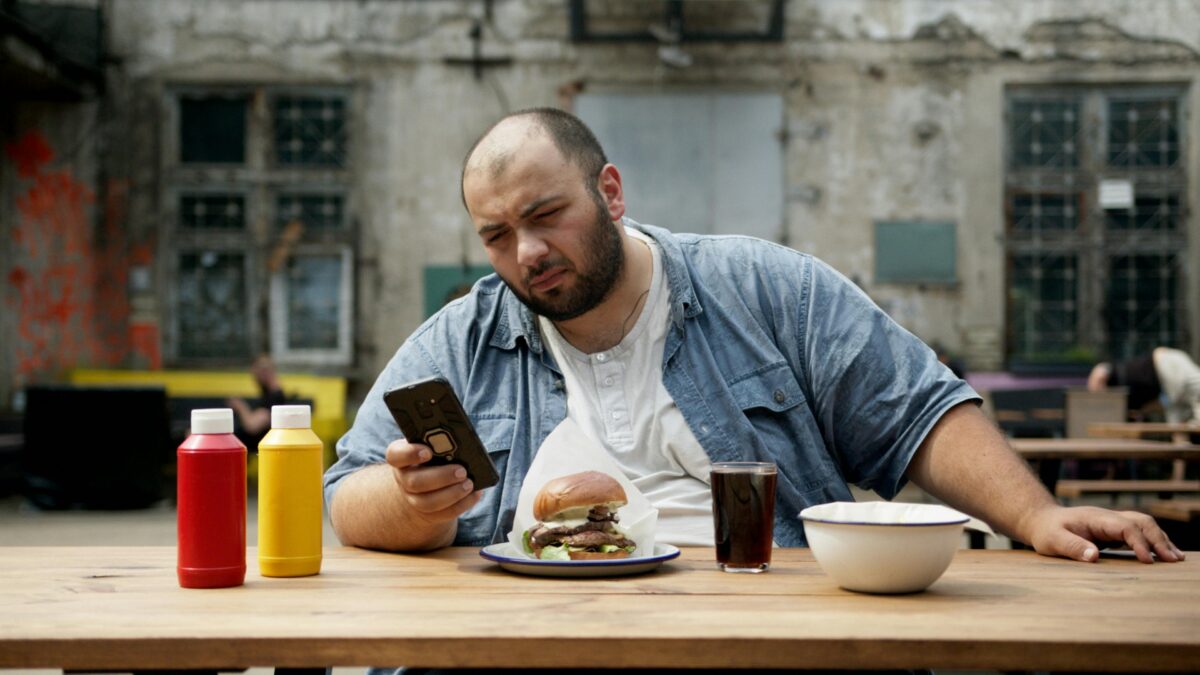
Social media rewards instant reaction. Tap now. Like now. Reply now. Share now. Watch now. Buy now. Comment now. The brain gets trained to act quickly rather than pause.
That quick-response habit can spread into other parts of life. A person may struggle to stop scrolling, but they may also struggle to stop arguing online, buying things they do not need, procrastinating, or reacting emotionally before thinking. The brain becomes used to immediate action.
This does not mean every social media user loses self-control. But heavy use can make discipline harder, especially when someone is tired, stressed, lonely, or bored. The more the brain practices instant gratification, the harder delayed gratification can feel.
It can hurt real-life social skills.
Online communication is fast, edited, and often missing the emotional details of real life. A comment does not show the full tone. A message does not show facial expression. A profile picture does not show a whole person.
When online interaction replaces face-to-face connection, the brain may get less practice reading real human signals. Eye contact, silence, body language, emotional timing, and honest conversation all matter. These things build empathy and social confidence.
This is especially important for young people. If a teenager learns to measure friendship through likes, views, streaks, group chats, and public reactions, real-life relationships can become more confusing. The brain still needs an offline connection where people are not performing for an audience.
It can make body image problems worse.
Social media has turned appearance into a constant public contest. Filters smooth skin, reshape faces, brighten eyes, slim bodies, and create a version of beauty that ordinary people cannot naturally maintain. The brain sees these images again and again until fake starts to feel normal.
Fitness and beauty content can inspire some people, but it can also create pressure. A person may begin comparing their body to edited photos, professional lighting, surgery results, extreme routines, or carefully posed images. That can make normal bodies feel unacceptable.
This pressure can affect confidence in daily life. People may avoid photos, judge themselves in mirrors, feel anxious about clothing, or believe they must fix things that were never wrong. Social media does not create every insecurity, but it can pour fuel on the ones already there.
It can create addiction-like behavior.
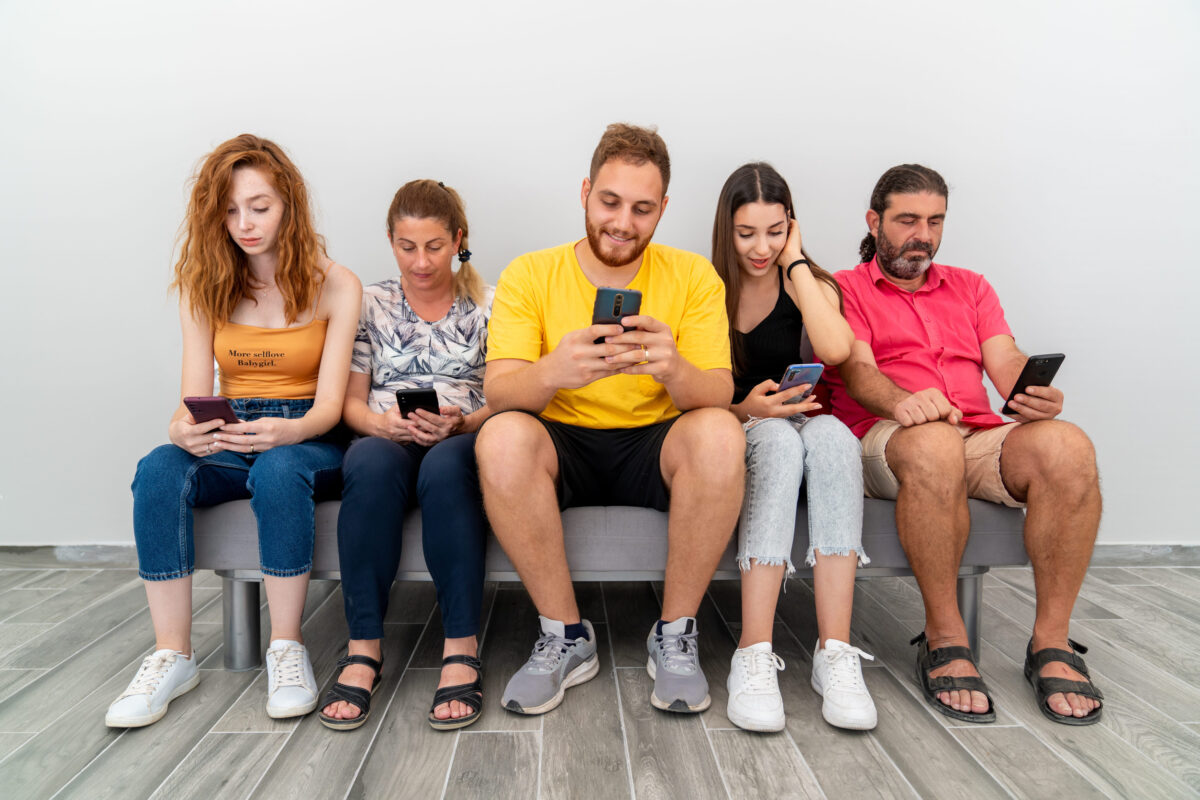
The biggest warning sign is not how much time someone spends online. It is whether they feel in control. If a person keeps using social media even when it harms their sleep, work, relationships, mood, or self-esteem, the habit may be entering dangerous territory.
Addiction-like behavior can look simple at first. Checking the phone immediately after waking. Scrolling while exhausted. Feeling irritated when unable to get online. Trying to reduce screen time and failing. Opening an app without remembering why. Feeling worse after scrolling, but doing it again anyway.
That cycle can be hard to break because social media can create discomfort and then offer an escape. A person feels anxious, bored, lonely, or insecure, then returns to the same platform for relief. The brain gets trapped in a loop that feels normal because it happens every day.