10 Ways Couples Over 60 Have Changed How They Eat Together
For decades, dinner for many couples meant feeding a crowd. There were kids to get to practice, school lunches to pack and a big pot of something on the stove every night. Meals were planned around everyone else’s schedule, and the two people who started the family often barely had time to sit down together.
Then the kids grow up and move out, and retirement arrives. Suddenly, it’s just the two of you again at a table that once held five or six. Many couples over 60 find that mealtime changes in ways they never expected. Some of it takes getting used to, and some of it turns out to be one of the best parts of this stage of life.
If you and your spouse have noticed your eating habits shifting, you’re in good company. Here are 10 ways couples over 60 have changed how they eat together, based on what older couples say about their new routines.
1. Dinner Comes Earlier
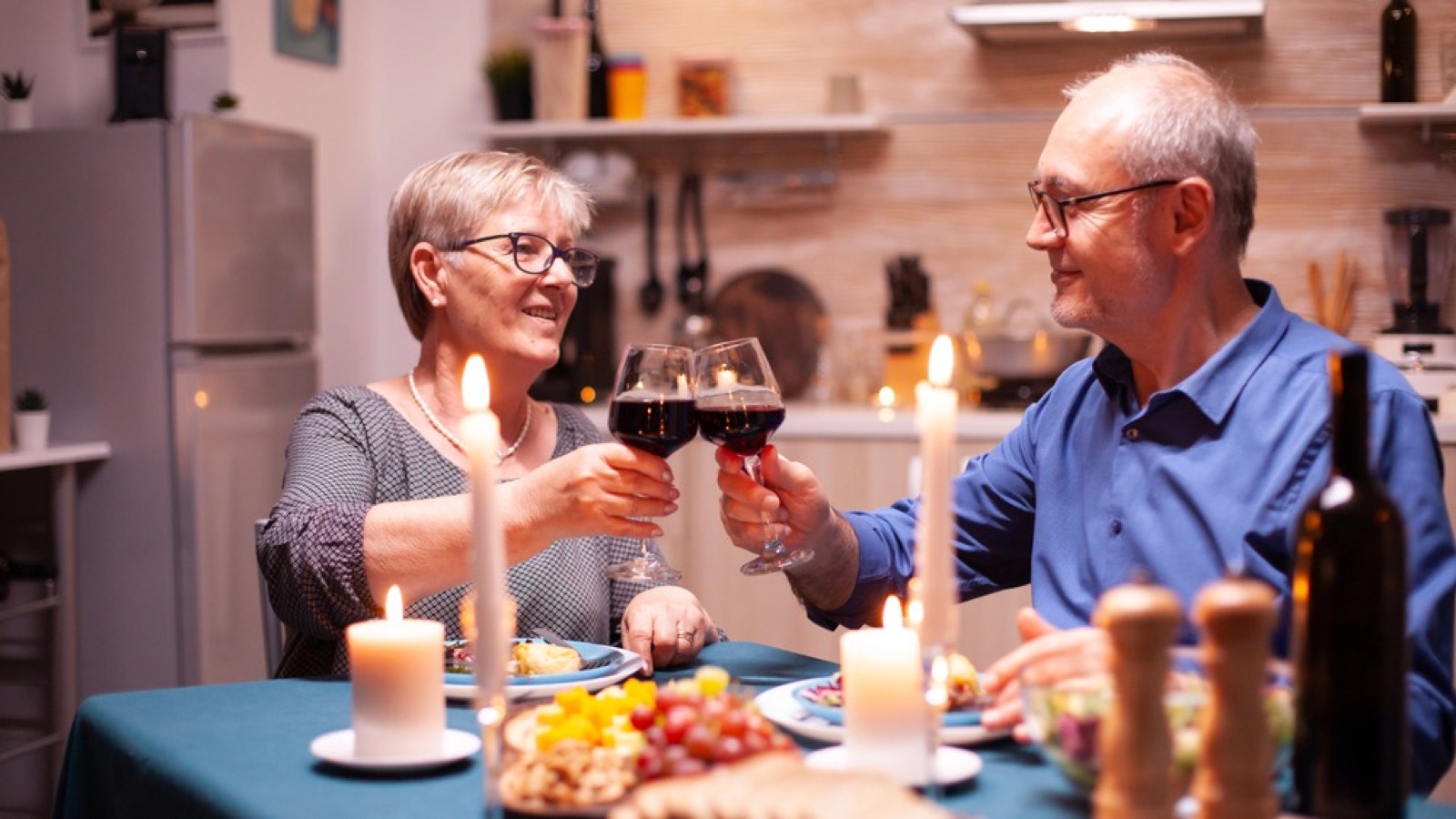
Without commutes, evening meetings or kids’ sports practices, many retired couples move dinner up. Eating at 5 or 5:30 p.m. becomes the norm, and the long evening that follows is free for TV, walks or a game of cards.
Younger family members may tease them about the “early bird special,” but couples who do it usually love it. Restaurants are quieter, service is faster and nobody has to wait for a table. Plenty of younger diners have started copying the habit, too, once they discover how pleasant it is.
2. Lunch Becomes the Big Meal
Some couples flip the day around and make lunch their main meal. They might eat out at noon, when restaurant prices are often lower and portions just as generous, then have something light like soup or a sandwich in the evening.
This was common in many farm families generations ago, when the midday “dinner” was the biggest meal of the day. Retirement gives couples the freedom to bring that old rhythm back. It also makes an afternoon out together feel like a small treat, without the expense of a full evening on the town.
3. They Cook Together
When both partners are home all day, cooking often becomes a team effort. One chops while the other stirs. One handles the grill while the other makes the salad. For couples where one person did all the cooking for years, sharing the kitchen can feel like a whole new adventure.
Many husbands who never cooked much during their working years discover they enjoy it. Some take cooking classes or pick up a few signature dishes. For couples, those shared evenings at the stove often become a time for talking, laughing and arguing over how much garlic is too much.
4. Portions Get Smaller
After years of cooking for a big family, many couples find themselves making far too much food. Gradually, they learn to scale things down. Recipes get cut in half, casseroles go into smaller dishes and the giant stock pot gets pushed to the back of the cupboard.
Appetites often change with age, too, so smaller plates feel natural. Couples also hate throwing food away, a habit many picked up from parents who lived through hard times. Cooking for two takes some practice, but most couples eventually find a rhythm that works for them.
5. Splitting Plates at Restaurants
Restaurant portions in America are famously large, and many older couples simply share. They’ll order one entrée and an extra salad, or split a dessert with two forks. It saves money and avoids that overstuffed feeling at the end of the night.
Some couples always ask for a to-go box right away and set half aside for the next day’s lunch. Servers are used to it, and many restaurants will happily split a plate in the kitchen. It’s one of those small habits that make dining out easier and more enjoyable.
6. Eating Out Less, but Choosing Better
Rising prices have made many Americans rethink how often they eat at restaurants. A YouGov survey found that more than a third of Americans said they were dining out less often than the year before because of cost.
Older couples often respond by making restaurant meals count. Instead of grabbing fast food on the run, they save up for a nice dinner at a favorite spot once or twice a month. A special meal for an anniversary or birthday feels more meaningful when it isn’t an everyday thing.
7. Breakfast for Dinner
Once there are no kids to please, the rules about what counts as dinner tend to loosen. Many couples over 60 happily eat pancakes, scrambled eggs or a simple omelet at night. It’s quick, cheap and comforting, and it takes far less effort than a full meal.
Other couples go for what some call “snack plate” dinners, with cheese, crackers, fruit and a few slices of meat. After decades of cooking big meals every night, these easy dinners feel like a small luxury. Nobody complains, and there are fewer dishes to wash.
8. Trying New Foods
With more time and fewer picky eaters at the table, many couples finally explore new cuisines. They try the Thai place down the road, experiment with Indian spices or sign up for a cooking class together. Travel often sparks new interests, too.
Some couples make a game of it, picking a different country’s food each week. Others discover that a dish they swore they’d never eat as kids is actually delicious. Retirement is a great time to be curious, and the dinner table is an easy place to start.
9. Eating Outside More
Patios, porches and backyard decks get a lot more use once couples have time on their hands. Morning coffee and evening meals move outdoors whenever the weather allows. It’s peaceful, and there’s something about a meal under the open sky that makes it feel special.
Couples who downsize to smaller homes or condos often look for a place with a balcony or patio for exactly this reason. A simple dinner outside, watching the sunset together, is one of the simple pleasures many couples say they waited a lifetime to enjoy.
10. Rediscovering Each Other at the Table
Perhaps the biggest change is emotional. With the kids gone, couples sit across from each other and actually talk. For some, it takes time to adjust, since the conversation used to revolve around the children. But many find it brings them closer than they’ve been in years.
Couples who stay happy after 50 often make shared meals a priority, as this look at habits of happy couples points out. Turning off the TV, setting the table nicely and lingering over coffee can turn an ordinary evening into a date.
The Table for Two
Eating together as a couple after 60 is a new chapter, and it doesn’t have to look like the busy family dinners of the past. Many couples find freedom in the change, along with a few unspoken rules that keep a long marriage running smoothly.
How have your mealtime habits changed since the kids left home? Do you eat earlier, cook together or eat out more? Tell us what your table for two looks like now.