9 Troubling Reasons the Old Testament Makes God’s Love Hard to Explain
Some Bible questions do not arrive quietly. They sit in the back of the mind and make people nervous. One of the hardest is this: if God is loving, merciful, and good, why do so many Old Testament stories involve war, judgment, bloodshed, and destruction?
Many believers have felt that tension, even if they rarely say it out loud. Critics point to violent passages and ask how they can fit with a God of love. Christians read Jesus teaching of mercy, forgiveness, and love for enemies, then turn back to stories of conquest, plagues, judgment, and divine anger. The question is uncomfortable, but avoiding it does not make it disappear.
The Ancient World Was Already Brutal Before Israel Entered the Story
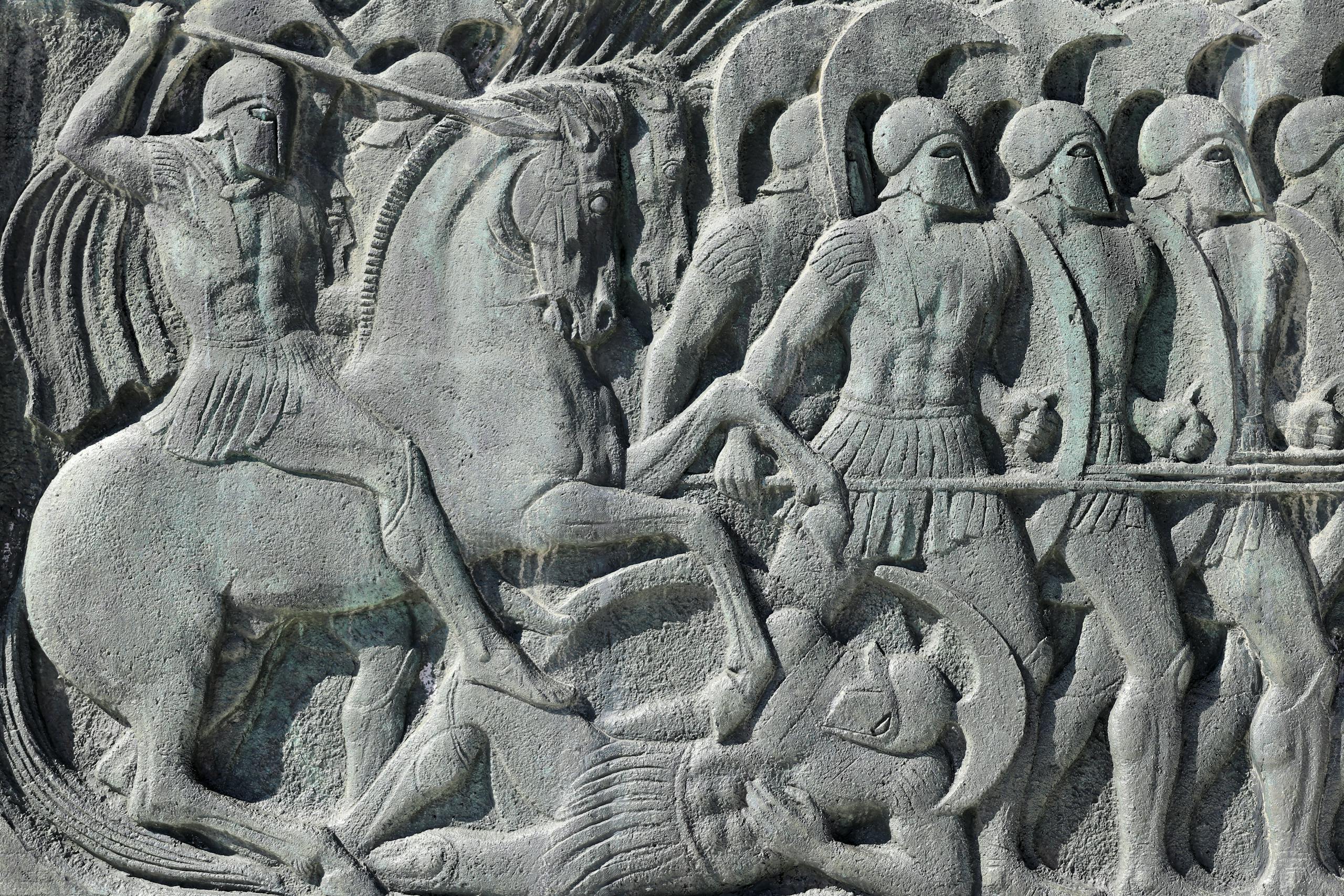
Modern readers often approach the Old Testament from a world shaped by human rights language, international law, democratic ideals, and modern expectations about warfare. The ancient Near East was not that world. It was a place of tribal conflict, invading armies, slavery, empire-building, city destruction, and kings who measured strength by conquest.
That context does not make every violent story easy to accept. It simply reminds readers that the Old Testament did not invent a peaceful world and then make it violent. It often describes a violent world where survival, land, power, family, worship, and national identity are constantly under threat.
Scripture Often Reports Human Evil Without Endorsing It
One major mistake readers make is assuming that every event recorded in the Bible is automatically approved by God. The Old Testament tells stories of murder, betrayal, abuse, revenge, corruption, adultery, deception, and political cruelty. Many of those stories are not moral examples. They are warnings.
David’s sins do not become acceptable because they are in Scripture. Jacob’s deception is not presented as clean behavior. Samson’s recklessness does not become wisdom. The Bible often shows human failure with painful honesty, and that honesty can make the text feel darker than people expect from a holy book.
God’s Judgment Feels Severe When Sin Looks Small to Us
Many violent Old Testament passages are tied to judgment, and that is where modern readers often struggle most. The flood, Sodom and Gomorrah, the plagues, conquest narratives, and prophetic warnings can feel harsh if sin is viewed mainly as private mistakes or personal weakness.
The biblical worldview treats evil as something far more destructive. Oppression, child sacrifice, idolatry, sexual violence, murder, corruption, and injustice are shown as forces that ruin families, cities, and nations. From that angle, judgment is not random cruelty. It is the terrifying answer to evil that has been allowed to grow for too long.
Ancient War Language Can Sound More Absolute Than It Was

Some Old Testament battle accounts use language that sounds total, final, and devastating. Modern readers may take every phrase in the most literal possible way. Yet ancient military writing often used sweeping language of victory, including claims that enemies were completely destroyed, even when those groups later reappeared.
That does not remove every hard question from the conquest stories. It does, however, suggest that some passages may be using the common war language of their time. If ancient battle rhetoric is being used, then some descriptions may communicate decisive victory rather than a modern-style statistical report of every death.
Love in the Bible Is Not Soft Permission for Evil
Many people today define love as acceptance, emotional warmth, and the refusal to judge. The Bible’s definition is deeper and more demanding. Love includes mercy, patience, protection, holiness, correction, rescue, and justice. That is why biblical love can comfort victims while confronting oppressors.
A God who never judges evil might sound gentle to comfortable people. But to the abused, exploited, enslaved, and crushed, a God who refuses to confront evil would not look loving at all. The Old Testament keeps forcing that harder question into view: can love be real if it never protects anyone from destruction?
The New Testament Is Not as Soft as People Pretend
Many readers create a simple contrast between an angry Old Testament God and a gentle New Testament Jesus. That contrast is too easy. Jesus preached mercy, healed the sick, welcomed sinners, and told His followers to love their enemies. He also warned about judgment, hypocrisy, hell, spiritual blindness, and the danger of rejecting God.
The New Testament does not erase divine justice. It reveals it through a different center. Christians believe Jesus shows God most clearly, but that does not mean God changed personalities between the testaments. The same God is presented as merciful and holy, patient and just, forgiving and serious about evil.
The Cross Changes the Lens Without Erasing the Tension

Christians do not read the Old Testament as a disconnected book of ancient violence. They read it through Jesus. That matters because the cross becomes the place where evil, judgment, mercy, suffering, forgiveness, and divine love collide in the most dramatic way.
Still, the cross does not make every Old Testament passage instantly simple. It gives Christians a center for interpretation. The Bible moves toward a Messiah who does not build His kingdom by slaughtering enemies, but by absorbing violence, exposing human cruelty, forgiving sinners, and defeating evil through sacrificial love.
Some Passages Are Supposed to Make Readers Wrestle
Faith does not require pretending that every passage feels easy. Some Old Testament stories should make readers slow down. They should send people back to context, history, theology, prayer, and serious study instead of quick slogans.
Discomfort is not always a sign of unbelief. Sometimes it is the beginning of mature faith. The danger is not asking hard questions. The danger is giving shallow answers to questions that deserve reverence, honesty, and humility.
The Real Problem May Be What Humans Want God to Ignore
The Old Testament’s violence continues to trouble readers because it exposes a conflict most of us would rather avoid. We want a God who is loving, compassionate, patient, and forgiving. We also want a God who stops evil, defends the vulnerable, punishes cruelty, and brings justice to a broken world. The problem is that those desires eventually collide. We celebrate justice when it targets someone else’s wrongdoing, but we become uncomfortable when justice reveals how serious evil really is.
At its core, the debate is not just about ancient battles or difficult passages. It is about whether we truly want a God who confronts evil wherever He finds it. If God never judges evil, protects the innocent, confronts cruelty, or holds violent people accountable, is that really love? The Old Testament does not glorify violence as God’s final vision. It exposes a broken world and asks a question modern readers still have to answer: if you were God, how would you deal with evil, and would your answer truly be more just than His?