10 Workplace Mistakes That Could Quietly Hurt Your Career
Careers are rarely damaged by one loud disaster. Most of the time, the real damage happens quietly through small habits people repeat every day. A careless email, a missed deadline, a bad attitude in meetings, or a habit of avoiding feedback can slowly change how coworkers and managers see you.
That is what makes workplace mistakes so dangerous. They often look harmless in the moment. You may think nobody noticed you were late again, unprepared again, or slightly rude again, but workplaces have long memories.
Professional success is not only about talent. It is also about trust, consistency, communication, and emotional control. The people who rise often understand something simple: how you work can matter just as much as the work itself.
Acting Busy Without Actually Delivering Results

Looking busy is not the same as being effective. Some employees fill their day with emails, meetings, updates, and visible movement, but the actual results remain thin. At first, this may fool people because activity can look like productivity from a distance.
Over time, managers notice the difference. They see who finishes important tasks, solves problems, and moves projects forward. If your workday is full but your outcomes are weak, your reputation can take a hit. The strongest professionals do not just look occupied. They make progress that people can measure.
Treating Deadlines Like Suggestions
Missing one deadline can happen to anyone. Missing deadlines often is a career problem. It tells people they cannot fully depend on you, even when your talent is obvious. In many workplaces, reliability is one of the fastest ways to build trust.
The bigger issue is that one late task can delay several other people. A report, design, approval, reply, or presentation may be part of a larger chain. When you delay your part without warning, you make other people scramble. A smart professional communicates early, asks for help before the deadline collapses, and protects their reputation by respecting time.
Ignoring Feedback Because It Feels Personal
Feedback can sting, especially when you care about your work. Nobody enjoys hearing that something was unclear, late, weak, or below expectations. Still, rejecting feedback too quickly can make you look defensive, difficult, and unwilling to grow.
The best professionals do not treat feedback as an attack. They treat it as useful information. Even when the delivery is not perfect, there may still be something worth learning. A person who can receive correction without falling apart becomes easier to coach, promote, and trust with bigger responsibilities.
Gossiping as if It Will Never Reach the Wrong Person

Office gossip can feel harmless when it starts as a small conversation. One comment about a manager, one complaint about a coworker, or one secret shared over lunch can feel like bonding. The problem is that gossip rarely stays where it begins.
Once people see you as someone who talks carelessly, they may stop trusting you with serious information. Even worse, your words can travel back to the person you discussed, often with extra drama attached. A strong reputation is built on discretion. If a conversation would embarrass you if repeated, it is probably safer not to say it at work.
Talking Too Much and Listening Too Little
Confidence can help your career, but constant talking can hurt it. Some people dominate meetings, interrupt coworkers, repeat their own ideas, or rush to prove they are the smartest person in the room. That behavior can quickly become exhausting.
Listening is one of the most underrated career skills. It shows maturity, respect, and awareness. People who listen well often understand problems faster because they are not just waiting for their turn to speak. If you want to be taken seriously, do not simply talk louder. Learn to listen better.
Bringing a Bad Attitude Into Every Room

Everyone has stressful days. Work can be frustrating, unfair, tiring, and full of pressure. Still, a consistently negative attitude can become one of the fastest ways to damage your professional image. People may tolerate it for a while, but eventually they start avoiding the person who makes every room heavier.
A bad attitude does not always look like shouting. Sometimes it looks like constant complaining, sarcasm, eye-rolling, silent resistance, or acting as if every task is beneath you. You do not have to fake happiness at work, but you do need emotional discipline. Your mood should not become everyone else’s problem.
Refusing to Ask Questions When You Are Confused
Some employees stay quiet because they do not want to look inexperienced. They nod through instructions, pretend they understand, then make mistakes that could have been avoided with one clear question. Silence may feel safe in the moment, but confusion usually reveals itself later.
Asking questions is not a weakness. It shows that you care about getting the work right. The key is to ask thoughtful questions, not questions that prove you ignored everything already explained. Smart clarification can save time, reduce errors, and show that you are engaged enough to do the task properly.
Treating Small Tasks Like They Do Not Matter
Small tasks can reveal a lot about a person’s work ethic. How you handle basic emails, meeting notes, follow-ups, file names, calendar invites, and simple admin work can shape how people judge your attention to detail. It may not seem glamorous, but it matters.
Managers often look at small responsibilities before trusting someone with bigger ones. If you are careless with simple tasks, people may assume you will be careless with larger projects. Excellence is not only shown in major presentations. It is also shown in the ordinary work nobody claps for.
Failing to Own Your Mistakes
Mistakes are normal. Blaming others, hiding errors, or pretending nothing happened is what creates real trouble. A person who cannot own a mistake forces everyone else to spend extra energy managing the fallout.
Accountability builds trust faster than perfection. When you admit what went wrong, explain what you are fixing, and avoid repeating the same issue, people are more likely to respect you. Professionals who take responsibility look stronger, not weaker. The workplace does not need flawless people. It needs honest ones.
Forgetting That Professionalism Still Matters Online
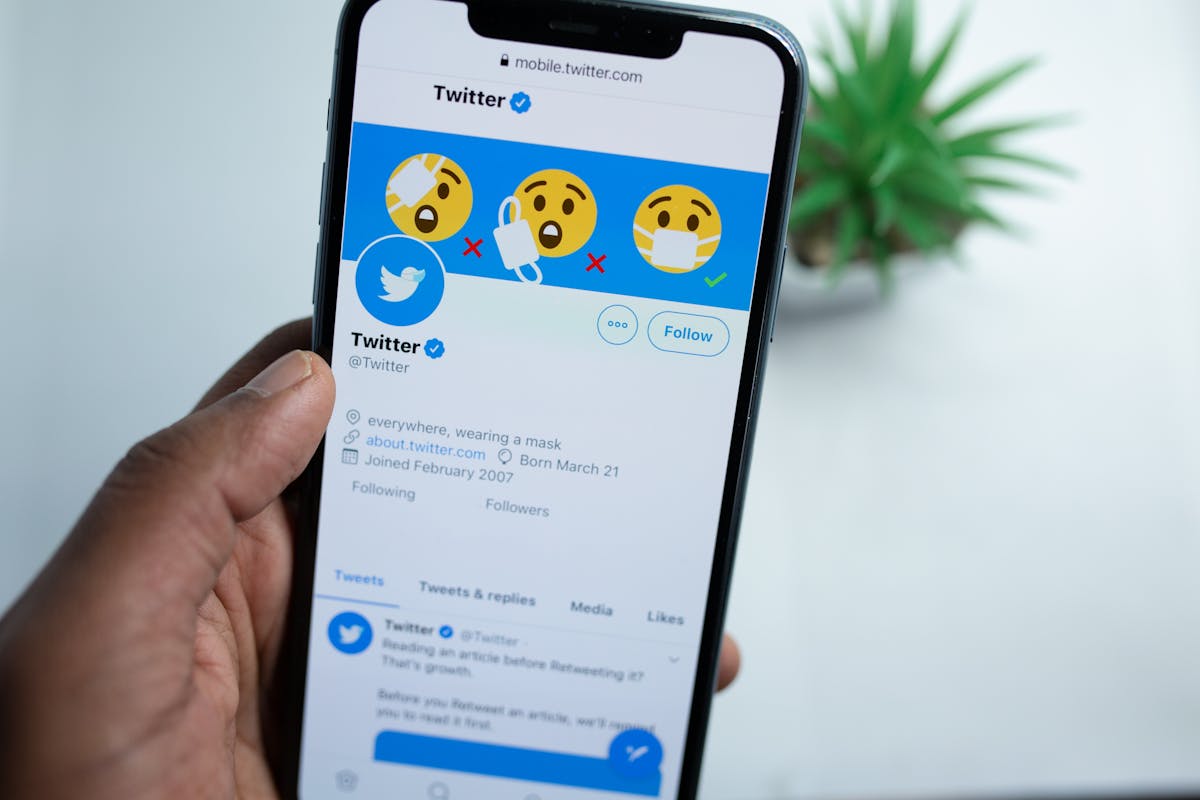
Your career reputation does not stop at the office door. Online behavior can influence how colleagues, clients, recruiters, and managers see you. Careless posts, public arguments, rude comments, oversharing, or disrespectful jokes can make people question your judgment.
This does not mean you need to become boring online. It means you should remember that visibility has consequences. A strong personal brand can help your career, but a messy digital presence can quietly work against you. Before posting, ask one simple question: would I be comfortable if a future employer saw this?