11 Common Travel Problems That Can Ruin A Vacation
A great trip can fall apart in one small moment. One missed train, one dead phone, one stolen wallet, one wrong turn after sunset, and suddenly the dream vacation starts feeling like a survival test with a boarding pass.
That is why smart travel is not about expecting everything to go perfectly. It is about cultivating enough calm, having backup plans, and maintaining practical awareness so that common travel problems do not swallow the whole journey. We cannot control every delay, scam, storm, illness, or lost bag, but we can control how prepared we are before trouble arrives.
Most travel problems have a pattern. They usually stem from poor information, weak backup systems, rushed decisions, overconfidence, exhaustion, or the assumption that everything will work the same way it does at home. Once we understand those patterns, we stop reacting like panicked tourists and start moving like prepared travelers.
Getting Lost in an Unfamiliar City

Getting lost is one of the oldest travel problems, even in the age of smartphones. A traveler can have maps, translation apps, ride apps, and GPS, and still walk out of the wrong metro exit and feel completely disoriented. The risk increases at night, in crowded markets, at large bus stations, or in cities where street signs are limited, hidden, or written in a language we cannot read.
The best solution is to prepare before leaving the hotel or apartment. We should download offline maps, save the address of our accommodation, take a screenshot of the route, and keep a written version of the address in the local language. If we get lost, the first move is to stop walking aimlessly, step into a safe public place, and calmly recheck the route. A hotel lobby, café, police post, official transport desk, or busy shop is safer than standing confused on a street corner with a phone exposed.
Losing a Passport Abroad
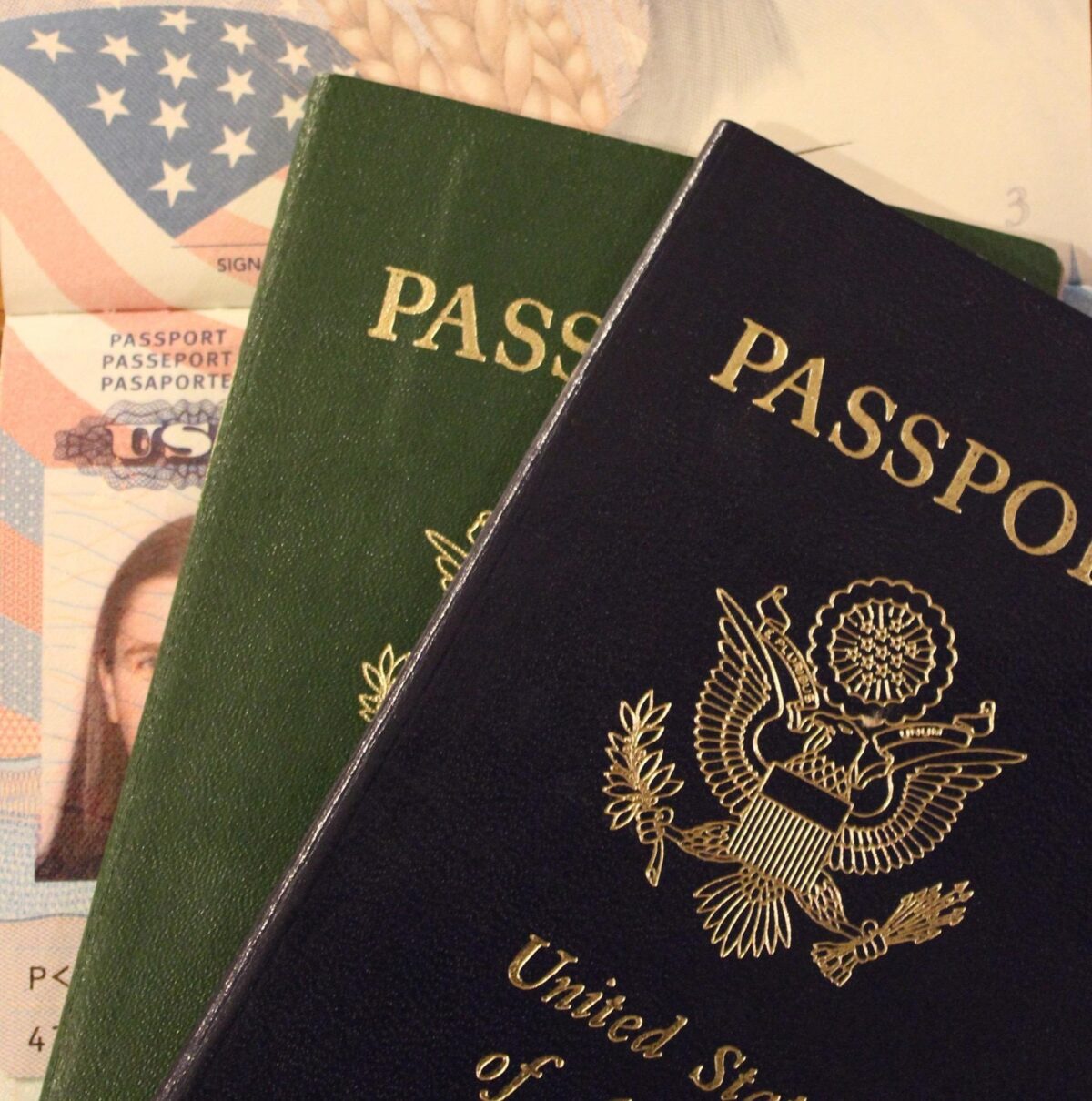
A lost passport can turn a normal trip into a serious administrative headache. Without it, we may struggle to board flights, check into hotels, cross borders, verify identity, or access certain services. The problem becomes more stressful when the passport disappears close to the departure date, during a holiday weekend, or in a country where our embassy or consulate is far from the city we are visiting.
We should keep digital and printed copies of the passport photo page, visa page, entry stamp, travel insurance, and flight details. The original passport should stay locked away unless we truly need it, and a separate form of identification should be carried for daily use where acceptable. If the passport is lost or stolen, we should report it to local police, request a written report, contact the nearest embassy or consulate, and ask about emergency travel documents. The faster we act, the easier it becomes to protect our identity and rescue the trip.
Missing a Flight, Train, or Bus Connection
Missed connections are among the most frustrating travel problems because they often happen in a rush. A long airport security line, a delayed taxi, a confusing terminal, a gate change, a traffic jam, or a late first flight can disrupt the entire schedule. The financial damage can grow quickly if hotel nights, tours, transfers, or onward tickets depend on one tight connection.
The safest strategy is to avoid booking transport like a chain of dominoes. We should leave wider gaps between connections, check terminal layouts in advance, arrive earlier for international departures, and avoid separate airline bookings with narrow transfer windows. If we miss a connection, the first step is to speak to the official airline, rail, or bus desk before buying anything new. We should ask about rebooking rights, delay protection, standby options, same-day alternatives, and written confirmation for insurance claims.
Lost or Delayed Luggage
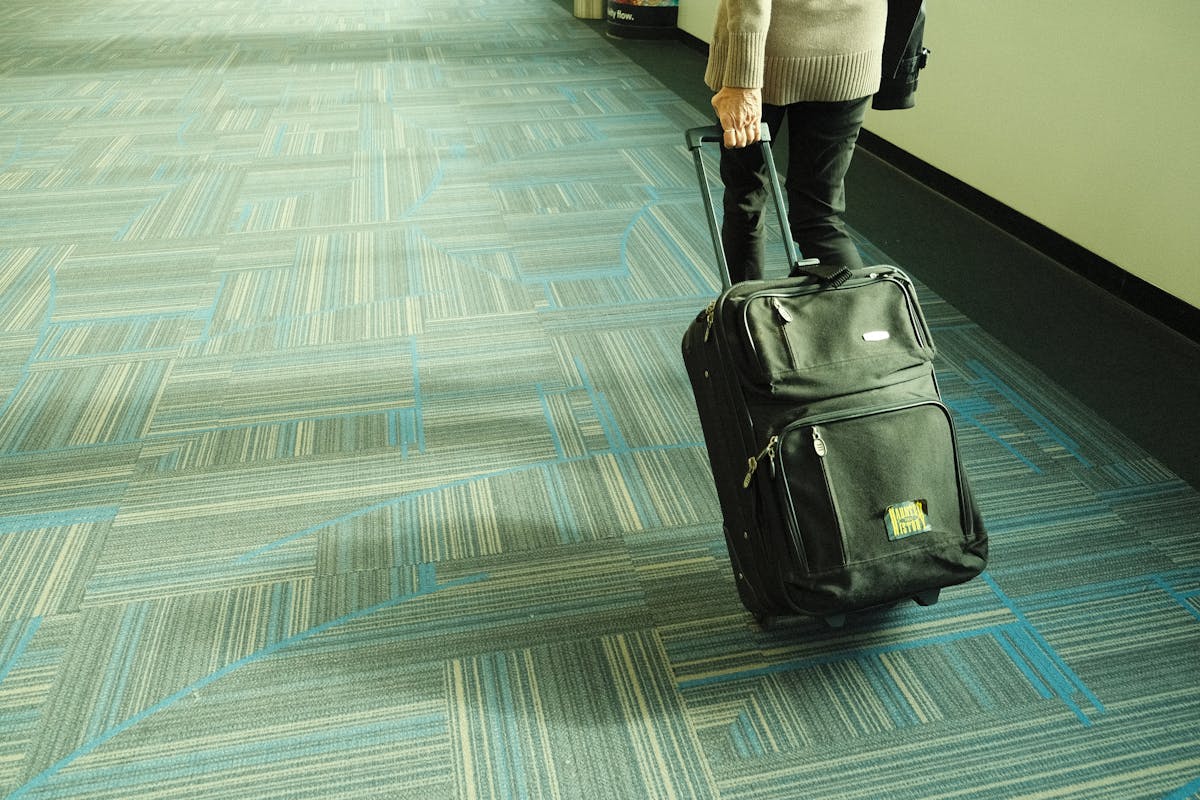
Few travel moments feel more deflating than standing beside an empty baggage belt as everyone else leaves with their suitcase. Lost luggage can leave us without clothes, medication, chargers, toiletries, work items, or special gear needed for the trip. The issue becomes even worse during cruises, weddings, business travel, adventure trips, or family holidays with children.
We should pack one smart carry-on bag, as if checked luggage may disappear for two days. That means keeping medication, a change of clothes, basic toiletries, chargers, travel documents, valuables, and essential work items with us. If a bag does not arrive, we should file a Property Irregularity Report before leaving the airport, photograph the report, save baggage tags, keep receipts for emergency purchases, and track the claim daily. Calm persistence matters because baggage teams handle many cases at once, and documented follow-up keeps our case visible.
Losing a Phone While Traveling

A lost phone is no longer just a lost device. It can mean losing maps, tickets, banking apps, hotel confirmations, translation tools, ride services, photos, contacts, and two-factor authentication codes. Many travelers discover the real problem only after they try to log in to an account on a new device and realize the verification code is being sent to the missing phone.
We should set up phone security before every trip. That includes screen lock, device tracking, cloud backup, password manager access, backup email, offline copies of tickets, and a trusted contact who can help if we are locked out. We should avoid waving the phone around in crowded streets, on restaurant terraces, in nightlife areas, and on public transport. If the phone is stolen, we should move somewhere safe, lock or remotely erase the device, contact the mobile provider, change important passwords, alert banks where necessary, and file a police report with insurance.
Pickpocketing and Street Theft
Pickpocketing often happens so smoothly that the traveler notices only after the thief has already disappeared. Crowded buses, train platforms, tourist squares, markets, festivals, beaches, and ATM areas create perfect conditions for distraction theft. The thief may work alone, but many operate in pairs or groups, using spills, questions, fake petitions, sudden bumps, or staged arguments to pull attention away from valuables.
We should carry less than we think we need. A small amount of cash, one card, and a secure copy of identification are usually enough for daily movement. Money belts, crossbody bags, front pockets, anti-theft bags, and zipped inner compartments reduce risk. If theft occurs, we should avoid chasing the person unless safety is guaranteed; then cancel the cards, report the incident, request a police reference number, and contact insurance. The emotional shock is real, but the goal is to protect ourselves first and replace items second.
Getting Sick During a Trip
Illness while traveling can feel especially lonely because the body is struggling in an unfamiliar environment. Sickness can come from new food, contaminated water, heat, altitude, exhaustion, poor sleep, insect bites, motion sickness, or exposure to unfamiliar germs. Even a mild illness can ruin sightseeing plans, delay transport, and create anxiety if we do not know where to get help.
A practical travel health kit is essential. We should carry prescribed medication, pain relievers, oral rehydration salts, motion sickness tablets, antihistamines, insect repellent, sunscreen, basic wound care supplies, and any personal medical essentials. We should also save the address of nearby clinics, know the emergency number of the destination, and confirm travel insurance coverage before departure. If symptoms are severe, persistent, or unusual, we should seek medical help promptly rather than trying to “push through” the trip.
Food Poisoning and Stomach Trouble
Food poisoning is one of the most common travel problems because eating is part of the adventure. Street food, buffets, seafood, unwashed produce, unsafe water, undercooked meat, and poor food storage can all trigger stomach issues. The symptoms can appear suddenly and may include cramps, nausea, vomiting, diarrhea, weakness, fever, and dehydration.
We can reduce the risk by eating at busy places with high turnover, choosing food that is cooked fresh and served hot, drinking sealed bottled water where tap water is unsafe, avoiding ice in risky areas, and washing or sanitizing hands often. If stomach trouble hits, hydration becomes the priority. We should drink safe fluids, use oral rehydration salts, rest, avoid alcohol and heavy meals, and seek medical care if there is blood, high fever, severe dehydration, intense pain, or symptoms that do not improve.
Jet Lag and Travel Exhaustion
Jet lag is not just ordinary tiredness. It happens when the body clock falls out of rhythm after crossing time zones, leaving us awake at the wrong hours and sleepy when we need energy. Add airport stress, dry cabin air, poor sleep, heavy meals, and long queues, and even the first day of a dream destination can feel foggy and uncomfortable.
We should start adjusting before departure, where possible. Sleeping slightly earlier or later, drinking enough water, limiting alcohol intake, getting sunlight upon arrival, and matching meals to the new time zone can help the body settle in faster. On arrival day, we should avoid planning the most expensive or important activity unless the trip schedule demands it. A gentle walk, fresh air, a light meal, and an early night often work better than forcing the body through a packed itinerary.
Language Barriers and Communication Problems
Not speaking the local language can make simple tasks feel complicated. Ordering food, asking for directions, explaining allergies, reporting theft, using public transport, or checking into accommodation can become stressful when words fail. The problem grows in emergencies, rural areas, small clinics, local bus stations, and places where English is not widely spoken.
We should learn basic phrases before arrival, especially greetings, numbers, directions, food restrictions, medical needs, and emergency language. Translation apps help, but we should not depend on them completely because batteries die and mobile data fails. A written card with our hotel address, allergies, medical conditions, and emergency contact can be very useful. Respect also matters. A polite attempt at the local language often softens the moment and makes people more willing to help.
Bad Internet and Digital Access Problems
Many modern trips depend on internet access. We use it for maps, banking, translation, rides, reservations, check-ins, work messages, and emergency contact. Weak Wi-Fi, expensive roaming, blocked apps, broken SIM registration, or a dead battery can cause immediate problems.
We should not assume a connection will always be available. Offline maps, downloaded tickets, saved hotel details, power banks, printed confirmations, and local SIM or eSIM planning reduce risk. Remote workers need an even stronger backup plan, including coworking options, mobile data, and accommodation reviews that mention reliable internet. A trip becomes much calmer when the most important information is accessible without a signal.