10 Things You Should Never Put in the Dishwasher
The dishwasher is one of those kitchen heroes we rarely appreciate until the sink is full, dinner is over, and nobody wants to touch a sponge. It saves time, cuts down the after-meal mess, and makes the whole kitchen feel less chaotic. Still, that shiny machine isn’t built for everything we casually toss into it. Some items come out looking clean but quietly damaged. A pan loses its coating, a knife loses its edge, a wooden spoon starts splitting, or a favorite mug no longer keeps coffee hot. The damage is often slow, sneaky, and expensive, which is why we need to know what belongs in the dishwasher and what deserves a quick hand wash.
Here are some kitchen items you should never put in the dishwasher if you want them to last.
Nonstick Pans

Nonstick cookware seems tough, but its surface is delicate. Dishwasher detergent, high heat, and strong water jets slowly wear down the nonstick coating. The pan may look only a bit dull at first, but soon eggs stick, pancakes tear, and cleanup becomes the hassle these pans are meant to prevent.
Hand-wash nonstick pans with warm water, mild soap, and a soft sponge. Avoid scrubbing pads, metal utensils, and harsh powders, which worsen the problem. Even when labeled dishwasher-safe, hand washing extends the life and performance of nonstick pans.
Cast-Iron Skillets
A cast-iron skillet is not just another pan. It has a seasoned surface built through oil, heat, and repeated cooking, which gives it that naturally slick finish people love. The dishwasher can strip away that seasoning, expose the bare iron, and invite rust to settle in like an unwanted guest.
We should clean cast iron by hand while it is still slightly warm. A stiff brush, hot water, and a little coarse salt can remove stuck-on food without destroying the surface. After cleaning, the skillet should be dried completely and rubbed with a thin layer of oil before it goes back in the cabinet.
Wooden Spoons and Spatulas
Wooden utensils bring warmth and charm to the kitchen, but they do not belong in the dishwasher. Hot water and drying heat can cause wood to swell, shrink, warp, and split. Once cracks appear, food particles can hide inside them, making the utensil harder to clean properly.
We should wash wooden spoons, spatulas, and turners with mild soap and warm water, then dry them right away. A little food-safe mineral oil can help keep the wood smooth and prevent it from drying out. If a wooden utensil smells sour, feels rough, or has deep cracks, it may be time to replace it.
Wooden Cutting Boards

Wooden cutting boards are even more vulnerable than wooden spoons because they are bigger, thicker, and often made from joined pieces of wood. Dishwasher heat can weaken the board, dull the finish, and cause the surface to bend or crack. A warped cutting board is not just ugly; it can wobble on the counter, making chopping less safe.
We should scrub wooden boards by hand after each use, especially after cutting meat, onions, garlic, or other foods with strong odors. After washing, the board should be allowed to dry fully standing upright. Occasional oiling also helps protect the surface and keeps the wood from looking dry and tired.
Copper Pots and Mugs
Copper cookware and copper mugs are loved for their rich, warm glow, but the dishwasher can steal that beauty fast. Harsh detergents and hot water can dull the surface, leave spots, or make the finish look faded. That shiny copper mug may still hold a drink, but it will no longer have the same eye-catching charm.
We should wash copper by hand with warm water, gentle soap, and a soft cloth. If tarnish appears, a copper-safe polish can help bring back the shine. Copper is one of those materials where a little extra care makes a big difference, especially when the piece is decorative or expensive.
Fine China and Vintage Plates
Fine china, antique plates, and heirloom dishes often carry more than food. They carry family memories, wedding stories, holiday traditions, and sometimes hand-painted designs or metallic trim. Dishwasher heat and detergent can fade patterns, wear away gold edges, and make delicate pieces look older than they should.
We should hand-wash fine china with a soft sponge and gentle soap. This is especially important for pieces with gold trim, painted details, cracks, or sentimental value. The dishwasher may save a few minutes, but it is not worth risking a dish that cannot easily be replaced.
Sharp Kitchen Knives
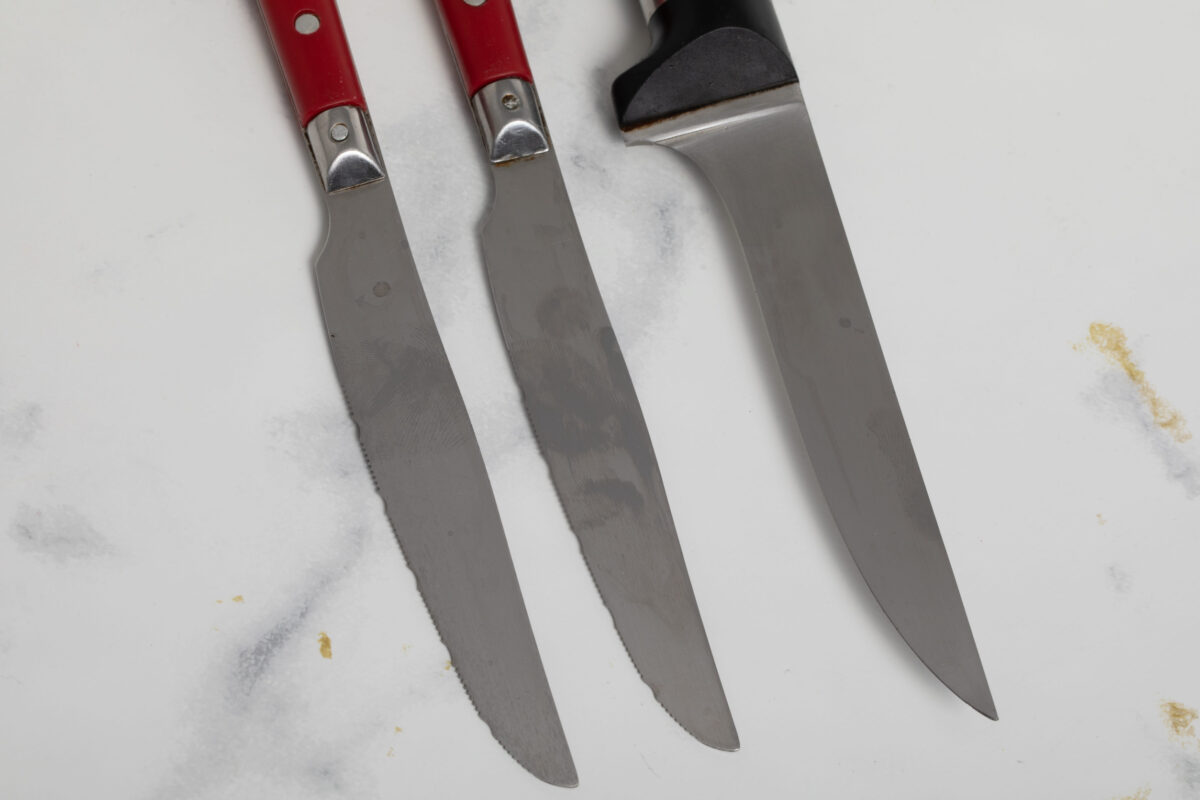
A good kitchen knife should never be treated like an ordinary spoon. Inside the dishwasher, knives can bang against plates, racks, and other utensils, potentially dulling the blade or chipping the edge. Wooden handles can also dry out and crack from the heat, turning a reliable knife into a rough, unsafe tool.
We should wash knives one at a time with the blade facing away from the hand. A quick rinse, mild soap, soft sponge, and immediate drying will protect the edge far better than a machine cycle. It also keeps the dishwasher safer, since nobody wants to reach into a rack and accidentally grab a hidden blade.
Crystal Glassware
Crystal looks beautiful because it catches light in a way ordinary glass does not. That same delicate quality makes it risky in the dishwasher. Heat, detergent, hard water, and crowded racks can leave crystal cloudy, spotted, chipped, or cracked.
We should wash the crystal by hand in warm water with gentle soap. Placing a soft towel in the sink can help prevent accidental bumps while cleaning. After washing, each piece should be dried with a lint-free cloth to keep it clear, polished, and ready for the next special occasion.
Insulated Travel Mugs
Insulated mugs may look like regular cups, but many rely on a sealed layer inside the walls to control temperature. When the dishwasher damages that seal, the mug may stop keeping coffee hot or water cold. Lids can also trap detergent, moisture, and odors in hard-to-rinse crevices.
We should check the care label before putting any travel mug in the dishwasher. If the label is missing or unclear, hand washing is the safer move. A bottle brush can clean the inside, and the lid should be washed separately so every gasket, slider, and groove gets proper attention.
Garlic Presses and Cheese Graters
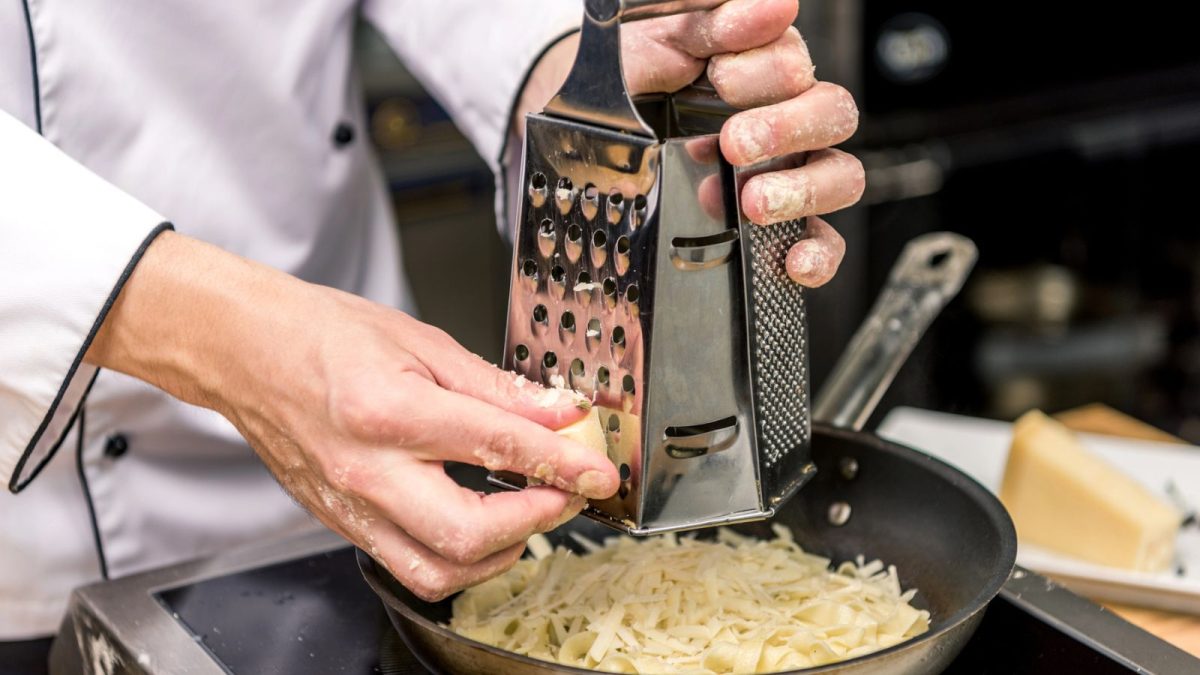
Small kitchen tools with tiny holes are troublemakers in the dishwasher. Garlic presses and cheese graters often trap sticky food in corners, hinges, and sharp openings. The dishwasher may rinse the outside while leaving old garlic or cheese stuck in places we cannot easily see.
We should rinse these tools right after use before the food dries and hardens. A small brush can push residue out of the holes and clean the sharp edges more effectively than a dishwasher spray. It takes a little more effort, but it prevents old food from sneaking into the next meal.
Conclusion
The dishwasher is a wonderful kitchen helper, but it is not a magic box for every item we own. Nonstick pans, cast iron, wood, sharp knives, copper, crystal, fine china, insulated mugs, and tiny-hole tools all need more careful handling. A quick hand wash can protect their finish, shape, performance, and lifespan.
We do not need to baby every dish in the kitchen, but we should protect the pieces that cost more, mean more, or are easily damaged. The smartest kitchen routine is simple: let the dishwasher handle the sturdy everyday items, and keep the delicate, coated, wooden, sharp, and sentimental pieces at the sink.