12 Hard Truths About Aging That Hit Long Before Anyone Feels Ready
Aging is often described as a blessing, and it is. We get more birthdays, more stories, more chances to laugh at the foolish things that once felt like emergencies. Still, getting older also brings truths many people only whisper about after they have lived long enough to understand them.
We are entering a world where aging is no longer a side topic. The U.S. population aged 65 and older reached 61.2 million in 2024, and the world is moving toward a future in which 1 in 6 people will be 60 or older by 2030. That means the hard truths about aging are not private problems. They are becoming everyday realities for families, workplaces, health systems, and communities.
Eyesight Can Shrink Your World
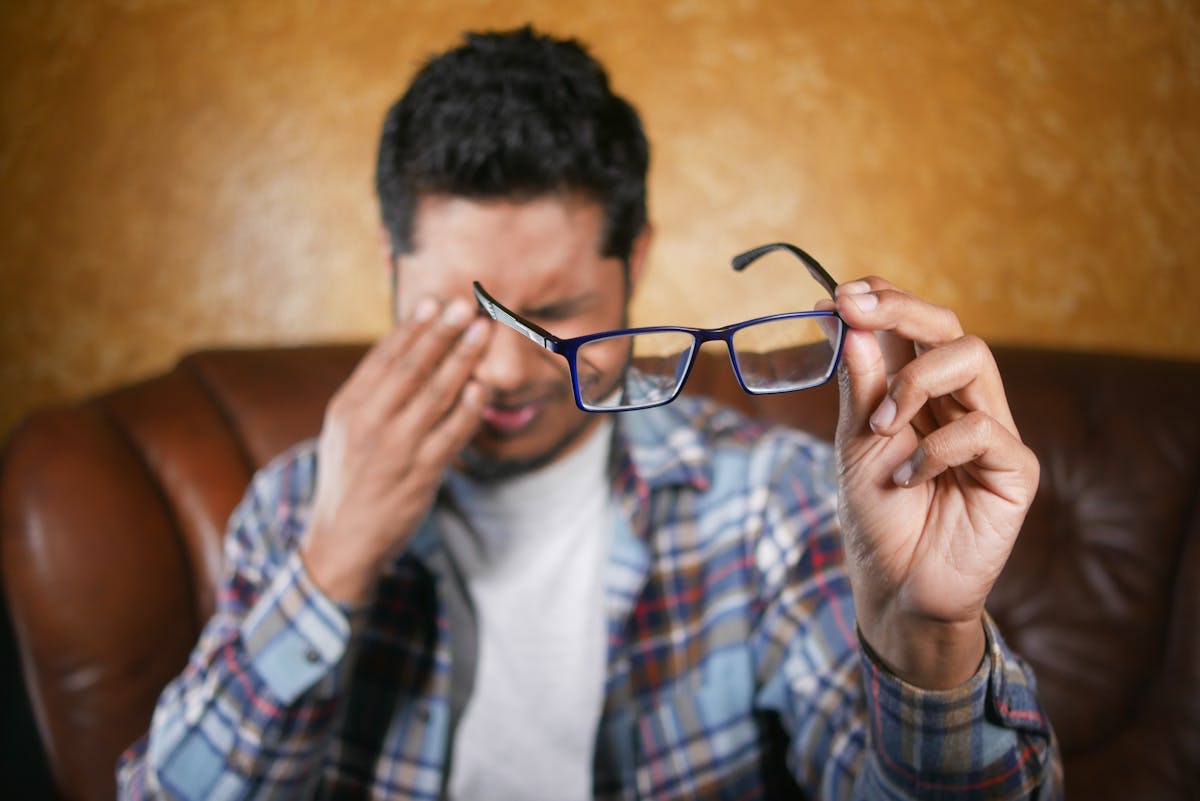
Aging eyes can turn ordinary tasks into daily frustrations. Reading food labels, threading a needle, driving at night, using a phone, painting a wall, or reading a restaurant menu can suddenly require light, glasses, patience, and sometimes help.
Vision changes also affect confidence. We may avoid certain hobbies, stop driving after dark, or feel embarrassed when we cannot read something quickly. The hard truth is that eyesight is not just about seeing clearly. It affects freedom, pride, safety, and how easy the world still feels to enter.
Your Body Starts Negotiating With You
One of the first difficult truths about getting older is that the body stops being silent. Knees speak. Backs complain. Shoulders remember injuries you forgot. A small movement can suddenly feel like a legal contract between your muscles, joints, and patience.
This does not mean life is over. It means maintenance becomes part of living. We stretch before gardening, choose shoes with better support, sleep in positions that protect the neck, and learn that “I’ll be fine” is not a medical plan.
Balance Becomes a Serious Matter
Younger people rarely think about balance unless they are skating, dancing, or climbing stairs too fast. Older adults think about it when stepping out of the shower, walking on wet pavement, or carrying groceries across a driveway.
Falls are one of the harshest realities of aging because they can take independence away in seconds. More than 1 in 4 older adults falls each year, and a single fall can double the risk of falling again. That is why grab bars, clear walkways, better lighting, and strength exercises are not signs of weakness. They are smart defenses.
Hearing Loss Can Make People Seem Rude When They Are Really Struggling
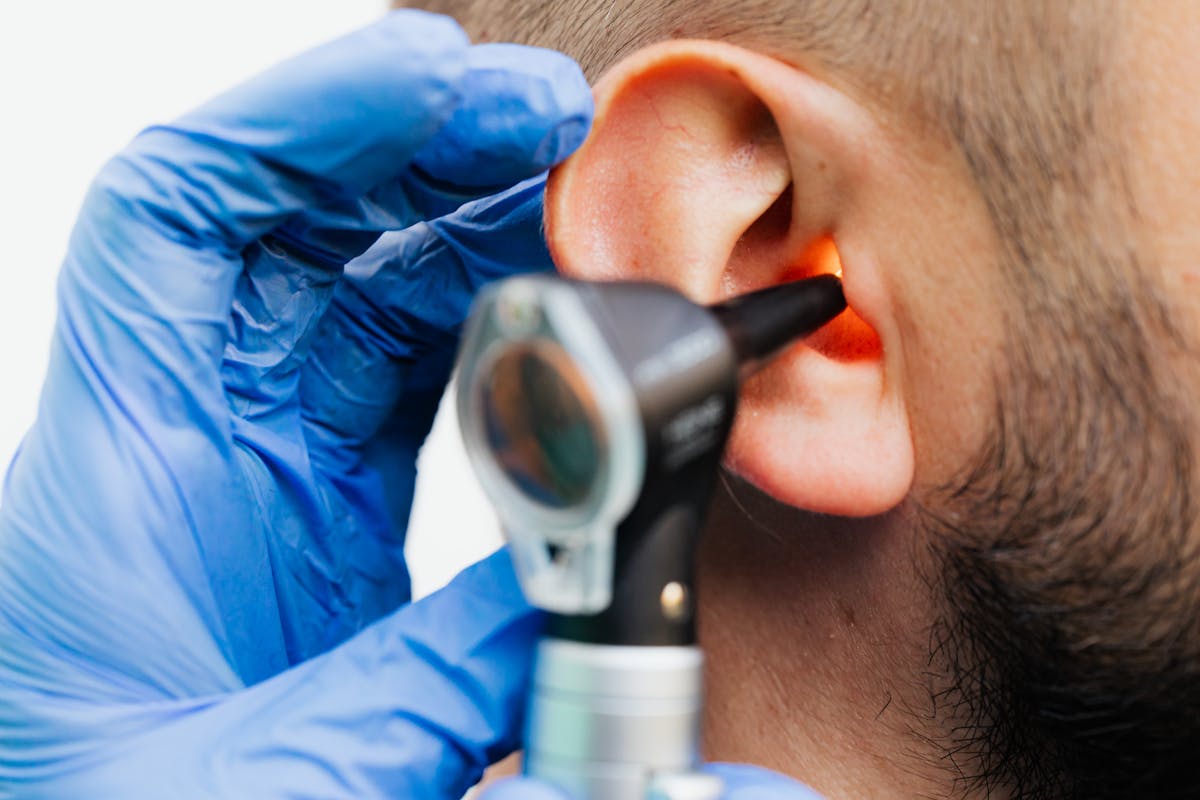
Hearing loss is not just about missing sound. It is missing punchlines, instructions, side comments, family gossip, and quiet emotional cues. People may think an older adult is ignoring them, confused, or uninterested when the real issue is that the room is too noisy or the speaker’s voice is too soft.
The World Health Organization notes that more than 25% of people aged 60 and older are affected by disabling hearing loss. This makes hearing care a quality-of-life issue, not a vanity issue. We should treat hearing aids, captions, and quieter conversation spaces as tools for connection.
Retirement Is Not Just a Money Question
Many people prepare financially for retirement but forget to prepare emotionally. A career gives structure, identity, social contact, status, and a reason to get dressed early. When that disappears, even a comfortable retirement can feel strangely empty.
A strong retirement plan includes purpose. We need activities, friendships, movement, service, learning, and routines that make the second act feel alive. Money matters, but meaning keeps retirement from becoming a long weekend with no map.
Ageism Can Hit Harder Than People Admit
One painful truth about aging is that experience does not always protect people from being dismissed. Older workers may be treated as slower, less flexible, less tech-savvy, or too expensive before they even get a chance to prove otherwise.
Age discrimination remains a serious workplace issue. AARP research found that 60% of workers age 50 and older reported experiencing subtle forms of age discrimination in both 2024 and 2025. That means aging workers often have to fight two battles at once. They must do the job and challenge the assumptions around their age.
Popular Culture Slowly Stops Talking to You
At some point, the music, slang, ads, jokes, celebrities, apps, and fashion trends feel like they are speaking to someone else. The world does not announce that it has moved on. It simply stops aiming its attention at you.
That can make older adults feel invisible, even when they are deeply observant and fully present. The truth is, older people are not becoming irrelevant. The truth is that many industries are poor at seeing them as whole people with taste, money, humor, desire, and influence.
Loneliness Can Become a Health Issue

Loneliness is no joke; in older age, it is not always dramatic. Sometimes it looks like eating dinner alone for the fifth night in a row. Sometimes it looks like having no one to call after a doctor’s visit. Sometimes it looks like silence that stretches too long after a spouse, sibling, or close friend dies.
Social isolation is tied to higher risks for heart disease, depression, and cognitive decline. That makes connection a real health need, not a soft luxury. We need communities where older adults are not simply checked on, but included.
Losing a Partner Can Rearrange Your Whole Life
The death of a spouse or long-term partner can remove far more than companionship. It can remove a driver, a cook, a calendar keeper, a medication reminder, a financial partner, a witness to your memories, and the person who knows how you take your tea.
This is one of the most brutal truths about aging because grief often arrives with logistics. Bills still come. Appointments still happen. Repairs still need attention. The older adult is not only mourning a person. They may also be rebuilding an entire operating system for daily life.
Independence Becomes More Complicated

Many older adults do not fear aging itself as much as they fear losing control. Driving, bathing, cooking, traveling, climbing stairs, managing medication, and living alone can become subjects of family debate.
The tension is real. Loved ones want safety. Older adults want dignity. The best approach is not to treat independence as an all-or-nothing proposition. We should build layers of support that protect choice while reducing avoidable risk.
The Fear of Falling Can Shrink a Life
A fall does not have to happen for fear to take over. An older adult may stop walking outside, visiting friends, using stairs, or traveling because the risk of falling feels too high.
This fear can quietly erode strength and confidence, potentially increasing the risk over time. Movement, balance training, home safety changes, and honest conversations with health professionals can help keep life from shrinking to a size it doesn’t need to be.
Memory Changes Can Be Humbling
Forgetting a name, misplacing keys, losing a word mid-sentence, or walking into a room and forgetting why can feel frightening. Many people worry that every small lapse means something terrible is about to begin.
Some forgetfulness can be a normal part of aging, but difficulty managing everyday tasks deserves medical attention. The emotional side matters too. The moment someone looks impatient, pitying, or annoyed, the older adult often becomes more anxious, worsening the situation.
Conclusion
The hard truths about aging are not meant to frighten us. They are meant to wake us up. We age better when we stop pretending that older adulthood is only about retirement discounts, grandparent jokes, or cheerful slogans on greeting cards.
Aging is physical, emotional, social, financial, and spiritual all at once. It asks for courage, planning, humor, humility, and community. If we are lucky, we will all grow old. The wiser question is whether we will build a world that lets people grow old without becoming invisible.