12 Pantry Foods You’re Throwing Away Too Soon
A lot of food waste starts with a tiny printed date and a little kitchen panic. We open the pantry, see a label from last year, and suddenly a perfectly useful ingredient starts looking suspicious. Before long, honey, rice, sugar, pasta, and canned goods end up in the trash even though many of them still have plenty of life left.
The truth is simple. Some pantry foods last much longer than most people think when stored properly. They need a cool, dry, sealed space, not a dramatic farewell, because the package date scared us. These twelve foods are often thrown away too soon, even though they can stay useful for months or years with the right care.
Honey

Honey is one of the biggest victims of unnecessary pantry tossing. People see it turn grainy, cloudy, or thick and assume it has gone bad. In most cases, it has only crystallized, a normal process that occurs when natural sugars form crystals.
We can bring honey back by placing the jar in warm water and stirring it gently. The real danger comes from moisture, crumbs, or dirty spoons getting into the jar. Keep honey sealed, use a clean spoon, and it can remain useful for a very long time.
White Rice
White rice is one of the best pantry staples to keep on hand because it lasts far longer than most people expect. It is cheap, filling, and easy to turn into meals when the fridge looks empty. Stored in an airtight container, white rice can stay useful for years.
The key difference is that white rice lasts longer than brown rice. Brown rice contains natural oils that can turn rancid over time, but white rice has the oily bran layer removed. If your rice smells normal, looks dry, and has no bugs or mold, it may not yet deserve the trash can.
Salt
Salt is one of the last things we should rush to throw away. Pure salt does not spoil like fresh food because it is a mineral. It has been used for centuries to preserve food, season meals, and draw moisture away from ingredients.
The biggest problem with salt is texture, not safety. It can clump if it absorbs moisture from the air, especially near the stove or sink. Store it in a tightly sealed container, keep it dry, and it can stay useful almost indefinitely.
Sugar
Granulated sugar often gets tossed because it hardens or clumps in the bag. That does not always mean it has spoiled. Dry sugar does not easily support bacterial growth, which helps it last for a very long time in the pantry.
Moisture is the real problem. Once water gets into the container, sugar can harden into blocks and attract pests. Keep it sealed tightly, use a dry scoop, and check for insects before using older sugar.
White Vinegar

White vinegar is another pantry item people replace too quickly. Its acidity makes it naturally stable, which is why it works so well in pickling, marinades, dressings, and sauces. It may sit in the cupboard for a long time and still remain useful.
Older vinegar may look a little cloudy or develop sediment, but that usually affects appearance more than safety. The flavor may soften with time, especially after opening. Keep the cap tight and store it away from heat and sunlight.
Cornstarch
Cornstarch does not look exciting, but it saves sauces, gravies, puddings, soups, and stir-fry glazes. Since it is a dry pantry ingredient, it can last a long time when stored correctly. Many people throw it out too early simply because the box looks old.
Cornstarch needs protection from moisture and pests. If it gets damp, it can clump or become unsafe. After opening, move it into an airtight container, use a dry spoon, and keep it away from steam.
Dried Beans
Dried beans are often tossed because they have been sitting in the pantry for a long time. That can be wasteful because dried beans are built for storage. They are affordable, filling, and useful in soups, chili, stews, salads, dips, and simple budget meals.
Older beans may take longer to soften when cooked. Some may stay firm even after soaking, which can be annoying, but it does not always mean they are spoiled. If they are dry, clean, pest-free, and odor-free, they may still be worth using.
Dry Pasta
Dry pasta is one of the easiest foods to keep for a long time. It has very little moisture, which helps it last much longer than fresh pasta. Spaghetti, penne, macaroni, shells, and lasagna sheets can all stay useful when stored in a dry cabinet.
The main issue is quality. Old pasta can become brittle, stale, or less tender, especially if the package has been opened. Store it in a sealed container to keep out pantry bugs and humidity.
Instant Coffee
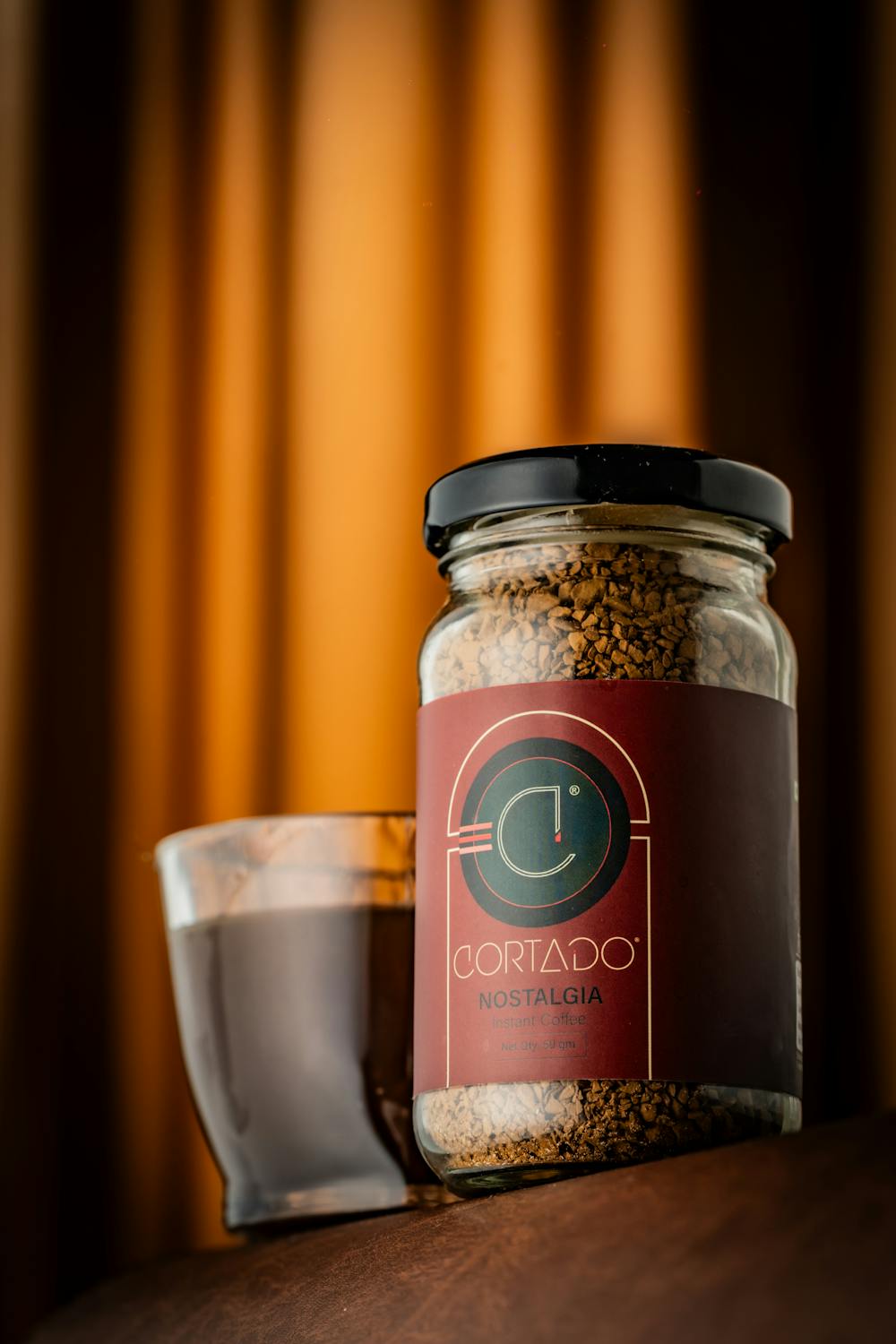
Instant coffee often gets thrown out when the flavor fades, but that does not always mean it is unsafe. Since it is dried for shelf stability, it lasts longer than regular ground coffee. It is useful for quick drinks, baking, chocolate desserts, and emergency pantry supplies.
Moisture ruins instant coffee faster than time alone. If steam or water enters the jar, the granules may clump, smell musty, or develop mold. Use a dry spoon, close the lid quickly, and keep it away from the kettle.
Cocoa Powder
Cocoa powder can look old before it becomes useless. Many people toss it because the container has passed its date, but dry cocoa can remain usable for a long time. It still works in brownies, cakes, hot chocolate, oatmeal, smoothies, and sauces.
The flavor may fade as cocoa ages. That means your dessert may taste less rich, not that the cocoa is automatically unsafe. If it smells normal, looks dry, and has no pests or mold, it may still belong in your baking shelf.
Pure Vanilla Extract
Pure vanilla extract lasts longer than many people realize because it contains alcohol. That alcohol helps preserve the extract and keep it stable. It is useful in cookies, cakes, pancakes, custards, whipped cream, and sweet sauces.
Vanilla may change slightly in strength or aroma over time. That does not mean it belongs in the trash. Keep the bottle tightly closed, store it away from heat and sunlight, and use your nose before deciding to replace it.
Canned Foods
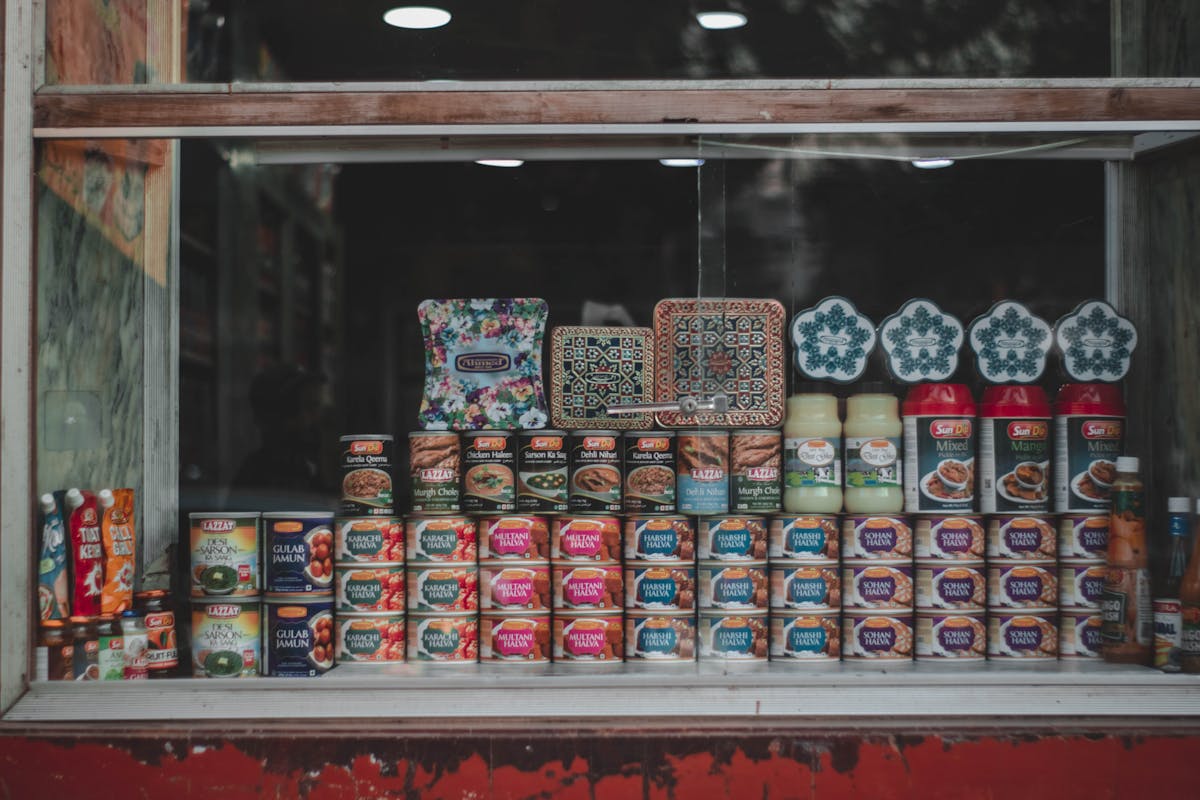
Canned foods are not immortal, but many people throw them away too quickly. Beans, vegetables, fish, soups, meats, tomatoes, and fruits can last for years when the can stays sealed and undamaged. They are especially useful when we need quick meals without having to do extra shopping.
The can itself gives the biggest warning signs. Never use cans that are bulging, leaking, badly rusted, cracked, or deeply dented around the seams. If the can looks clean, solid, and properly sealed, the food inside may still be usable even after the printed quality date.
Conclusion
Pantry dates can help us rotate food, but they should not make us waste good ingredients without checking them first. Honey, white rice, salt, sugar, vinegar, cornstarch, dried beans, pasta, instant coffee, cocoa powder, vanilla extract, and canned foods often last much longer than people assume.
The smarter move is to inspect before tossing. Look for moisture, mold, pests, strange smells, damaged packaging, bulging cans, or leaking containers. When pantry foods are sealed, dry, cool, and clean, they can save money, reduce waste, and rescue dinner long after we thought they were done.