Trader Joe’s Is Changing How Americans Shop for Groceries. Here’s Why More Families in California Are Making the Switch.
Trader Joe’s has become more than just a grocery store in California. It has turned into a habit, a weekly ritual, and for many households, a full shift in how they think about everyday food shopping. In a state known for some of the highest grocery prices in the country, families are rethinking where their money goes, and Trader Joe’s is increasingly becoming the answer.
What makes this shift so notable is not just the popularity of the brand, but how quickly it is changing consumer behavior. Across California cities like Los Angeles, San Diego, San Jose, Sacramento, and the Bay Area, more families are choosing Trader Joe’s over traditional supermarket chains for weekly essentials, frozen meals, snacks, and even fresh produce.
This is not a temporary trend. It reflects a deeper transformation in how Americans approach grocery shopping.
A Grocery Chain Built for Simplicity and Speed
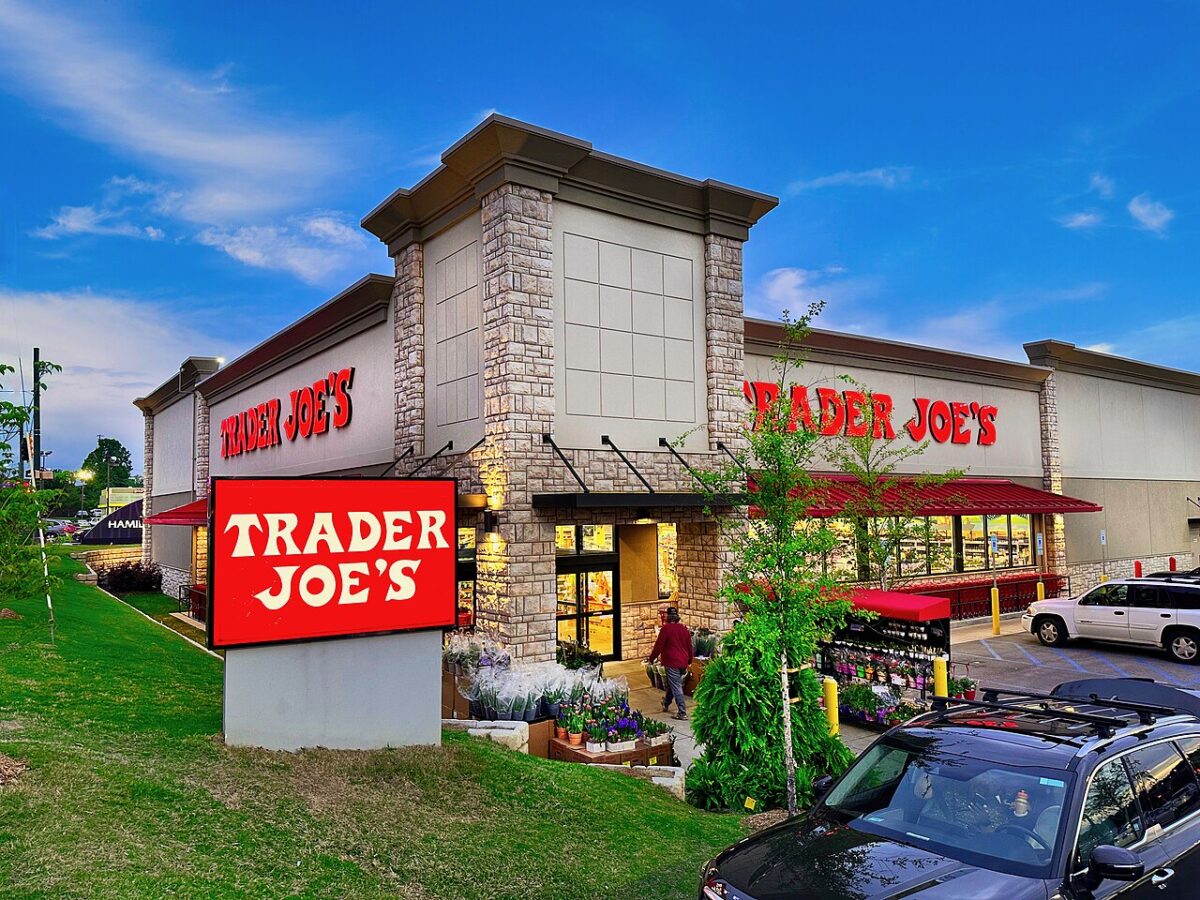
Trader Joe’s operates on a different model than most supermarket chains in the United States. Instead of offering thousands of brand-name products across massive aisles, it focuses on a smaller, carefully curated selection of private-label items designed to be affordable, consistent, and easy to shop.
This structure has become especially appealing in California, where grocery shopping is often shaped by high costs, busy schedules, and long commutes. In that environment, efficiency matters just as much as price.
Rather than overwhelming shoppers with endless choices, Trader Joe’s reduces complexity. That simplicity has become one of its strongest advantages.
Why California Families Are Making the Switch
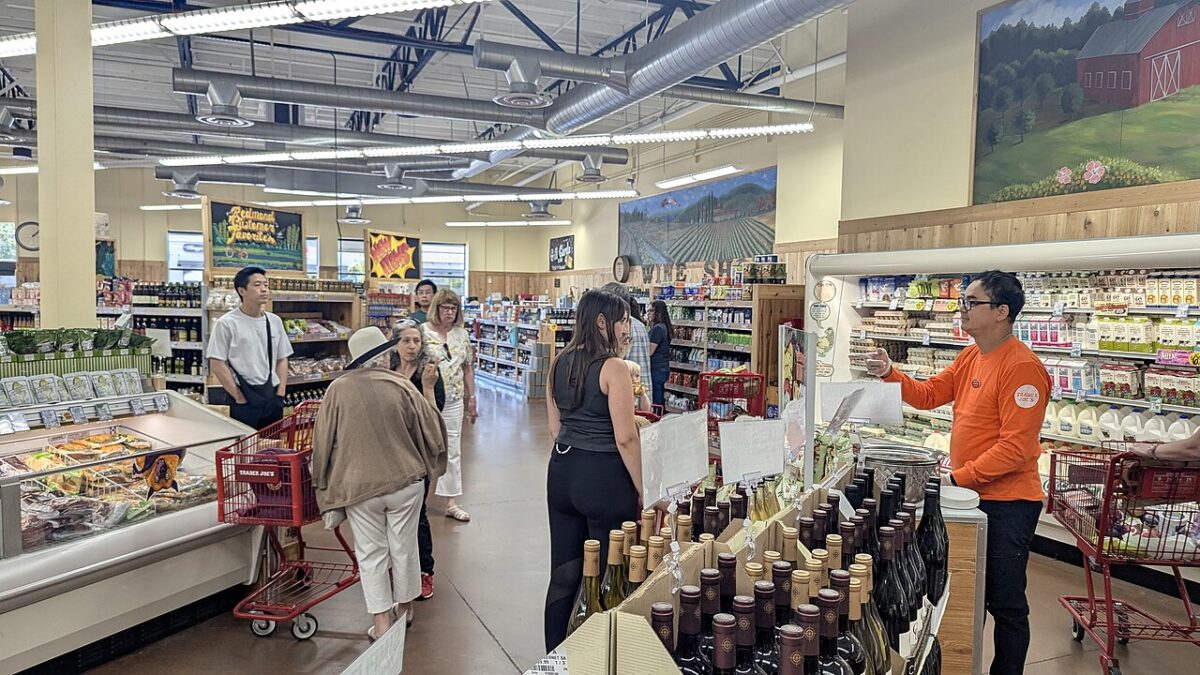
California’s grocery market is defined by high living costs, densely populated urban centers, and intense competition among supermarket chains. In this environment, shoppers are not just looking for variety they are actively looking for better value and less stress.
Trader Joe’s has gained momentum because it fits those needs. Families often describe it as more predictable, more manageable, and less time-consuming than traditional grocery stores.
Many shoppers also feel that their total grocery spending is easier to control, even without extreme discounting. The pricing structure, combined with private-label products, creates a sense of affordability that resonates strongly in a high-cost state like California.
The Psychology Behind Simpler Grocery Shopping

One of the most important reasons Trader Joe’s continues to grow is psychological. Traditional supermarkets rely on choice overload, offering multiple brands for the same products, large promotional displays, and expansive layouts designed to maximize browsing time.
Trader Joe’s takes the opposite approach. Its smaller stores and curated inventory reduce decision fatigue and make shopping feel more intentional and less overwhelming.
For busy families balancing work, school, and commuting, that difference is significant. Grocery shopping becomes faster, more focused, and easier to repeat each week without frustration.
Inflation Pressure and Changing Shopping Habits
Rising food prices have played a major role in reshaping grocery behavior across the United States, and California has felt that pressure strongly. Households are becoming more selective, often changing where they shop based on perceived value and overall spending control.
Trader Joe’s has benefited from this shift because of its strong reliance on private-label products. By focusing on its own brands instead of national labels, the company reduces costs associated with branding and distribution layers.
While prices vary by product and location, many shoppers report that their weekly grocery bill feels more manageable compared to traditional supermarket chains. In a high-cost state, that perception is powerful.
Private-Label Products Driving Loyalty
Trader Joe’s has built its identity around private-label products, and that strategy is central to its success. Unlike most grocery stores that rely heavily on national brands, Trader Joe’s develops its own product lines, which creates a consistent and recognizable shopping experience.
This has led to unusually strong customer loyalty. Shoppers often return not just for the store itself, but for specific items they associate with it.
Frozen meals, snack foods, seasonal items, specialty dips, and ready-to-cook dishes have all become staples in many households. The sense of discovery finding something new or limited also keeps customers engaged and returning regularly.
California as a Core Growth Market
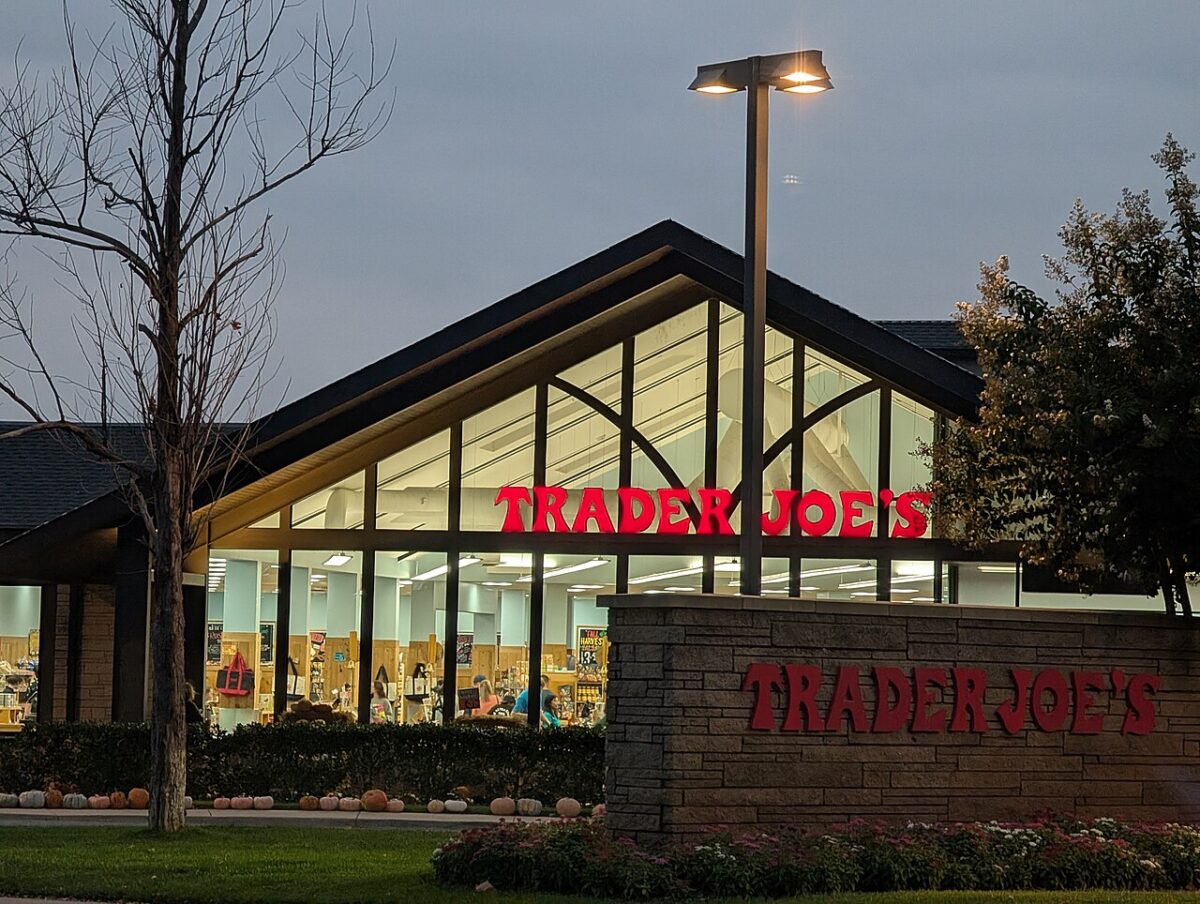
California plays a major role in Trader Joe’s national footprint. With hundreds of locations across the state, it remains one of the brand’s strongest and most important markets.
Urban density allows multiple stores to operate in close proximity, especially in Los Angeles and the Bay Area, where different neighborhoods each support their own local Trader Joe’s.
At the same time, suburban expansion in areas such as Orange County, the Inland Empire, and Sacramento continues to fuel demand as new residential communities emerge and seek convenient grocery options nearby.
The result is a retail network that continues to expand alongside population growth.
Redefining the Grocery Experience
Trader Joe’s has built a grocery experience that feels different from traditional supermarkets. Its store layouts are compact, its product selection is intentionally limited, and its branding is consistent and recognizable across locations.
There is also a strong emphasis on seasonal and rotating products, which encourages repeat visits and creates a sense of novelty. Shoppers often feel like they are discovering something new each time they visit.
This combination of simplicity and surprise helps distinguish Trader Joe’s from larger competitors that rely more heavily on scale and volume.
A Cultural Shift in Grocery Shopping
What is happening in California reflects a broader cultural shift in how Americans view grocery shopping. It is no longer just a routine task. It is now closely tied to lifestyle choices, budgeting habits, and time management.
For many families, especially younger households and urban professionals, the goal is not to compare dozens of options but to find a reliable place that delivers consistency and convenience.
Trader Joe’s fits that expectation. It removes friction from the process and replaces it with predictability and familiarity.
How Competitors Are Responding
The rise of Trader Joe’s has influenced the broader grocery industry. Competing supermarket chains in California have responded by expanding their private-label offerings, improving prepared-food sections, and redesigning stores to make them more efficient and customer-friendly.
Some have also increased focus on pricing strategies and digital shopping tools in an effort to match shifting consumer expectations.
Even without aggressive expansion tactics, Trader Joe’s has managed to influence how the entire grocery sector operates.
Why the Model Continues to Work
Trader Joe’s continues to succeed because its model aligns closely with modern consumer priorities. Shoppers today want less complexity, not more. They want faster trips, clearer pricing, and dependable product quality without having to navigate overwhelming choices.
The company has stayed consistent in its approach rather than constantly reinventing itself. That stability has become one of its strongest competitive advantages.
Instead of chasing every retail trend, it has refined a system that already works.
The Future of Grocery Shopping in California
Grocery shopping in California will continue to evolve as costs, demographics, and consumer expectations shift. But one trend is already clear: more families are moving toward simpler, more efficient shopping experiences.
Trader Joe’s sits at the center of that movement. Its growth reflects not just business expansion but a broader shift in how people want to shop and what they value in a grocery store.
For many households, the switch is already complete. Trader Joe’s is no longer an occasional stop. It has become part of the weekly routine, shaping how groceries are bought, meals are planned, and time is managed.
That quiet shift may be one of the most significant changes in American grocery culture today.