12 Sneaky Tricks Companies Use to Drain Your Wallet
You walk into a store for toothpaste and somehow leave with candles, snacks, socks, and a “limited-time” deal you barely remember choosing. Online shopping is even worse. One minute you are checking a price. Five minutes later, a countdown timer is yelling at you, a pop-up is begging for your email, and your cart total has grown as it got watered after midnight.
That is not always an accident. Companies know shoppers are tired, distracted, rushed, and emotional. They also know Americans are hunting for deals in a world where groceries, gas, rent, and subscriptions keep nibbling at every paycheck. The trick is making you feel like you are saving money while quietly pushing you to spend more of it.
Charm pricing makes costs feel smaller

There is a reason prices often end in 99. A product at 19.99 can feel much cheaper than 20 dollars, even though the difference is only one cent. Your brain sees the first number and relaxes a little.
This trick is old, but it still works because shoppers make fast judgments. A cart full of 9.99, 14.99, and 29.99 items can feel lighter than it really is. The final total tells the truth later. By then, the emotional part of the purchase has already happened.
Social proof makes strangers sell for the company
“Trending now” sounds exciting. “1,200 people bought this today” sounds convincing. “Most popular choice” sounds safe. These labels make shoppers feel like other people have already done the thinking.
Humans are social creatures, so this tactic works beautifully. If thousands of people bought something, it must be good, right? Not always. Popular does not mean necessary. It does not mean high quality. It only means the product has momentum, and companies know momentum can feel like trust.
Fake discounts make bad deals look irresistible
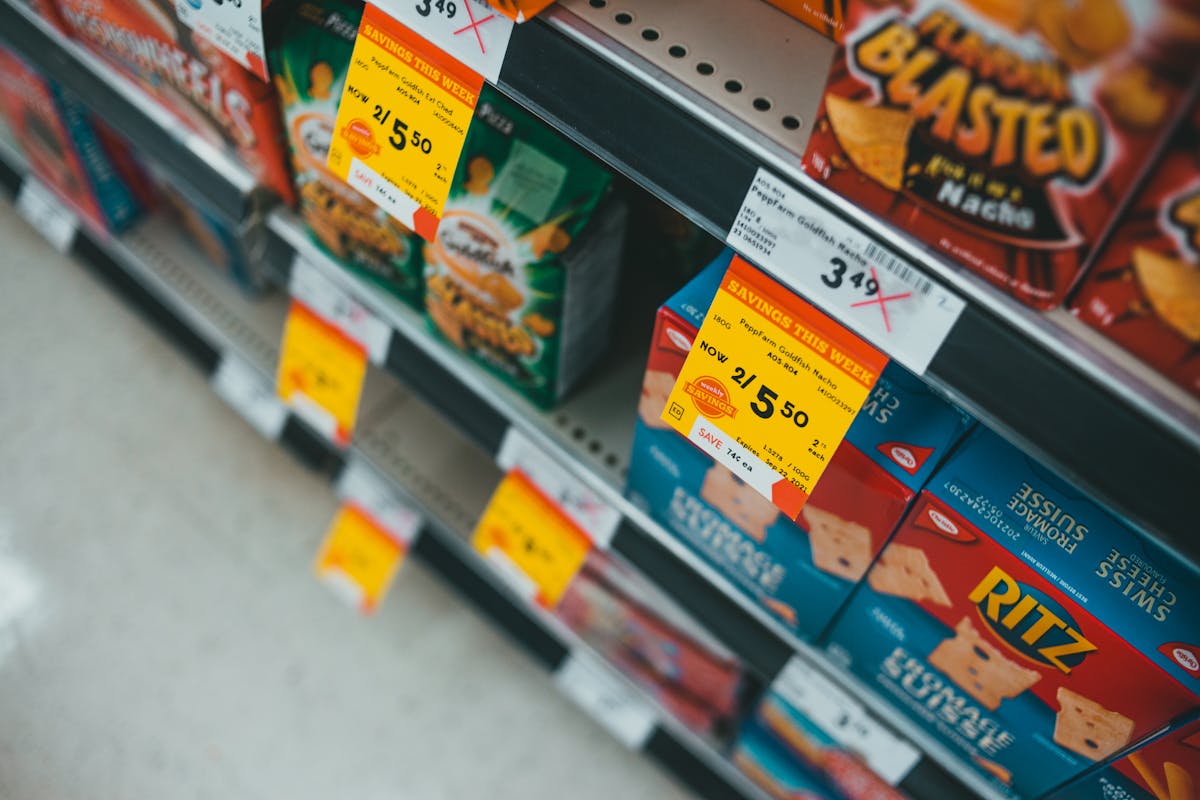
A crossed-out price has a strange power. It makes your brain feel like you caught the store slipping. The old price sits there as proof that you are winning, even if the “sale” price isn’t that special.
This works because shoppers compare what they see. A 60-dollar item feels cheaper when it sits beside a fake-looking 100-dollar original price. The danger is that you stop asking whether the item is worth 60 dollars. You only focus on the money you think you saved.
Free trials turn forgetfulness into profit
Free sounds harmless until the reminder never comes. Streaming apps, fitness platforms, software tools, and subscription boxes often use free trials to get inside your routine before the bill arrives. By then, canceling feels like one more annoying task.
The trick is simple. Companies know people are busy. You sign up because it costs nothing today, then forget the renewal date after work, errands, kids, bills, and life gets in the way. One forgotten trial may not ruin you, but ten small charges can quietly chew through a budget.
Countdown timers create panic shopping

Nothing makes a shopper move faster than a ticking clock. “Only 12 minutes left” can turn a normal purchase into a tiny emergency. Suddenly, you are not comparing prices. You are racing against a timer that may or may not have any meaning.
This tactic works because people hate missing out. The idea of losing a deal can feel worse than the risk of buying something unnecessary. That pressure is especially powerful online, where one flashing banner can make a couch, flight, or skincare bundle feel like it is about to vanish forever.
Low-stock warnings make ordinary products feel rare
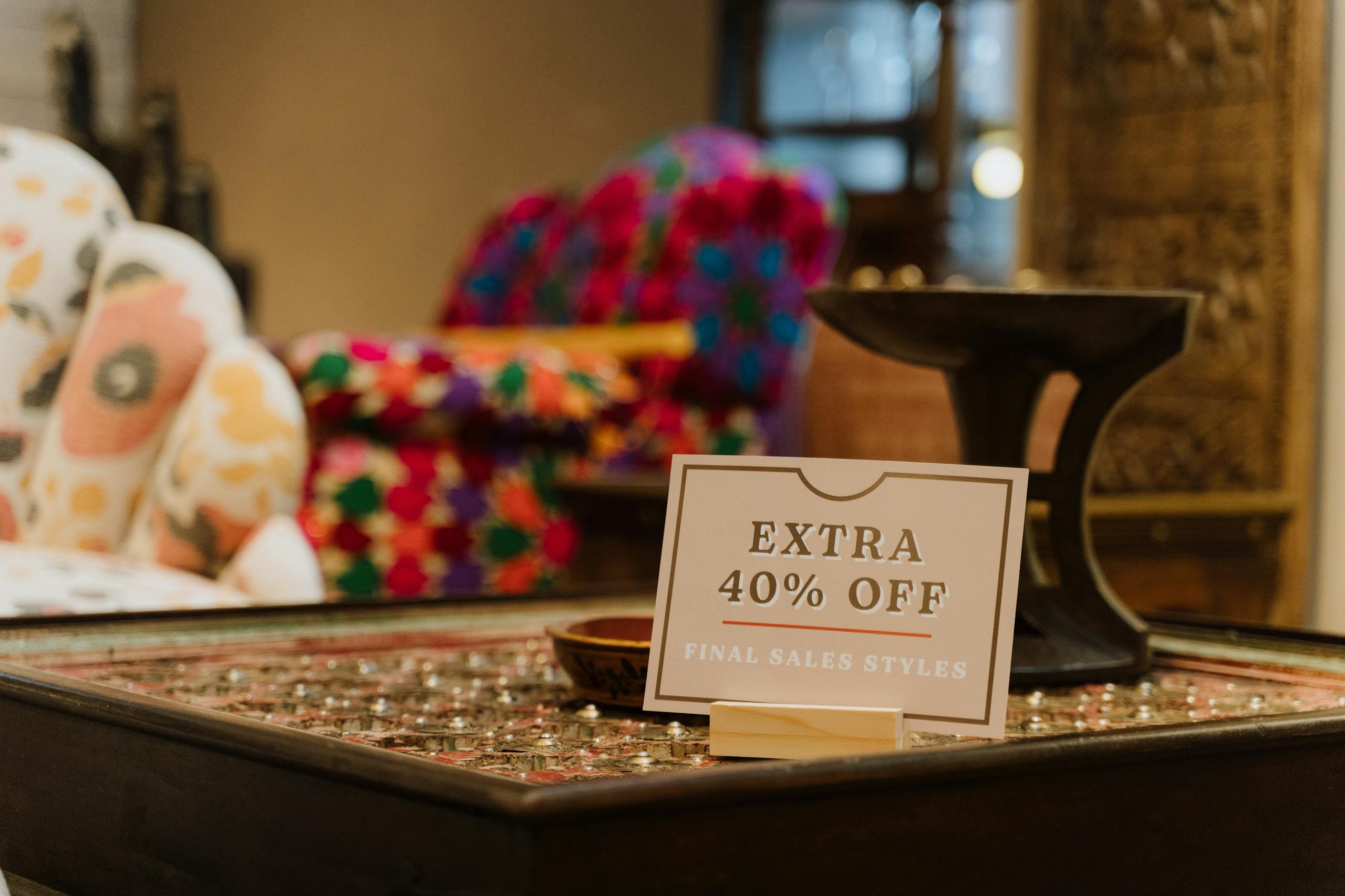
“Only three left” can make even a boring item feel valuable. A plain sweater becomes a prize. A kitchen gadget becomes a now-or-never decision. The product did not change, but your sense of urgency did.
Scarcity makes people act faster because it turns waiting into a possible loss. You start imagining someone else grabbing the last one while you hesitate. That little fear can push you to buy before checking reviews, measurements, shipping costs, or whether you wanted the thing in the first place.
Check out the add ons at the weakest moment
The checkout page is where shoppers are most vulnerable. You already decided to buy. Your card is out. Your brain wants to finish. That is when the add-ons appear.
Warranty protection. Gift wrap. Expedited shipping. Donation prompts. “Customers also bought” suggestions. These extras can be useful, but they are timed perfectly. The company knows you are less patient at the finish line. One extra click can add money to the order before your common sense catches up.
Free shipping minimums make carts grow fast
Free shipping sounds like a gift, but it often works like bait. You need 12 more dollars to avoid a 6-dollar shipping fee, so you add a 15-dollar item you did not plan to buy. Somehow, spending more starts feeling responsible.
Retailers know shoppers hate paying for delivery. A shipping fee feels like wasted money, while an extra product feels like value. That is how a small order turns into a bigger one. The win is not always yours. Sometimes the store just convinces you to buy filler.
Loyalty programs make spending feel like progress
Points, stars, badges, and rewards can make shopping feel like a game. You are not just buying coffee, makeup, groceries, or fast food. You are “earning” something. That tiny reward system makes repeat spending feel smarter than it really is.
The danger is that loyalty programs shift your focus from price to progress. You may pass a cheaper option because you want points at your usual store. You may buy sooner because a reward is close. The company gets your money, your data, and your habits. You get a free item after spending far more than the item costs.
Bundle deals hide what you do not need
Bundles feel generous. Buy the laptop with the case, warranty, mouse, cleaner, and mystery accessory. Buy the skincare set with five products when you only need one. Buy the meal combo because it costs “just a little more.”
The problem is that bundles blur the real value of each item. You stop judging the pieces separately. A good bundle can save money, but a bad one turns extras into clutter. Companies love bundles because they make the total feel smoother, even when half the package was never on your list.
Complicated cancellation keeps people trapped
Signing up is usually easy. Canceling can feel like trying to leave a maze designed by someone with trust issues. You may need to click through multiple screens, reject several offers, answer questions, or search for a hidden button.
This is one of the most frustrating tricks because it profits from exhaustion. The company does not need you to love the service forever. It only needs you to give up today. A subscription you meant to cancel can survive for months simply because the exit door is harder to find than the entrance.
Personalized ads follow your weak spots

You look at one pair of shoes, and suddenly the internet acts like your personal salesperson. The shoes appear on news sites, social feeds, recipe pages, and random apps. The message is clear. You thought you walked away, but the store followed you home.
Personalized ads work because repetition wears people down. The product becomes familiar. Familiar starts to feel desirable. Add a discount code or “almost gone” message, and the temptation gets stronger. It is not magic. It is tracking, timing, and pressure dressed up as convenience.
Key takeaway
Companies do not need to force anyone to buy. They just need to make spending feel urgent, easy, rewarding, or harmless. A timer creates pressure. A fake discount creates excitement. A free trial creates comfort. A hard cancellation page creates a delay.
The best defense is a slower checkout. Pause before buying. Check the real price. Search for the same item elsewhere. Ask whether the deal solves a problem or creates one. The smartest shoppers are not the ones who never spend. They are the ones who know when they are being nudged.