12 Subscription Services People Forget They Are Still Paying For
Subscriptions start small, a few dollars or a free trial here and there, covering convenience, entertainment, storage, fitness, food, or work. Suddenly, your bank statement features a lineup of services you barely remember signing up for.
The real issue is the slow drip of charges for services you no longer use. Many people do not cancel because the amount feels too small or because they think they might return someday.
That “someday” can be costly. Here are subscriptions people commonly overlook long after they stop using them.
Streaming Services No One Opens Anymore
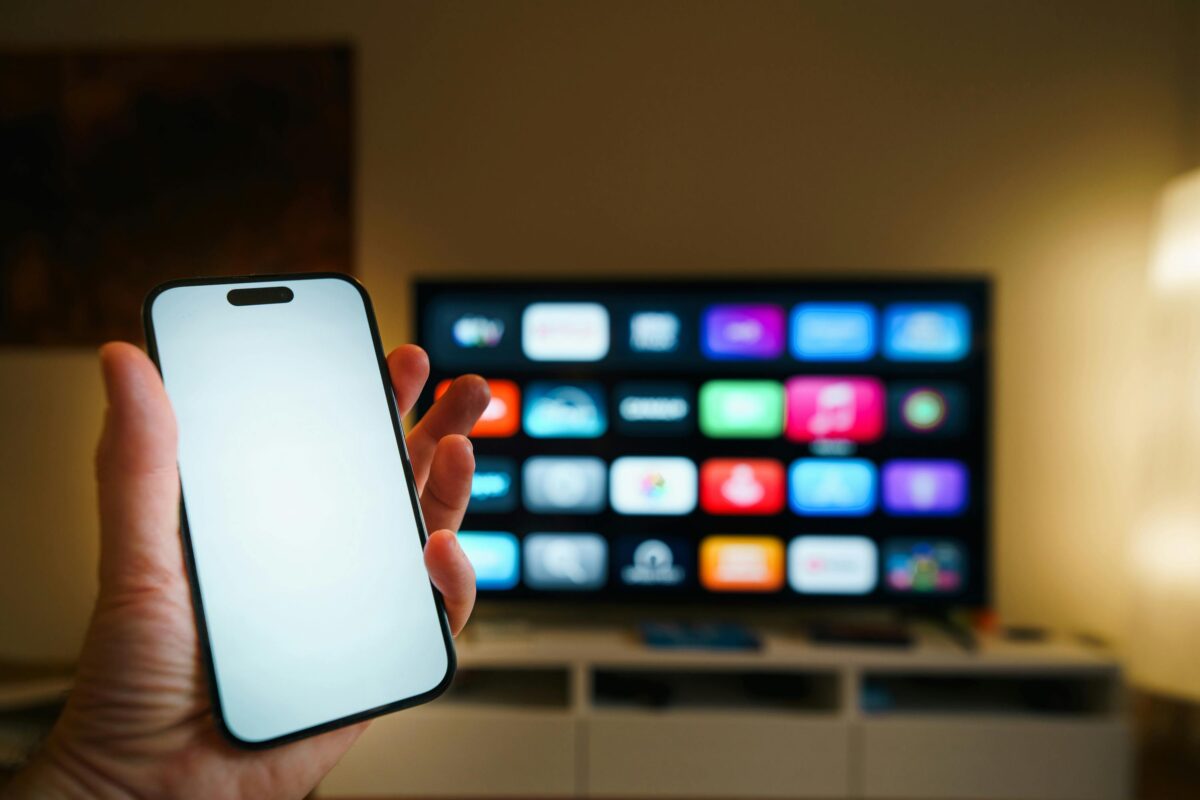
Streaming platforms are often the first subscriptions people sign up for and the last they review. One service had a show you liked, another a talked-about movie, while a third started as a free trial that became a monthly charge. Soon, your entertainment is a small army of apps quietly sitting on your card.
Regret comes from watching only one or two regularly. Some people keep paying out of fear of missing out, even if they scroll more than stream. Check monthly to see which services deserve to stay and which are just costly icons.
Music Apps With Forgotten Premium Plans
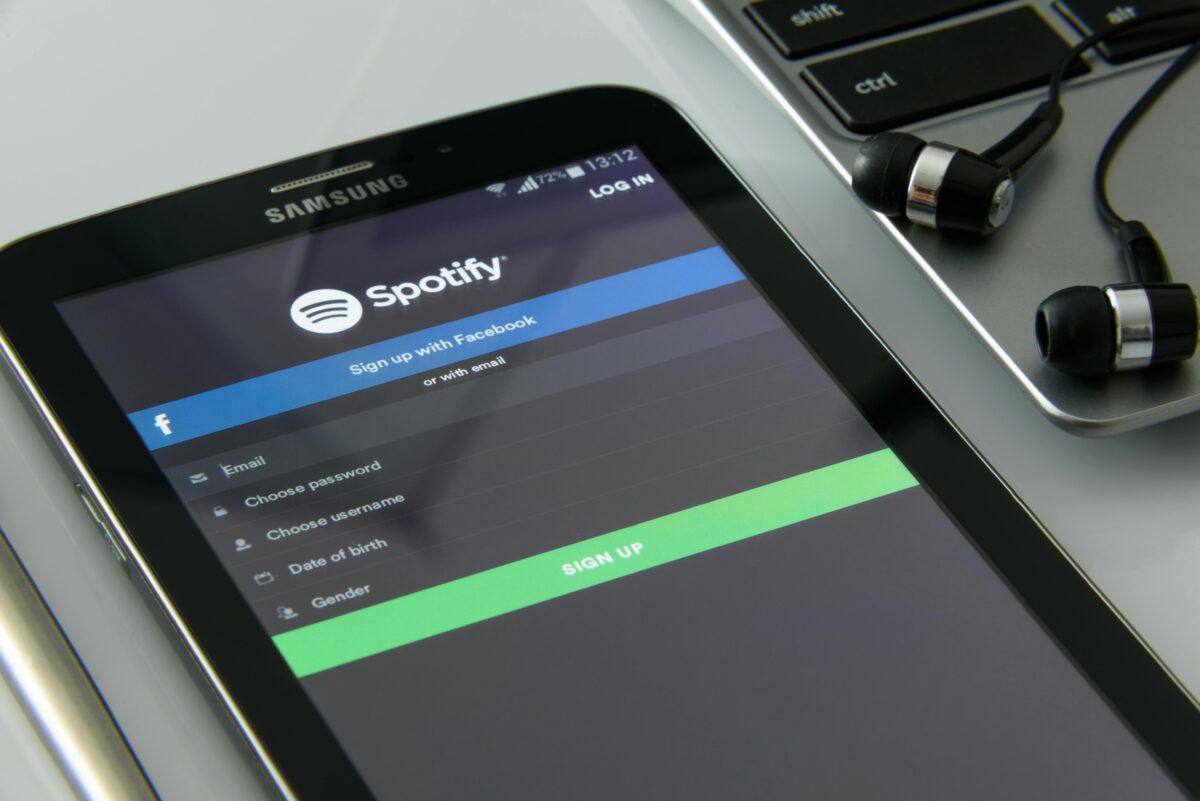
Music subscriptions are easy to justify because music is part of daily life, driving, cleaning, working, exercising, or relaxing. Problems arise when you have multiple plans or keep paying for features you rarely use.
Many forget that family, student, and bundled plans can change over time. A service that once felt cheap may now cost more than expected. If you use a single app, extra music subscriptions are likely just background noise for your bank account.
Cloud Storage Upgrades

Cloud storage sounds responsible. It protects valuable files, so upgrades happen quickly when a device says space is full. Yet, many keep paying without checking what’s actually stored.
Old screenshots, duplicate and blurry media, outdated files, and forgotten backups can fill space fast. Instead of paying forever, it may be better to clean up, keep only essential items, or choose a single storage service. Digital clutter may be invisible, but the monthly charge is very real.
Fitness Apps After Motivation Fades
Fitness apps often arrive during a burst of hope. Someone wants to lose weight, build strength, stretch, walk daily, or simply start fresh. The app feels like a new beginning, bundling meal plans, workout videos, progress tracking, and a free trial.
Then life gets busy, workouts stop, and the app keeps billing. Many forget to cancel out of guilt. If it isn’t being used, canceling is the smarter move; keeping it adds only another charge.
Meal Kit Services Used Once or Twice
Meal kits help busy households by providing fresh ingredients, measured portions, and easy recipes. Some people sign up, use the service once or twice, then forget to pause or cancel future deliveries.
Costs add up when meals arrive during weeks nobody cooks. Food goes unused, boxes pile up, and the subscription starts to feel more like pressure than convenience. Meal kits work best with active planning, not as background noise.
Grocery Delivery Memberships
Grocery delivery memberships can feel like a lifesaver when life gets hectic. They offer convenience, fast ordering, and fewer trips to the store. Still, many people forget they are paying for delivery perks even after returning to in-person shopping.
These memberships feel justified since they might be useful later. If you rarely order, the subscription may not be worth it. True convenience should save time, not quietly drain money.
News and Magazine Subscriptions

Many people subscribe to news sites, digital magazines, or premium content during a major event, special offer, or out of curiosity. The first month is useful. Then the habit fades, emails go unread, and the subscription quietly keeps renewing.
Introductory prices often revert to higher prices after promotions end. If you no longer read the content, the subscription only charges you for good intentions.
Meditation and Wellness Apps
Meditation apps can be genuinely helpful, especially for stress, sleep, breathing, and daily calm. The problem is that many people subscribe during a stressful season, use the app for a few nights, and then forget about it once life feels more normal. The app stays peaceful, but billing does not pause.
Wellness subscriptions are easy to ignore because they feel positive. People may hesitate to cancel because the service represents self-care. But unused self-care is not self-care. If you are not opening the app, the healthiest choice may be to cancel it and choose a free habit you will actually practice. To consoles, online play, cloud saves, bonus content, or game libraries. People may sign up to play one game with friends, then keep paying long after the group chat goes quiet. The charge may be small enough to miss, but steady enough to matter.
Gaming Subscriptions
Gaming subscriptions can go unnoticed because they are often tied to consoles, online play, cloud saves, bonus content, or game libraries. People may sign up to play one game with friends, then keep paying long after the group chat goes quiet. The charge may be small enough to miss, but steady enough to matter.
This is especially common in households with children, teens, or multiple devices. Old accounts, add-ons, passes, and premium memberships can stack up fast. If nobody is actively using the service, it may be time to cancel before the next renewal sneaks up on you.
Software Tools From Old Projects
Software subscriptions are among the easiest to forget because they often start with a specific task. A person signs up to edit a video, design a flyer, manage invoices, write a resume, remove a background, schedule posts, or convert files. The project ends, but the subscription keeps going.
These tools can be useful when they are part of regular work. They become wasteful when they remain attached to a single completed project. Checking your app store subscriptions, email receipts, and card statements can reveal software you no longer need but still fund every month.
Dating Apps After People Stop Swiping
Dating app subscriptions often begin with optimism. Premium features promise more visibility, better matches, unlimited likes, or the ability to see who is interested. For a while, it feels exciting and hopeful. Then people lose interest, meet someone, take a break, or delete the app without canceling the paid plan.
That last part matters. Deleting the app does not always cancel the subscription. Many people continue paying because they assume the charge stopped when the icon disappeared from their phone. If your dating life has moved on, your payment settings should, too.
Subscription Boxes That Lost Their Excitement
Subscription boxes are fun because they feel like monthly gifts. Beauty products, snacks, coffee, books, pet toys, clothes, candles, grooming items, and hobby supplies can all arrive at the door with a little surprise factor. The problem is that the excitement can fade faster than the billing cycle.
After a few months, boxes may pile up with items you did not choose and do not need. What once felt like a treat can become clutter in prettier packaging. If the box no longer feels useful, exciting, or worth the price, it may be time to stop paying for surprise and start choosing what you actually want.
Conclusion
Subscriptions are made to be easy to start and forget, blending into daily life until they keep charging long after any need is gone.
The best way to take control is to review your bank statement like a detective.l monthly charges, annual renewals, app store payments, trial conversions, and services you no longer use. Once you find subscriptions you no longer need, cancel them right away. Canceling one forgotten subscription may not change your whole financial life, but canceling several can free up money you were losing without noticing.n should prove its value every month. If it doesn’t entertain, help, feed, organize, teach, or ease life, let it go.