13 Children Reportedly Ate Candy Laced With Hallucinogenic Mushrooms at New Jersey Summer Camp and Were Found “Looking Like Zombies” as Deeply Concerning Questions Emerge.
A summer camp in New Jersey became the center of a disturbing investigation after 13 children reportedly became sick after eating candy suspected of being infused with hallucinogenic mushrooms. What began as an ordinary day of activities quickly turned into a medical emergency, leaving parents shaken and authorities searching for answers.
The children, reportedly between the ages of 10 and 13, were attending a YMCA summer camp in East Orange when the incident unfolded. Parents described a frightening scene, with some children appearing confused, unusually tired and disconnected from their surroundings. One parent said the children looked “like zombies,” a description that captured the fear families felt as they watched their children struggle after eating what appeared to be ordinary candy.
Authorities have not confirmed the exact ingredients inside the candy, and laboratory testing is expected to determine what substances were involved. However, investigators are treating the incident as a suspected case involving mushroom-laced edibles, raising serious questions about how such products reached children at a supervised camp.
A normal camp day turns into a frightening emergency.

The incident reportedly began when a child brought chocolate candy to the YMCA camp and shared it with other campers. According to authorities, a staff member noticed a child distributing the candy before several children began showing signs of illness.
The symptoms reportedly appeared soon after the children consumed the product. Emergency responders were called to the scene as campers began experiencing reactions that raised concerns among staff members and parents.
The children were evaluated by medical personnel, and officials reported that they were in stable condition. One child was taken to a hospital as a precaution due to an existing medical concern, while other children were checked by healthcare professionals.
For parents arriving at the camp, however, the situation was frightening. They were not walking into a routine pickup after a day of games and activities. Instead, they were confronted with questions about what their children had eaten and why a potentially dangerous substance was inside a place designed to keep children safe.
The incident has since sparked concerns among parents, camp officials and law enforcement about the growing availability of intoxicating products that can look similar to everyday snacks.
The candy looked harmless, but the effects raised alarms.

One of the most troubling aspects of the incident is how easily the product appeared to blend in with normal candy.
Edibles containing substances linked to psychedelic mushrooms are often packaged in colorful wrappers and designed to resemble familiar sweets. For children, that appearance can create a dangerous misunderstanding because the product may not look different from a regular chocolate bar or gummy candy.
Experts have warned that products containing mushroom-derived compounds can produce unpredictable effects, especially when consumed by children who have no understanding of what they are taking.
Possible reactions from certain mushroom-based substances can include confusion, hallucinations, drowsiness, nausea, changes in heart rate, dizziness, and difficulty understanding reality. The intensity of those effects can vary depending on the substance, amount consumed, and the person’s individual response.
Children are especially vulnerable because their bodies are still developing, and they may not recognize what is happening when a substance begins affecting their thoughts, emotions or physical abilities.
The New Jersey incident has highlighted a growing challenge for parents and communities: dangerous substances can increasingly appear in forms that look harmless.
Investigators are trying to answer one major question.
The biggest mystery surrounding the case is not only what was inside the candy, but how it ended up in the hands of children at a summer camp.
Police are investigating the source of the product and how it was brought into the camp environment. Authorities have reportedly identified the child who distributed the candy, but investigators are working to determine whether that child understood what the product contained or how it was obtained.
Officials have not publicly confirmed all details about the candy’s origin. That means important questions remain unanswered.
Was the child aware the candy contained a hallucinogenic substance? Was it purchased intentionally as an edible product? Was it given to the child without proper information about what it contained?
Those questions will likely become central as investigators continue their work.
The case also raises broader concerns about products marketed online and in stores that may contain substances not easily recognized by consumers.
A growing concern around mushroom-infused products
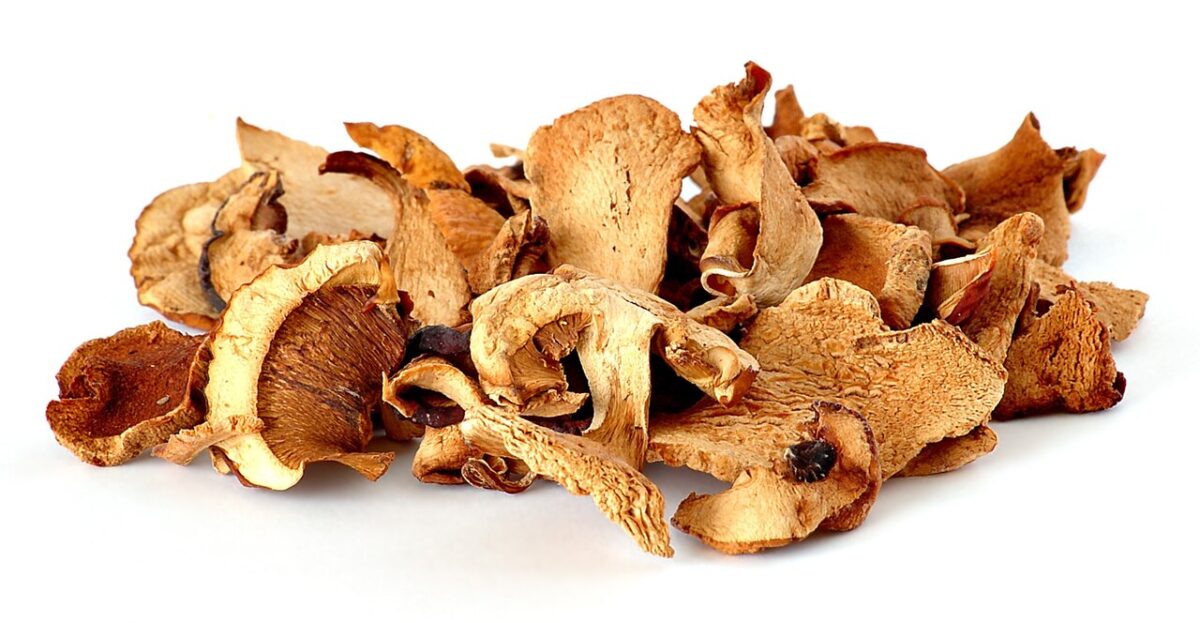
The New Jersey incident comes amid wider attention surrounding mushroom-infused products across the United States.
While some companies market mushroom products as wellness items, regulators have warned that certain mushroom-derived substances can create serious health risks. Products containing compounds associated with psychedelic or intoxicating effects have become increasingly visible in online marketplaces and specialty stores.
The U.S. Food and Drug Administration has previously warned consumers about products containing Amanita muscaria, a mushroom that can cause dangerous reactions. Reported effects may include hallucinations, confusion, seizures, and other serious symptoms.
The FDA has also taken action against some mushroom-infused edible products after reports of illnesses linked to undeclared ingredients and potentially harmful substances.
However, officials have not said whether the New Jersey candy involved any of those previously identified products.
The investigation will need to determine whether the candy contained psilocybin, another mushroom-derived compound, or a completely different substance.
Parents are left asking how this could happen.
For families involved, the incident is not only about the candy itself. It is about trust.
Parents send their children to summer camps expecting trained staff, safety rules, and careful supervision. They do not expect their children to encounter products containing substances capable of changing their perception and behavior.
The situation has prompted renewed conversations about what children bring into group settings and how quickly staff can identify potential dangers.
Many parents may now wonder whether camps need stricter rules around outside food, more detailed screening procedures or additional education about modern forms of edible substances.
Summer camps already enforce rules against drugs, alcohol and unsafe items. However, the challenge has become more complicated because some dangerous products can look almost identical to ordinary snacks.
A package that appears to contain chocolate or candy may require closer inspection in an environment filled with children.
The investigation could have wider consequences.
Although the children were reportedly stable, the incident could influence how camps, schools and youth programs handle unfamiliar food products brought by children.
Authorities will likely focus on prevention as much as accountability, while the investigation determines how the candy entered the camp and whether similar incidents can be prevented in the future.
The case also serves as a warning about the changing landscape of edible products. As more substances become available in candy-like forms, the line between ordinary snacks and potentially dangerous items becomes harder for children to recognize.
For now, families are waiting for answers.
The investigation continues as authorities work to determine exactly what the children consumed and who was responsible for bringing it into the camp. Until those questions are answered, the incident remains a troubling reminder that a simple piece of candy can carry serious risks when its contents are unknown.
A summer camp is supposed to be a place filled with laughter, friendships and memories. Instead, one New Jersey camp day ended with emergency calls, frightened families and a stark reminder about the risks children can face when something as simple as candy has unknown contents. As the investigation continues, the camp’s promise of safety has been shaken, and families are left waiting for accountability and clear answers.