5 Foods Americans Love in Their Hometowns, But Visitors Are Afraid to Try
America has some pretty unusual foods hiding in plain sight. Forget burgers and fries. In certain towns, locals happily dig into bull testicles, pork liver, and fish prepared with lye. These dishes might sound like something from a food challenge, but they’re deeply rooted in regional traditions. Here are five American favorites that can make out-of-town visitors think twice before taking a bite.
Rocky Mountain Oysters
Colorado
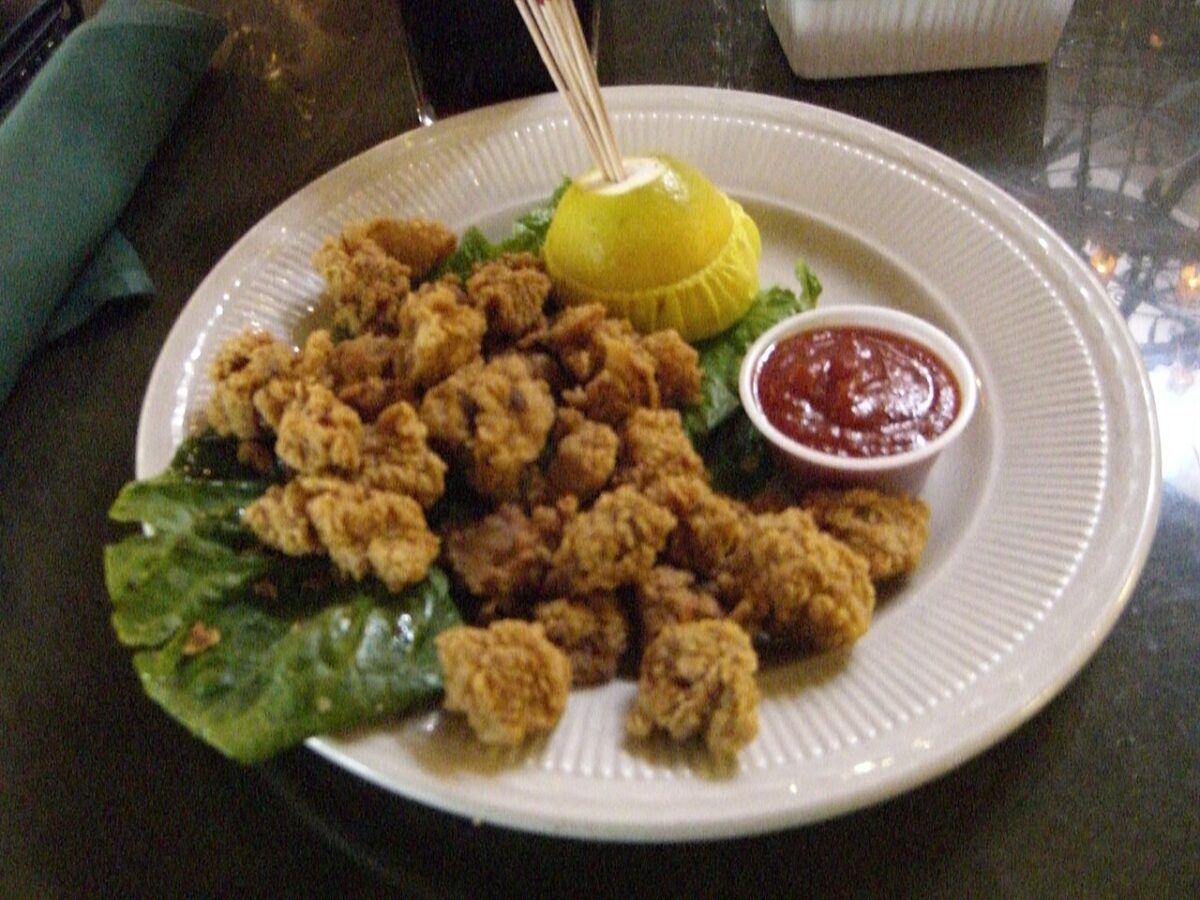
Here’s a surprise: Rocky Mountain oysters have absolutely nothing to do with seafood. They’re actually bull testicles, typically sliced, battered, and deep-fried until crispy.
According to Visit Denver, the dish dates back to the 1800s, when ranchers used nearly every part of their cattle. The tradition lives on today, and Denver even celebrates Rocky Mountain Oyster Day on October 5. Locals who enjoy them appreciate the crispy coating and savory flavor, but newcomers might struggle to get past the ingredients.
Scrapple
Pennsylvania
At first glance, scrapple looks like an ordinary breakfast meat. Then someone explains what’s inside.
This Pennsylvania Dutch specialty combines pork scraps, sometimes including organ meats, with cornmeal or buckwheat and seasonings. The mixture is formed into a loaf, sliced, and fried.
According to Smithsonian Magazine, scrapple has roots in the food traditions German immigrants brought to America during the 17th century. For longtime fans, it’s a comforting breakfast favorite. For first-timers, the word “scraps” might be enough to ruin their appetite.
Related Post: 10 American Foods That Make Visitors Scratch Their Heads- But Many Americans Still Love
Livermush
North Carolina
North Carolina residents take their livermush seriously. So seriously, in fact, that the state officially recognizes two livermush festivals.
This regional specialty combines pork liver, cornmeal, and seasonings into a firm loaf that people commonly slice and fry. The official North Carolina Liver Mush Festival says the traditional mixture contains at least 30% pig liver.
Shelby’s annual celebration dates back to 1985 and features food vendors, cooking competitions, and other festivities. Visitors may hesitate at the name, but plenty of locals consider it a hometown classic.
Lutefisk
Minnesota
Imagine sitting down for a traditional holiday dinner and discovering that the main attraction is fish treated with lye.
That’s lutefisk, a Scandinavian dish that remains part of Minnesota’s Norwegian-American heritage. The preparation gives the fish a famously soft, sometimes gelatinous texture.
In a CBS Minnesota report, the Olsen Fish Company said it supplied approximately 10,000 pounds of lutefisk weekly during its busy season. Some Minnesota families still gather for traditional lutefisk dinners, even though its unusual texture can be a tough sell to newcomers.
Boudin
Louisiana
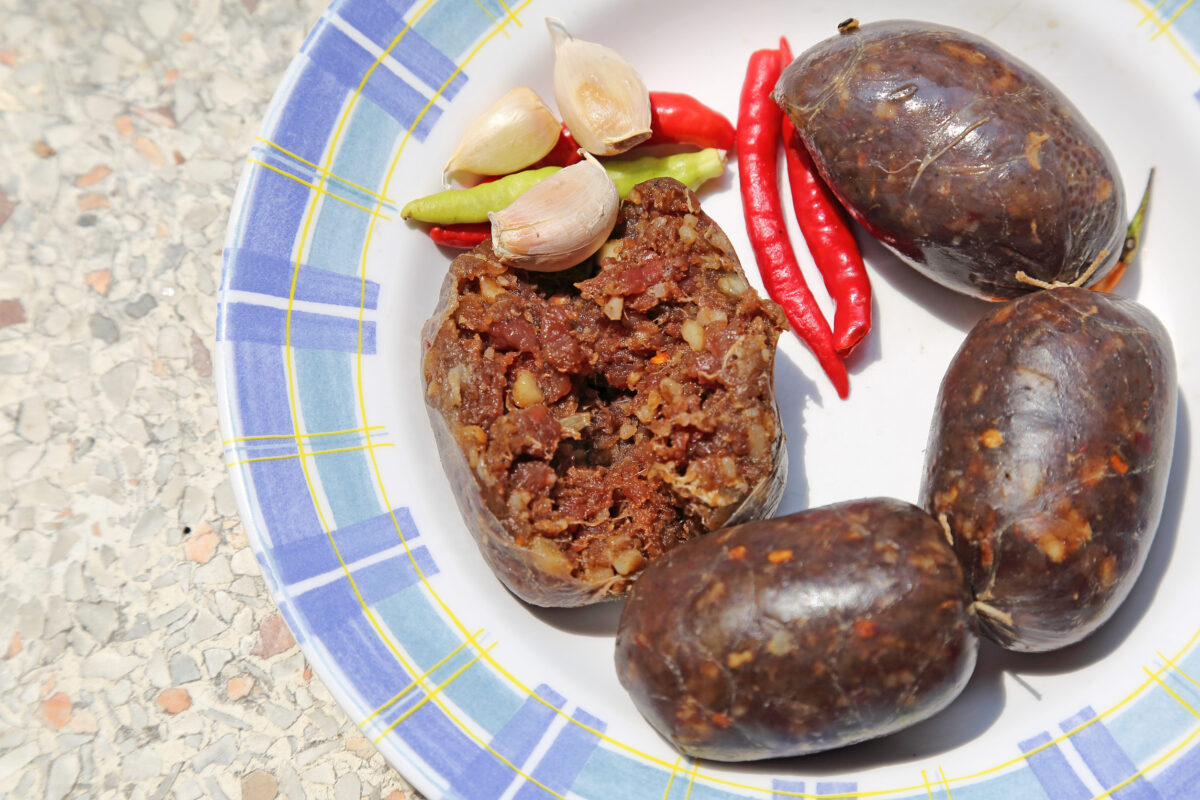
Louisiana’s boudin might look like an ordinary sausage, but one bite reveals something different. This Cajun favorite typically combines seasoned pork, rice, vegetables, and sometimes liver inside a sausage casing.
According to Smithsonian Magazine, boudin is so popular in southwestern Louisiana that it shows up everywhere, from roadside shops to family celebrations. Some locals squeeze the filling straight from the casing, a custom that can puzzle visitors expecting a regular sausage link.
For Cajun food lovers, however, boudin is a treasured part of Louisiana’s food culture.
America’s most memorable foods aren’t always the prettiest or easiest to explain. Sometimes, the dishes that make visitors hesitate are the very ones locals wouldn’t trade for anything.
Which of these five foods would you be brave enough to try?